Middle East Tourism Surges in 2025 as Saudi Arabia Becomes the Central Growth Engine
WTTC data shows the region outpacing global travel recovery, with Saudi Arabia driving nearly half of all tourism GDP growth through record spending, business travel expansion, and Vision 2030 investments.
SYSTEM-DRIVEN
The World Travel and Tourism Council (WTTC) has identified 2025 as a year of accelerated structural growth for Middle East tourism, driven primarily by Saudi Arabia’s rapid expansion of its travel economy under long-term diversification policies.
What is confirmed is that the Middle East’s travel and tourism sector grew by about 5.3 percent in 2025, outpacing the global average of roughly 4.1 percent.
This places the region among the fastest-growing tourism markets in the world, with rising international arrivals, higher visitor spending, and expanding business travel activity reinforcing its economic weight.
Saudi Arabia is the dominant force behind this performance.
The country accounts for roughly 46 percent of the Middle East’s total travel and tourism economy and recorded sector growth of about 7.4 percent in 2025, significantly above both regional and global averages.
This makes it the single largest contributor to tourism expansion across the region.
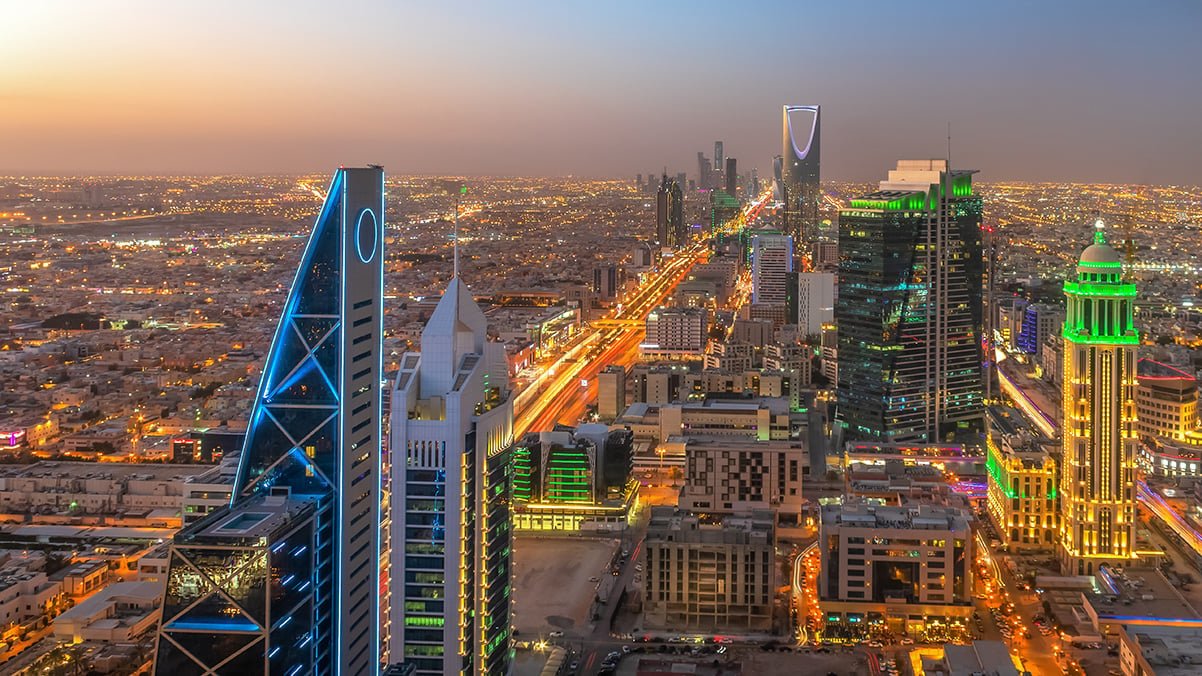
The scale of Saudi Arabia’s tourism economy is now substantial in macroeconomic terms.
Travel and tourism contributed approximately 178 billion dollars to national GDP in 2025 and is estimated to support millions of jobs.
The sector has become a central pillar of the country’s economic diversification strategy, reducing reliance on oil revenues while expanding services, infrastructure, and international connectivity.
Several demand drivers are reinforcing this growth.
International visitor spending in Saudi Arabia rose strongly in 2025, while business travel increased at an even faster rate, reflecting a broader shift toward the kingdom as a hub for conferences, investment forums, and large-scale events.
The expansion of airline capacity, hotel development, and new tourism destinations under the Vision 2030 framework has also increased supply, enabling higher visitor volumes.
Across the wider Middle East, similar but less pronounced trends are visible.
The United Arab Emirates continues to function as a global transit and leisure hub, while Oman and Jordan show steady growth tied to cultural tourism and regional travel flows.
However, none match the scale or pace of Saudi Arabia’s expansion, which now shapes regional averages.
The key issue is that this growth is not purely cyclical recovery from the pandemic period.
It reflects deliberate state-led investment strategies aimed at repositioning the region within global tourism flows.
This includes infrastructure spending on airports, hospitality zones, and mega-project destinations, alongside policy reforms intended to attract international visitors at scale.
At the same time, the system remains sensitive to external risks.
Geopolitical tensions in surrounding areas, global economic conditions, and energy price volatility all have the potential to influence travel demand, particularly for long-haul visitors.
However, current data indicates that these pressures have not materially disrupted the upward trajectory in 2025.
The result is a region whose tourism sector is increasingly defined by scale, state-backed investment, and rapid diversification.
Saudi Arabia’s outsized role means that its policy direction will continue to determine whether Middle East tourism maintains its current growth rate or shifts into a more moderate expansion phase in the coming years.
The World Travel and Tourism Council (WTTC) has identified 2025 as a year of accelerated structural growth for Middle East tourism, driven primarily by Saudi Arabia’s rapid expansion of its travel economy under long-term diversification policies.
What is confirmed is that the Middle East’s travel and tourism sector grew by about 5.3 percent in 2025, outpacing the global average of roughly 4.1 percent.
This places the region among the fastest-growing tourism markets in the world, with rising international arrivals, higher visitor spending, and expanding business travel activity reinforcing its economic weight.
Saudi Arabia is the dominant force behind this performance.
The country accounts for roughly 46 percent of the Middle East’s total travel and tourism economy and recorded sector growth of about 7.4 percent in 2025, significantly above both regional and global averages.
This makes it the single largest contributor to tourism expansion across the region.
The scale of Saudi Arabia’s tourism economy is now substantial in macroeconomic terms.
Travel and tourism contributed approximately 178 billion dollars to national GDP in 2025 and is estimated to support millions of jobs.
The sector has become a central pillar of the country’s economic diversification strategy, reducing reliance on oil revenues while expanding services, infrastructure, and international connectivity.
Several demand drivers are reinforcing this growth.
International visitor spending in Saudi Arabia rose strongly in 2025, while business travel increased at an even faster rate, reflecting a broader shift toward the kingdom as a hub for conferences, investment forums, and large-scale events.
The expansion of airline capacity, hotel development, and new tourism destinations under the Vision 2030 framework has also increased supply, enabling higher visitor volumes.
Across the wider Middle East, similar but less pronounced trends are visible.
The United Arab Emirates continues to function as a global transit and leisure hub, while Oman and Jordan show steady growth tied to cultural tourism and regional travel flows.
However, none match the scale or pace of Saudi Arabia’s expansion, which now shapes regional averages.
The key issue is that this growth is not purely cyclical recovery from the pandemic period.
It reflects deliberate state-led investment strategies aimed at repositioning the region within global tourism flows.
This includes infrastructure spending on airports, hospitality zones, and mega-project destinations, alongside policy reforms intended to attract international visitors at scale.
At the same time, the system remains sensitive to external risks.
Geopolitical tensions in surrounding areas, global economic conditions, and energy price volatility all have the potential to influence travel demand, particularly for long-haul visitors.
However, current data indicates that these pressures have not materially disrupted the upward trajectory in 2025.
The result is a region whose tourism sector is increasingly defined by scale, state-backed investment, and rapid diversification.
Saudi Arabia’s outsized role means that its policy direction will continue to determine whether Middle East tourism maintains its current growth rate or shifts into a more moderate expansion phase in the coming years.