KFSHRC and Servier Saudi Arabia Forge Strategic Partnership on Rare Diseases
New memorandum of understanding aims to advance research, diagnosis and patient care through collaboration and innovation
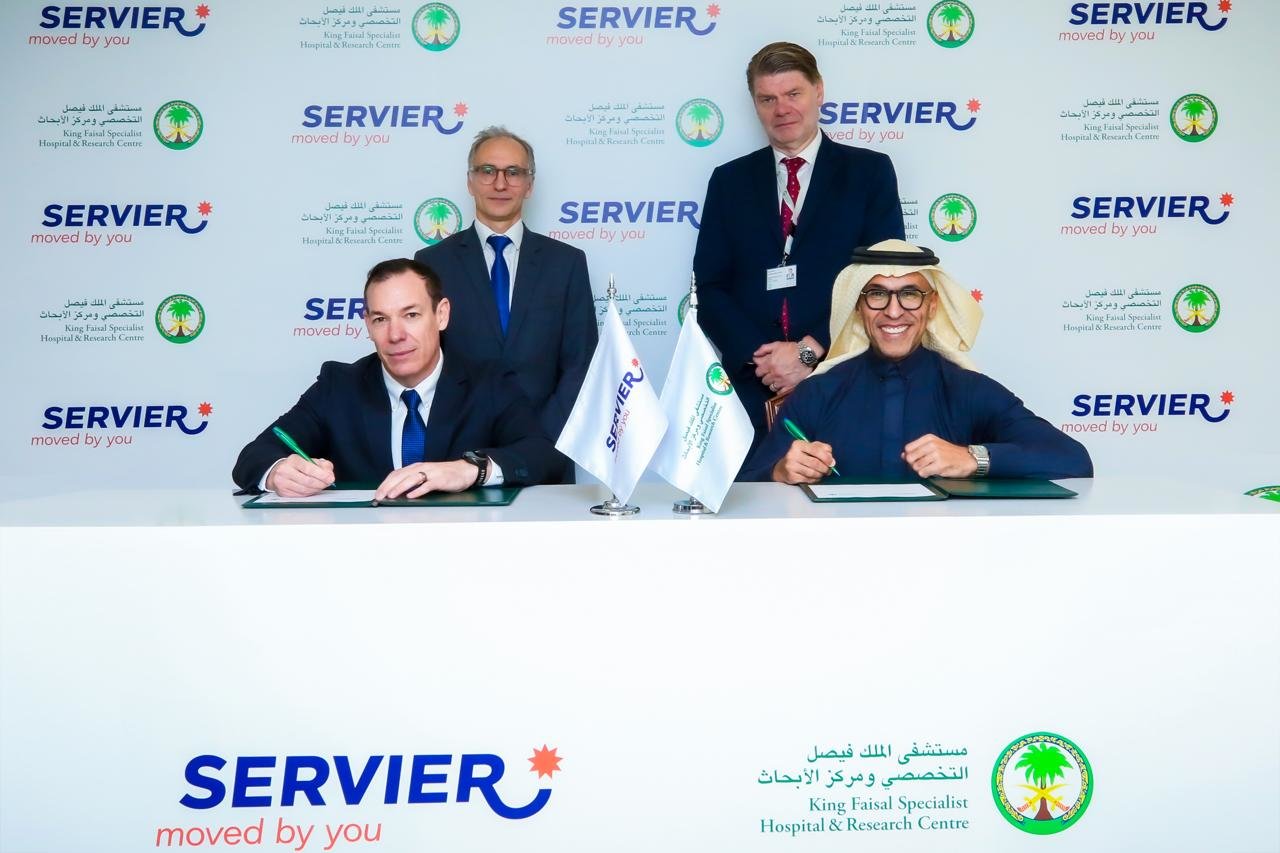
King Faisal Specialist Hospital and Research Centre has signed a memorandum of understanding with Servier Saudi Arabia to strengthen cooperation in the field of rare diseases, marking a significant step in expanding research, clinical expertise and patient-focused innovation in the Kingdom.
The agreement reflects a shared commitment to improving outcomes for patients affected by complex and often under-diagnosed conditions.
Under the terms of the memorandum, the two parties will collaborate on scientific research, knowledge exchange and the development of advanced diagnostic and treatment approaches for rare diseases.
The partnership is designed to support early detection, enhance clinical pathways and promote the use of cutting-edge medical technologies and data-driven insights within Saudi Arabia’s healthcare system.
Officials involved in the signing said the agreement aligns with the Kingdom’s broader health transformation agenda, which emphasises research excellence, international collaboration and the delivery of world-class specialised care.
KFSHRC, recognised for its leadership in complex and specialised medicine, will contribute its clinical and research capabilities, while Servier Saudi Arabia will support innovation, education and the translation of scientific advances into practical therapies.
The collaboration is also expected to facilitate training and professional development opportunities for healthcare practitioners, helping to build local expertise in rare disease management.
Both organisations highlighted the importance of partnerships between leading medical institutions and global pharmaceutical innovators in addressing unmet medical needs.
The memorandum underscores Saudi Arabia’s growing role as a regional hub for advanced healthcare research and its commitment to improving quality of life for patients with rare diseases through sustained investment, collaboration and innovation.
The agreement reflects a shared commitment to improving outcomes for patients affected by complex and often under-diagnosed conditions.
Under the terms of the memorandum, the two parties will collaborate on scientific research, knowledge exchange and the development of advanced diagnostic and treatment approaches for rare diseases.
The partnership is designed to support early detection, enhance clinical pathways and promote the use of cutting-edge medical technologies and data-driven insights within Saudi Arabia’s healthcare system.
Officials involved in the signing said the agreement aligns with the Kingdom’s broader health transformation agenda, which emphasises research excellence, international collaboration and the delivery of world-class specialised care.
KFSHRC, recognised for its leadership in complex and specialised medicine, will contribute its clinical and research capabilities, while Servier Saudi Arabia will support innovation, education and the translation of scientific advances into practical therapies.
The collaboration is also expected to facilitate training and professional development opportunities for healthcare practitioners, helping to build local expertise in rare disease management.
Both organisations highlighted the importance of partnerships between leading medical institutions and global pharmaceutical innovators in addressing unmet medical needs.
The memorandum underscores Saudi Arabia’s growing role as a regional hub for advanced healthcare research and its commitment to improving quality of life for patients with rare diseases through sustained investment, collaboration and innovation.