

Hypochondriacs: Why it's not always just in the mind
Around a year ago, while having my morning shower, I felt a small, round lump under my armpit. It felt hard, like muscle, but shifted position when I pressed down – a bit like cold butter under turkey skin.
I couldn’t help but google the appearance of lumps – and, thanks to its location, became fixated on the idea that I might have the first stages of leukaemia. It was then that I started having other symptoms: I found that my whole body was aching and tired, and I started to inexplicably lose weight.
My GP recommended that I get an ultrasound scan, and by the time I found out the results, I was certain that I was about to hear the worst news. So you can imagine my relief when the technician told me that it was merely a lipoma – a benign tumour, made of fat cells, that posed no serious threat to my health. Almost as soon as I found out, all those aches and pains vanished, and I soon started returning to my previous weight.
The episode was my first – and so far, my only – experience of illness (or health) anxiety. According to the latest research, at least 6% of people will experience the condition during their lifetime.
Although we don't yet have updated statistics, that number may have increased rapidly over the pandemic. With a continuous news cycle emphasising the symptoms and dangers of the virus, it is natural to feel a certain level of preoccupation about a possible infection. But for some people the fear of the virus will have been all-consuming, peaking as they await the results of a lateral flow or PCR test.
The pandemic could have also exacerbated anxieties about other conditions. "I suspect that health anxiety has increased quite considerably during the pandemic, not least because people have had more time to ruminate and reflect on their symptoms," says Peter Tyrer, a professor in community psychiatry at Imperial College London.
It may be no coincidence that my own episode occurred during a lockdown, when I was unable to visit friends who might have distracted me, and when I knew that I'd have restricted access to medical treatment, if it were needed.
The last two years has shown there has never been a greater need for awareness about illness anxiety and its management.
Hypochondriasis
Our understanding of illness anxiety marks a vast departure from the historical view of the condition, which was once known as "hypochondriasis".
The people suffering from this disorder were called hypochondriacs, and they were often belittled and ridiculed as time wasters. Many commentators argued that the "worried well" simply wanted to add a little drama to their lives. "It was regarded as a bit of joke," Tyrer says. "The assumption was that these people just loved talking about their complaints."
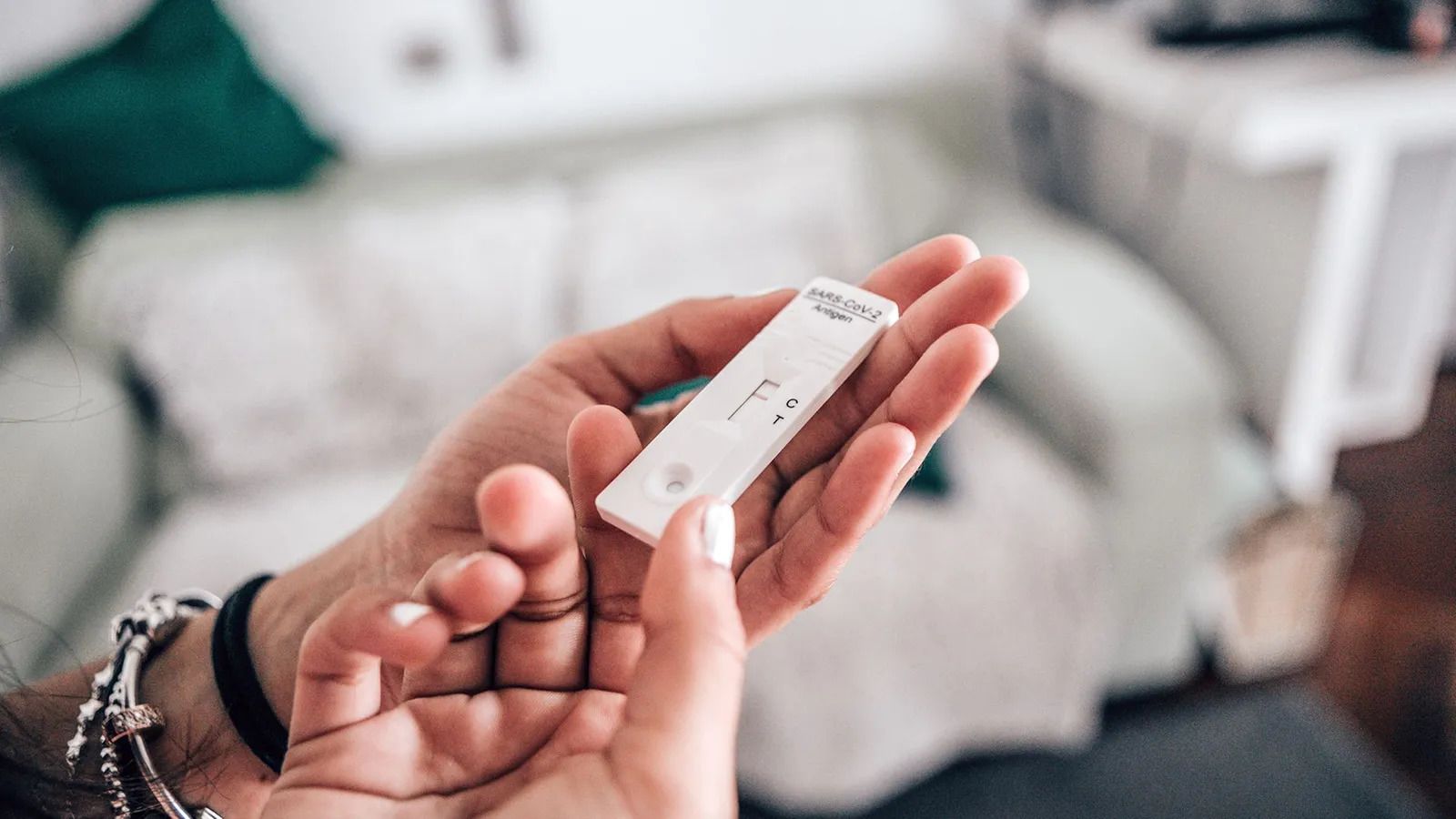 People's fear of catching Covid may be at its most acute when they are waiting for the results of a test
It was only in 2013 that the American Psychiatric Association formally adopted the term "illness anxiety disorder" to describe people with disproportionate and debilitating concerns about their health. (In the medical literature "health anxiety" is often used as an alternative name.) Although hard data is lacking, the wider availability of information online may have increased the prevalence of illness anxiety in the past three decades, compared to the pre-Internet era.
Contrary to the idea that "hypochondriacs" are simply looking for attention, the origins of someone's illness anxiety are often highly specific. "There's often a trigger," says Helen Tyrer, a senior clinical research fellow at Imperial College London and author of the book Tackling Health Anxiety. (Helen and Peter Tyrer are a married couple who both research illness anxiety.) "It could be that somebody in the family has been ill. Or that they've heard about somebody their own age dying from a disease." In other cases, patients may develop excessive and continued worries about a previous illness such as cancer or heart attack returning, or a current condition – such as diabetes – worsening.
The condition is characterised by an obsessive checking of symptoms. Many of those afflicted spend hours each day researching potential illnesses online. "Every minute of the day, they’re checking whether they've got this disease or not," Helen Tyrer says. "It really is on a completely different scale to most people’s worries about their health."
The continual worry results in many more visits to doctors’ surgeries and hospitals
"The repetitive thoughts are persistent and create a lot of distress," agrees Sophie Lebel, a clinical psychologist at the University of Ottawa, Canada, who specialises in the ways that people cope with cancer diagnoses.
As you may expect, the continual worry results in many more visits to doctors' surgeries and hospitals. One study of Danish patients found that people with severe illness anxiety used between 41% and 78% more health care, over a five-year period, than those with low illness anxiety.
Clearly, this comes at a financial cost, and the repeated medical visits may not bring much benefit to the patient, as they become convinced that the analysis was flawed. "The patient might think that it was too early to show up on a test, or that the results were muddled in the lab," says Helen Tyrer.
Similarly, if you are suffering from high anxiety of Covid-19, a negative LFT or PCR result may not be enough to convince you that you are not infected. (Of course, this is justified to an extent – though positive LFT results are 99.97% accurate, the false negative rate is 28% on average for symptomatic individuals.)
The nocebo effect
In many situations, anxieties about our health can create the appearance of symptoms – a self-fulfilling prophecy that might seem to confirm our fears.
This phenomenon is evident in cases of "white coat syndrome" – in which the stress of visiting a doctor can raise people’s blood pressure, so that it appears they are experiencing hypertension. For this reason, some medical providers may provide you with a blood pressure monitor to take measurements at home when you are relaxed.
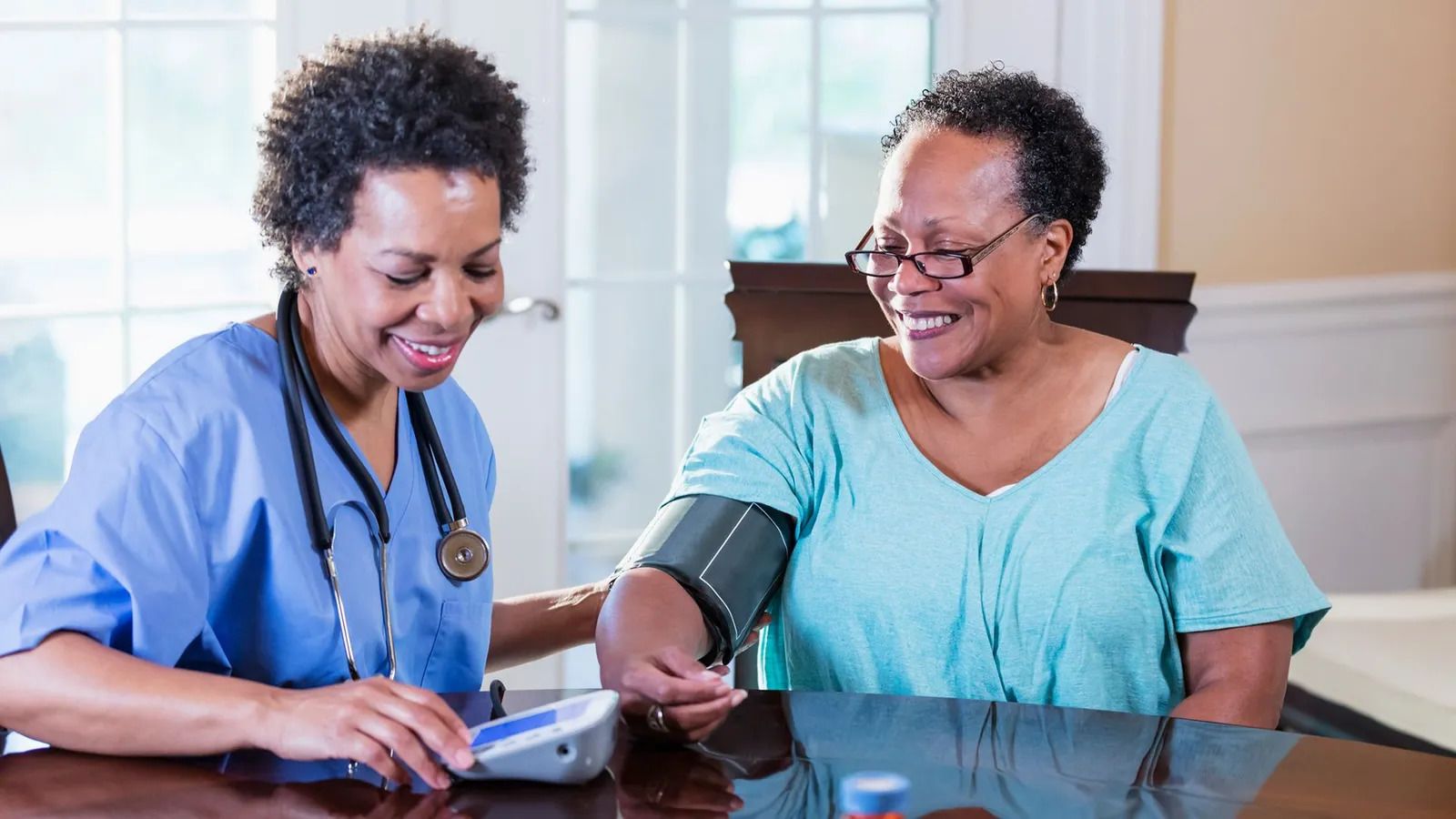 Simply going to a doctor's surgery to get your blood pressure tested can make it higher than it would be normally
But there are many other ways our fears can create the appearance of illness. Our expectations can shape our attention and sensory processing, for example. If you suspect you may have been infected by Covid-19, for example, you may be extra conscious of a tickle in your throat, an ache in your chest or a feeling of breathlessness – and the more you think about it, the worse it will seem. This may be especially likely if someone close to you has had the disease, so you know exactly what symptoms to expect – and a negative LFT or PCR test may not be enough to assuage your fears.
Our expectations can even bring about physiological change, such as the release of vasodilating molecules that cause headaches. Scientists call these reactions "nocebo effects" (a direct contrast to the beneficial "placebo effects"). And the discomfort can be just as unpleasant as a symptom with a purely biological cause. This will only increase the anxiety – setting about a vicious cycle.
People with severe illness anxiety may feel so paralysed by their stress, that they struggle to take positive action
If left untreated, chronic illness anxiety can take its toll on the body. Peter Tyrer points to one 12-year study of 7,000 participants in Norway. After accounting for other potential risk factors, the researchers found that high levels of illness anxiety increased the risk of coronary heart disease by 70%.
This is particularly problematic for people who have existing heart disease, Tyrer says – with some evidence that illness anxiety has an effect on overall mortality rate. "If you worry excessively after you have had a cardiac event, you may die earlier than if you don't worry about it," Peter Tyrer says.
You might at least hope that excessive health concerns would encourage someone to take better care of their body such as exercising or eating well. Yet Lebel says that people with severe illness anxiety may feel so paralysed by their stress, that they struggle to take positive action.
Gaining perspective
As interest in illness anxiety has risen, so has the research into potential interventions. One of the most well-tested interventions is an adapted form of cognitive behavioural therapy (CBT), which helps to break negative thought cycles.
According to Peter and Helen Tyrer, one of the biggest challenges is to get the patient to recognise that their anxiety is a problem, rather than a rational appraisal of the perceived risk. During each session, the therapist then works with the patient to identify the triggers of their concerns and to question the thoughts that automatically come to mind, so that they can see their situation a bit more objectively and put the risks in perspective. This might involve taking a more analytical look at the presumed symptoms and the times that they appear.
 Some commentators have argued the “worried well” simply want to add drama to their lives, but illness anxiety can be serious
The therapist will also encourage the patient to break the habit of relentlessly testing themselves for the symptoms. If the fear is cancer, they might ask the patient to go a whole day or week without looking for lumps, for example – and to then note whether their recurrent thoughts of the illness had dropped as a result. The patient will also learn strategies like mindfulness and relaxation techniques to cope proactively with the fears when they do come to mind.
Clearly, these steps will need to be tailored to the patients' particular situation. Someone who has heightened anxiety of a relapse from a previous illness will need to check on their health, for example, but they can be taught what signs are significant and what can be ignored – rather than panicking over every potential change. "Many people just don't know what symptoms to look for," says Lebel.
It's important to emphasise that untreated health anxiety is not only bad for your mental health but your physical health too – Peter Tyrer
The evidence to date suggests that cognitive behavioural therapy can be effective. In one study of 444 subjects, the Tyrers found tailored CBT significantly reduced patients' illness anxiety over the course of three months. Importantly, the benefits could still be seen five years later.
It's worth noting that the programme only involved six sessions with a therapist – making it very cost-effective. "We're not talking about a tonne of time," says Lebel.
The sessions can even be completed online, with one recent trial from a team at the University of New South Wales revealing significant improvements in patients' illness anxiety during the early stages of the Covid-19 pandemic. "In general, face-to-face contact is slightly better," Peter Tyrer concedes. "Because you can pick up the more subtle changes – but by and large internet treatment is pretty good."
 One of the biggest challenges is to get the patient to recognise that their anxiety is a problem; therapy may help
Ultimately, the researchers contacted would like to see much greater awareness of illness anxiety, and the ways to treat it. Peter Tyrer sees some signs of positive change, but he would like more people to understand the long-term consequences of such behaviour. "It's important to emphasise that untreated health anxiety is not only bad for your mental health but your physical health too," he says. "The evidence is increasing that it’s going to shorten their lifespan."
We may have come a long way from dismissing the "hypochondriac" as a sad malingerer – but many are still facing their anxieties alone without receiving the help they really need.