War Pressure Exposes Strains in Saudi Arabia’s Economic Diversification Drive
Rising regional conflict is forcing fiscal tightening, project delays, and a rethink of Saudi Arabia’s Vision 2030 strategy even as oil revenues temporarily strengthen
Saudi Arabia’s long-running effort to diversify its economy away from oil is facing renewed strain as regional conflict reshapes fiscal priorities, disrupts overseas investment plans, and raises questions about the pace and durability of its transformation agenda.
The central driver is system-level: the interaction between Saudi Arabia’s state-led economic diversification model and external geopolitical shocks tied to regional war dynamics.
The country’s Vision 2030 strategy depends heavily on sustained public investment, sovereign wealth fund deployment, and large-scale consultancy-driven project planning to build non-oil sectors such as tourism, manufacturing, logistics, entertainment, and technology.
Recent developments indicate that this model is under pressure.
Government entities have moved to pause or slow payments to external advisers, including strategy consultants and legal firms that have played a central role in designing and implementing diversification projects.
This reflects a broader tightening of fiscal execution at a time when spending commitments remain structurally high.
At the same time, some of the most visible flagship initiatives have been disrupted or reprioritized.
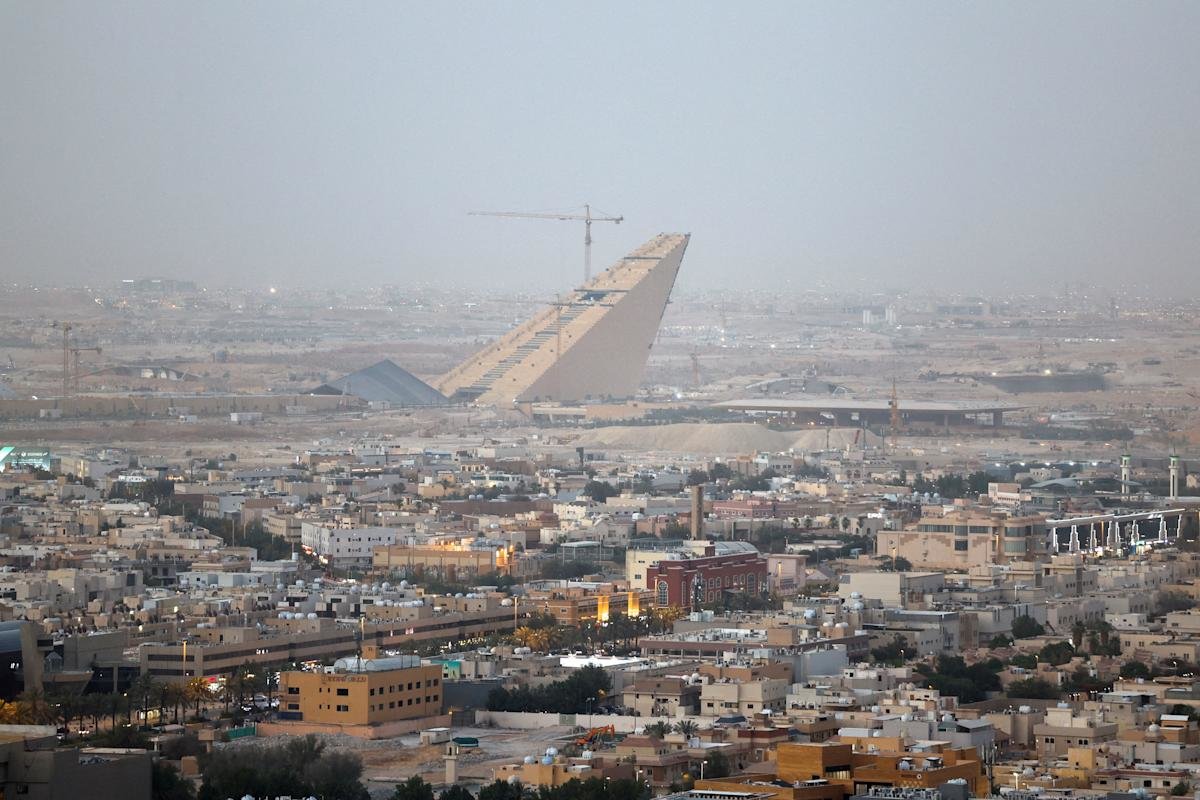
Certain international-facing entertainment and sports investments have been scaled back or relocated, while parts of the kingdom’s mega-project portfolio are undergoing cost reviews and sequencing adjustments.
These changes do not signal abandonment of the broader strategy, but they do indicate a shift from rapid expansion toward controlled implementation.
The fiscal backdrop is mixed rather than uniformly negative.
Higher global oil prices linked to regional instability have supported Saudi export revenues, temporarily improving cash inflows.
However, this windfall coincides with rising defense expenditure, infrastructure security spending, and increased budget rigidity, which together reduce the flexibility available for discretionary diversification programs.
Institutionally, the Public Investment Fund has been adjusting its approach as well, increasing its focus on domestic investment and reducing the relative weight of international allocations.
This reflects a broader recalibration: prioritizing internal economic development and liquidity management over aggressive global expansion.
The key implication is not a reversal of Saudi Arabia’s diversification strategy, but a slowdown and reprioritization under constraint.
The model remains intact in design, but its execution speed is now more sensitive to oil cycles, regional security risks, and fiscal pressure.
In practice, this means fewer simultaneous mega-projects, tighter control over external spending, and greater emphasis on projects with near-term economic returns.
For the broader diversification effort, the stakes are significant.
The success of Vision 2030 depends not only on capital availability, but also on consistent execution, investor confidence, and the uninterrupted functioning of advisory and contracting ecosystems.
Prolonged disruption in any of these areas increases the risk that timelines will extend and costs will rise.
The current phase therefore represents a stress test of Saudi Arabia’s transformation model under external shock conditions.
The outcome will shape whether diversification proceeds as a rapid structural break from oil dependence or as a slower, more incremental transition shaped by recurring geopolitical and fiscal cycles.
The central driver is system-level: the interaction between Saudi Arabia’s state-led economic diversification model and external geopolitical shocks tied to regional war dynamics.
The country’s Vision 2030 strategy depends heavily on sustained public investment, sovereign wealth fund deployment, and large-scale consultancy-driven project planning to build non-oil sectors such as tourism, manufacturing, logistics, entertainment, and technology.
Recent developments indicate that this model is under pressure.
Government entities have moved to pause or slow payments to external advisers, including strategy consultants and legal firms that have played a central role in designing and implementing diversification projects.
This reflects a broader tightening of fiscal execution at a time when spending commitments remain structurally high.
At the same time, some of the most visible flagship initiatives have been disrupted or reprioritized.
Certain international-facing entertainment and sports investments have been scaled back or relocated, while parts of the kingdom’s mega-project portfolio are undergoing cost reviews and sequencing adjustments.
These changes do not signal abandonment of the broader strategy, but they do indicate a shift from rapid expansion toward controlled implementation.
The fiscal backdrop is mixed rather than uniformly negative.
Higher global oil prices linked to regional instability have supported Saudi export revenues, temporarily improving cash inflows.
However, this windfall coincides with rising defense expenditure, infrastructure security spending, and increased budget rigidity, which together reduce the flexibility available for discretionary diversification programs.
Institutionally, the Public Investment Fund has been adjusting its approach as well, increasing its focus on domestic investment and reducing the relative weight of international allocations.
This reflects a broader recalibration: prioritizing internal economic development and liquidity management over aggressive global expansion.
The key implication is not a reversal of Saudi Arabia’s diversification strategy, but a slowdown and reprioritization under constraint.
The model remains intact in design, but its execution speed is now more sensitive to oil cycles, regional security risks, and fiscal pressure.
In practice, this means fewer simultaneous mega-projects, tighter control over external spending, and greater emphasis on projects with near-term economic returns.
For the broader diversification effort, the stakes are significant.
The success of Vision 2030 depends not only on capital availability, but also on consistent execution, investor confidence, and the uninterrupted functioning of advisory and contracting ecosystems.
Prolonged disruption in any of these areas increases the risk that timelines will extend and costs will rise.
The current phase therefore represents a stress test of Saudi Arabia’s transformation model under external shock conditions.
The outcome will shape whether diversification proceeds as a rapid structural break from oil dependence or as a slower, more incremental transition shaped by recurring geopolitical and fiscal cycles.