Historic Jeddah: A Cultural Revival
Saudi Ministry of Culture's Restoration Efforts
In 2024, the Kingdom of Saudi Arabia witnessed significant strides in the preservation and revitalization of its historic city, Jeddah.
The Saudi Ministry of Culture spearheaded these efforts under the guidance of Crown Prince Mohammed bin Salman as part of the national strategy to preserve the country's heritage and enhance its cultural landscape aligned with Saudi Vision 2030.
The restoration project, launched in 2021, has made substantial progress throughout the year.
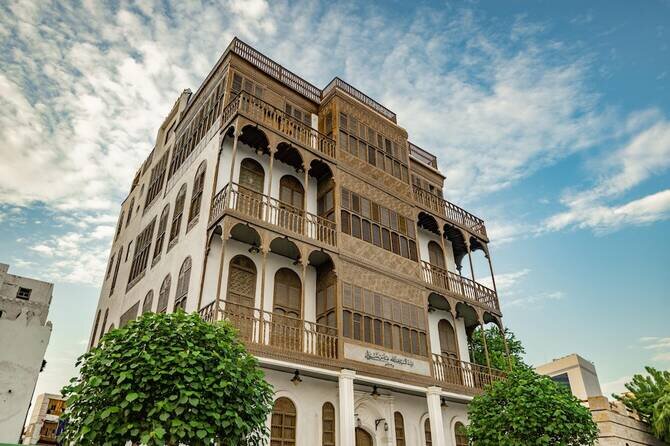
To date, 27 historic buildings have been restored, an additional 10 structures have undergone rehabilitation efforts, and support was provided for the stabilization of 39 other significant architectural elements within the district.
These activities have played a crucial role in preserving Jeddah's unique architectural heritage.
In line with broader initiatives to adaptively reuse historical sites, three boutique hotels opened their doors, each offering luxury experiences enriched by authenticity.
This marks the beginning of a larger-scale project aiming to convert 34 heritage buildings into modern accommodations that fuse cultural history with contemporary hospitality standards.
Archaeological discoveries further illuminated Jeddah's rich historical tapestry.
The excavation at the Othman bin Affan Mosque uncovered Ceylonese wooden fragments on mihrab pillars dating back to the 1st century AH (7th century CE), while a pottery shard from the 13th century confirmed the city's longstanding role as a significant maritime and commercial nexus connecting the Islamic world with the Far East.
Urban regeneration advancements include the completion of Phase I of the Al-Arbaeen Lagoon waterfront project, which involved reconnecting the historic Al-Bunt Port to the sea by removing obstructive infrastructure.
Additionally, 90,000 sq.
meters of green space were developed, enhancing both the environmental and aesthetic qualities within the district.
This endeavor covered an area serviced by over 110 pieces of equipment spanning six square kilometers.
Cultural engagement in Historic Jeddah is experiencing a renaissance.
The Red Sea International Film Festival took place at Culture Square for the first time this year, attracting a diverse audience both locally and internationally.
Moreover, the inauguration of the teamLab Borderless Jeddah museum, encompassing 10,000 sq.
meters, introduced immersive experiences that bridge traditional heritage with contemporary art forms.
A commitment to skills development is evident in the establishment of the Royal Institute for Traditional Arts, aimed at promoting local craftsmanship and empowering Saudi youth to contribute actively in cultural restoration projects.
To integrate leisure with historical exploration, the ministry launched Irth, a concept store and café offering modern hospitality alongside unique cultural experiences.
To ensure long-term sustainability, six strategic agreements were signed by the ministry, facilitating investment growth and enhancing cultural infrastructure.
A comprehensive digital tourism platform was also introduced to provide detailed access to landmarks, events, and services for visitors.
In educational initiatives, more than 140 trips were organized in 2024, engaging over 2,100 students in cultural immersion activities.
The distribution of 500,000 copies of the official visitor map contributed to a record-breaking number of 5.7 million visitors to Historic Jeddah last year, including 2.5 million during Ramadan.
Looking forward, the Ministry of Culture remains dedicated to restoration efforts, infrastructure enhancement, and improving livability in Historic Jeddah.
These initiatives are aimed at establishing the district as a global destination for cultural tourism and creative industries, embodying the aspirations set forth by Saudi Vision 2030 and honoring the Kingdom's enduring cultural legacy.
The Saudi Ministry of Culture spearheaded these efforts under the guidance of Crown Prince Mohammed bin Salman as part of the national strategy to preserve the country's heritage and enhance its cultural landscape aligned with Saudi Vision 2030.
The restoration project, launched in 2021, has made substantial progress throughout the year.
To date, 27 historic buildings have been restored, an additional 10 structures have undergone rehabilitation efforts, and support was provided for the stabilization of 39 other significant architectural elements within the district.
These activities have played a crucial role in preserving Jeddah's unique architectural heritage.
In line with broader initiatives to adaptively reuse historical sites, three boutique hotels opened their doors, each offering luxury experiences enriched by authenticity.
This marks the beginning of a larger-scale project aiming to convert 34 heritage buildings into modern accommodations that fuse cultural history with contemporary hospitality standards.
Archaeological discoveries further illuminated Jeddah's rich historical tapestry.
The excavation at the Othman bin Affan Mosque uncovered Ceylonese wooden fragments on mihrab pillars dating back to the 1st century AH (7th century CE), while a pottery shard from the 13th century confirmed the city's longstanding role as a significant maritime and commercial nexus connecting the Islamic world with the Far East.
Urban regeneration advancements include the completion of Phase I of the Al-Arbaeen Lagoon waterfront project, which involved reconnecting the historic Al-Bunt Port to the sea by removing obstructive infrastructure.
Additionally, 90,000 sq.
meters of green space were developed, enhancing both the environmental and aesthetic qualities within the district.
This endeavor covered an area serviced by over 110 pieces of equipment spanning six square kilometers.
Cultural engagement in Historic Jeddah is experiencing a renaissance.
The Red Sea International Film Festival took place at Culture Square for the first time this year, attracting a diverse audience both locally and internationally.
Moreover, the inauguration of the teamLab Borderless Jeddah museum, encompassing 10,000 sq.
meters, introduced immersive experiences that bridge traditional heritage with contemporary art forms.
A commitment to skills development is evident in the establishment of the Royal Institute for Traditional Arts, aimed at promoting local craftsmanship and empowering Saudi youth to contribute actively in cultural restoration projects.
To integrate leisure with historical exploration, the ministry launched Irth, a concept store and café offering modern hospitality alongside unique cultural experiences.
To ensure long-term sustainability, six strategic agreements were signed by the ministry, facilitating investment growth and enhancing cultural infrastructure.
A comprehensive digital tourism platform was also introduced to provide detailed access to landmarks, events, and services for visitors.
In educational initiatives, more than 140 trips were organized in 2024, engaging over 2,100 students in cultural immersion activities.
The distribution of 500,000 copies of the official visitor map contributed to a record-breaking number of 5.7 million visitors to Historic Jeddah last year, including 2.5 million during Ramadan.
Looking forward, the Ministry of Culture remains dedicated to restoration efforts, infrastructure enhancement, and improving livability in Historic Jeddah.
These initiatives are aimed at establishing the district as a global destination for cultural tourism and creative industries, embodying the aspirations set forth by Saudi Vision 2030 and honoring the Kingdom's enduring cultural legacy.