Gulf oil exporters expand India-bound crude flows through Hormuz bypass routes
Saudi Arabia and the UAE are routing more crude via overland pipelines and Red Sea ports to maintain and expand supply to India amid continued disruption in the Strait of Hormuz.
SYSTEM-DRIVEN: the story is fundamentally about energy infrastructure and the strategic reconfiguration of global oil logistics around the Strait of Hormuz, one of the world’s most critical shipping chokepoints.
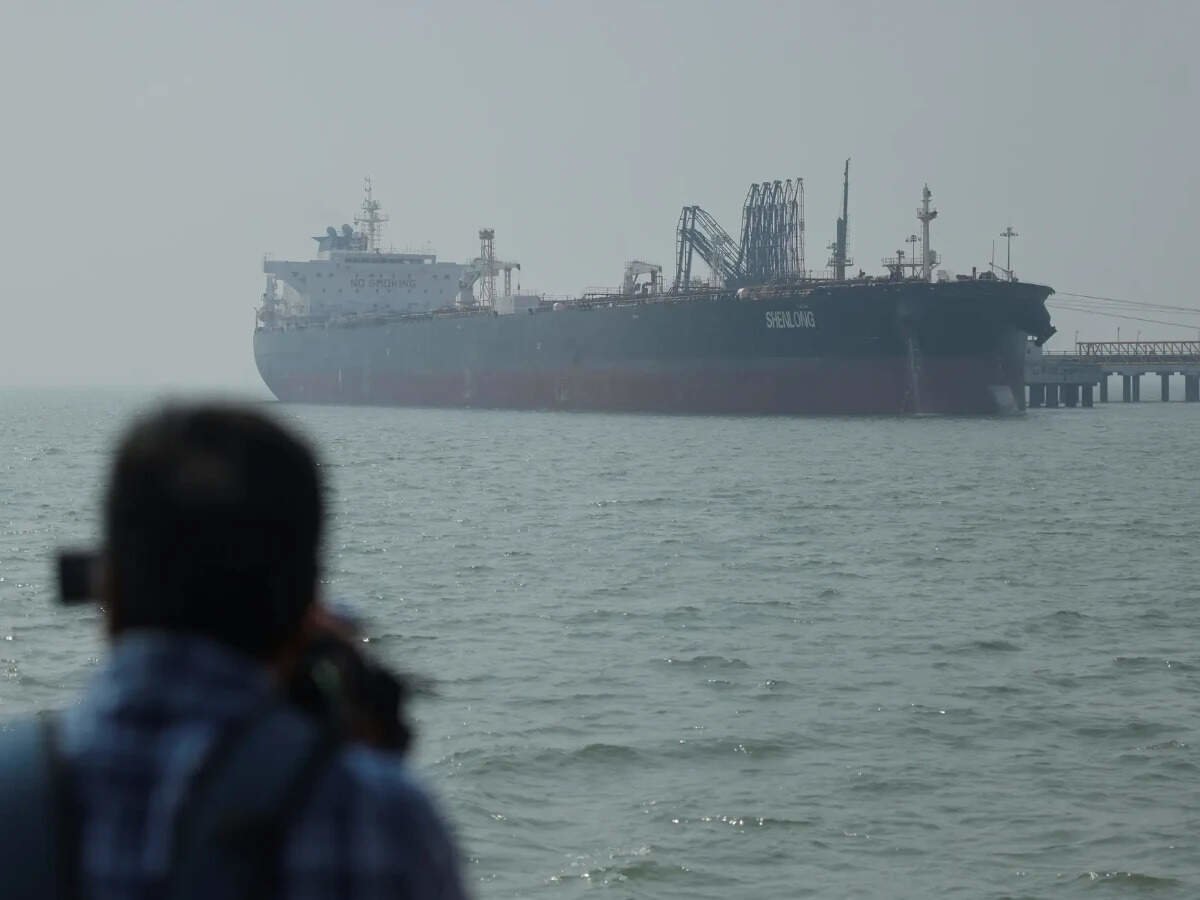
Saudi Arabia and the United Arab Emirates are actively rerouting crude oil exports to India using pipeline-based alternatives that bypass the Strait of Hormuz, as regional instability continues to disrupt traditional maritime flows through the Gulf.
The shift is part of a broader structural adjustment in global energy logistics, where physical infrastructure is being used to offset the loss or restriction of a key maritime artery.
The Strait of Hormuz normally handles a significant share of global seaborne oil trade, linking Gulf producers to Asia.
Disruptions to this route have forced producers to rely more heavily on land-based pipelines that move crude from eastern oil fields to export terminals outside the Gulf.
In Saudi Arabia’s case, crude is transported across the country to Red Sea ports, primarily Yanbu, using its East-West pipeline system, which has been operating near full capacity in recent weeks at roughly seven million barrels per day.
From there, shipments can proceed through the Red Sea and onward toward Indian refining hubs.
The United Arab Emirates has a parallel system that moves crude from Abu Dhabi to the port of Fujairah on the Gulf of Oman, bypassing the Strait entirely.
This route has also been used more intensively to stabilize export flows and maintain deliveries to Asian customers, including India.
Combined, these systems do not replace the full volume normally transiting Hormuz, but they provide partial redundancy that prevents a complete supply breakdown.
Recent reporting indicates that these rerouting efforts have been accompanied by a sustained push to maintain or increase shipments to India, one of the world’s largest and fastest-growing oil importers.
The adjustment is not merely logistical but strategic: Gulf producers are prioritizing market continuity in Asia while also reducing exposure to a narrow maritime chokepoint that is vulnerable to geopolitical escalation and security threats.
What is confirmed is that both Saudi Arabia and the UAE already possess operational pipeline networks designed specifically to bypass the Strait of Hormuz, and these systems are now being used at high utilization levels.
What is also clear is that India remains a key destination market, and crude flows are being actively structured to preserve supply despite regional instability.
The key constraint is capacity.
Even at elevated throughput, existing pipelines can only divert a fraction of the total oil volumes that normally pass through Hormuz.
This means the system is not a full replacement but a partial buffer that reduces—but does not eliminate—exposure to disruption.
As a result, global oil markets remain sensitive to any further escalation in the Gulf, even as alternative export routes temporarily stabilize physical supply to Asia.
The net effect is a gradual reconfiguration of Gulf oil logistics: not a departure from the Strait of Hormuz system, but a growing reliance on parallel infrastructure that allows major producers to maintain export continuity under pressure while reshaping long-term trade routes toward more diversified and resilient corridors.
Saudi Arabia and the United Arab Emirates are actively rerouting crude oil exports to India using pipeline-based alternatives that bypass the Strait of Hormuz, as regional instability continues to disrupt traditional maritime flows through the Gulf.
The shift is part of a broader structural adjustment in global energy logistics, where physical infrastructure is being used to offset the loss or restriction of a key maritime artery.
The Strait of Hormuz normally handles a significant share of global seaborne oil trade, linking Gulf producers to Asia.
Disruptions to this route have forced producers to rely more heavily on land-based pipelines that move crude from eastern oil fields to export terminals outside the Gulf.
In Saudi Arabia’s case, crude is transported across the country to Red Sea ports, primarily Yanbu, using its East-West pipeline system, which has been operating near full capacity in recent weeks at roughly seven million barrels per day.
From there, shipments can proceed through the Red Sea and onward toward Indian refining hubs.
The United Arab Emirates has a parallel system that moves crude from Abu Dhabi to the port of Fujairah on the Gulf of Oman, bypassing the Strait entirely.
This route has also been used more intensively to stabilize export flows and maintain deliveries to Asian customers, including India.
Combined, these systems do not replace the full volume normally transiting Hormuz, but they provide partial redundancy that prevents a complete supply breakdown.
Recent reporting indicates that these rerouting efforts have been accompanied by a sustained push to maintain or increase shipments to India, one of the world’s largest and fastest-growing oil importers.
The adjustment is not merely logistical but strategic: Gulf producers are prioritizing market continuity in Asia while also reducing exposure to a narrow maritime chokepoint that is vulnerable to geopolitical escalation and security threats.
What is confirmed is that both Saudi Arabia and the UAE already possess operational pipeline networks designed specifically to bypass the Strait of Hormuz, and these systems are now being used at high utilization levels.
What is also clear is that India remains a key destination market, and crude flows are being actively structured to preserve supply despite regional instability.
The key constraint is capacity.
Even at elevated throughput, existing pipelines can only divert a fraction of the total oil volumes that normally pass through Hormuz.
This means the system is not a full replacement but a partial buffer that reduces—but does not eliminate—exposure to disruption.
As a result, global oil markets remain sensitive to any further escalation in the Gulf, even as alternative export routes temporarily stabilize physical supply to Asia.
The net effect is a gradual reconfiguration of Gulf oil logistics: not a departure from the Strait of Hormuz system, but a growing reliance on parallel infrastructure that allows major producers to maintain export continuity under pressure while reshaping long-term trade routes toward more diversified and resilient corridors.