EU Leaders Pledge to Strengthen Middle East Ties Amid Iran Conflict
European Union officials meet with regional counterparts to bolster security and economic partnerships, as well as advocate for diplomatic solutions to the ongoing Iran war.
In response to the escalating conflict in the Middle East, EU leaders have committed to enhancing their security and economic ties with partners in the region.
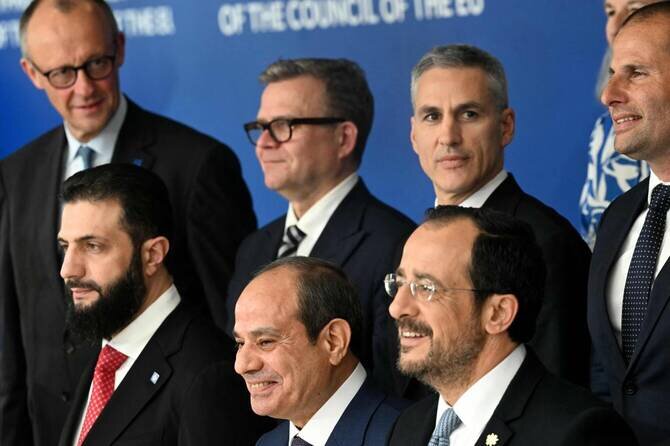
A gathering of EU officials met with representatives from Lebanon, Egypt, Syria, Jordan, and the Gulf Cooperation Council (GCC) on the island of Cyprus, with discussions centered around the impact of the Iran war.
European Council President Antonio Costa highlighted the critical link between European security and that of the Middle East, emphasizing the necessity for intensified cooperation on security and defense issues.
The ongoing conflict has led to a series of US-Israeli strikes on Iran and retaliatory attacks targeting US allies in the Gulf, causing significant economic repercussions, including the closure of the Strait of Hormuz and increased oil prices.
Costa stressed that the reopening of the Strait of Hormuz, without restrictions or tolls, is essential for global stability.
He also reiterated the EU's support for diplomatic efforts to resolve the conflict peacefully.
Additionally, the meeting addressed stalled peace talks in Pakistan and an extended ceasefire between Israel and Lebanon, with European Commission Chief Ursula von der Leyen calling for a more permanent solution.
The EU has sought to maintain a balanced stance amidst the ongoing tensions, despite criticism from US President Donald Trump regarding Europe's support for efforts to curb Iran.
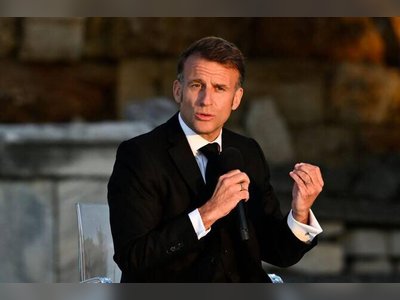
French President Emmanuel Macron emphasized that Europe must take further action to help end the crisis and restore stability in the region.
Von der Leyen outlined initiatives aimed at strengthening economic, trade, and political ties with key Middle Eastern nations, including Jordan, Egypt, Syria, and Gulf states.
She also proposed expanding EU defense partnerships and enhancing cooperation on the joint maritime coordination of Operation Aspides, which currently focuses on protecting trade vessels from attacks by Iran-backed Houthi rebels in the Red Sea.
Furthermore, von der Leyen highlighted the shared threat of mass proliferation of drones and missiles across the region and suggested establishing a framework for collaborative defense production.
A gathering of EU officials met with representatives from Lebanon, Egypt, Syria, Jordan, and the Gulf Cooperation Council (GCC) on the island of Cyprus, with discussions centered around the impact of the Iran war.
European Council President Antonio Costa highlighted the critical link between European security and that of the Middle East, emphasizing the necessity for intensified cooperation on security and defense issues.
The ongoing conflict has led to a series of US-Israeli strikes on Iran and retaliatory attacks targeting US allies in the Gulf, causing significant economic repercussions, including the closure of the Strait of Hormuz and increased oil prices.
Costa stressed that the reopening of the Strait of Hormuz, without restrictions or tolls, is essential for global stability.
He also reiterated the EU's support for diplomatic efforts to resolve the conflict peacefully.
Additionally, the meeting addressed stalled peace talks in Pakistan and an extended ceasefire between Israel and Lebanon, with European Commission Chief Ursula von der Leyen calling for a more permanent solution.
The EU has sought to maintain a balanced stance amidst the ongoing tensions, despite criticism from US President Donald Trump regarding Europe's support for efforts to curb Iran.
French President Emmanuel Macron emphasized that Europe must take further action to help end the crisis and restore stability in the region.
Von der Leyen outlined initiatives aimed at strengthening economic, trade, and political ties with key Middle Eastern nations, including Jordan, Egypt, Syria, and Gulf states.
She also proposed expanding EU defense partnerships and enhancing cooperation on the joint maritime coordination of Operation Aspides, which currently focuses on protecting trade vessels from attacks by Iran-backed Houthi rebels in the Red Sea.
Furthermore, von der Leyen highlighted the shared threat of mass proliferation of drones and missiles across the region and suggested establishing a framework for collaborative defense production.