Umluj: A Sustainable Tourism Destination in Saudi Arabia
The Umluj governorate is redefining its status on the global tourism map, leveraging natural wealth and maritime heritage to create a sustainable, inclusive destination.
Riyadh - The Umluj governorate is transforming itself into a prominent sustainable tourism destination by capitalizing on its natural endowments and rich maritime history.
Governed by national transformation projects under the auspices of the Saudi Red Sea Authority, Umluj aims to bolster both its allure for tourists and potential for investment.
Known historically as the 'white city' due to its pristine beaches, Umluj is now being modernized through initiatives designed to elevate the region's profile.
The initiative seeks not only to showcase Umluj's natural beauty but also to ensure that tourism development remains environmentally responsible and socially inclusive.
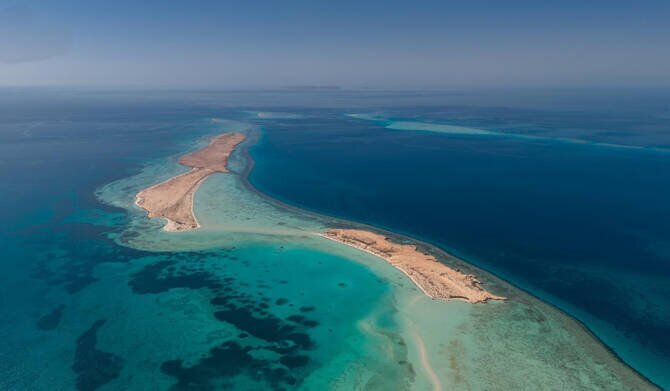
The archipelago encompasses more than 100 islands, many of which remain untouched and teem with biodiversity.
Marine environments here support a variety of life including coral reefs, home to green and hawksbill turtles, dolphins, dugongs, and numerous species of migratory birds.
These natural wonders are complemented by historical significance; the port of Umluj was once a critical hub for maritime trade between the Arabian Peninsula and Africa.
Efforts to preserve this unique blend of nature and history can be seen in the restoration of traditional souks and museums housing thousands of artifacts.
Prominent landmarks include the castle at Umluj, constructed from volcanic rock, which stands as a testament to the area's architectural heritage.
To the east lies Harrat Lunayyir, a vast volcanic field of black lava that forms part of the region's diverse landscape.
Umluj’s approach to sustainable tourism is intended to be a model for coastal regions seeking to balance economic development with environmental conservation and cultural preservation.
The governorate's endeavors reflect Saudi Arabia's broader commitment to diversifying its economy through tourism while safeguarding its natural heritage.
Governed by national transformation projects under the auspices of the Saudi Red Sea Authority, Umluj aims to bolster both its allure for tourists and potential for investment.
Known historically as the 'white city' due to its pristine beaches, Umluj is now being modernized through initiatives designed to elevate the region's profile.
The initiative seeks not only to showcase Umluj's natural beauty but also to ensure that tourism development remains environmentally responsible and socially inclusive.
The archipelago encompasses more than 100 islands, many of which remain untouched and teem with biodiversity.
Marine environments here support a variety of life including coral reefs, home to green and hawksbill turtles, dolphins, dugongs, and numerous species of migratory birds.
These natural wonders are complemented by historical significance; the port of Umluj was once a critical hub for maritime trade between the Arabian Peninsula and Africa.
Efforts to preserve this unique blend of nature and history can be seen in the restoration of traditional souks and museums housing thousands of artifacts.
Prominent landmarks include the castle at Umluj, constructed from volcanic rock, which stands as a testament to the area's architectural heritage.
To the east lies Harrat Lunayyir, a vast volcanic field of black lava that forms part of the region's diverse landscape.
Umluj’s approach to sustainable tourism is intended to be a model for coastal regions seeking to balance economic development with environmental conservation and cultural preservation.
The governorate's endeavors reflect Saudi Arabia's broader commitment to diversifying its economy through tourism while safeguarding its natural heritage.