Cuba Warns of 'Bloodbath' if US Attacks Amid Rising Tensions and Sanctions
The US Treasury sanctions Cuba's main intelligence agency and top leaders as tensions escalate between the two nations.
In a recent escalation of ongoing tensions, Cuba’s leader, President Miguel Diaz-Canel, has warned of a ‘bloodbath’ should the United States initiate an attack.
This warning comes in response to growing speculation that the US is considering military action against Cuba's communist government.
The alert was issued after reports suggested that Havana had acquired over 300 military drones from Russia and Iran, allegedly for use against US targets.
Notably, these potential strikes could extend to the US base at Guantanamo Bay, naval vessels, or even Florida, as per unnamed US officials cited by Axios.
President Diaz-Canel emphasized Cuba’s right to self-defense during a post on X, maintaining that Cuba poses no threat to the US or any other nation.
He stressed that any attack would have incalculable consequences.
Similarly, Cuba’s ambassador to the United Nations, Ernesto Soberon Guzman, reaffirmed the country's commitment to defending itself against foreign invasion, drawing parallels to the failed US attempt to invade in the 1960s.
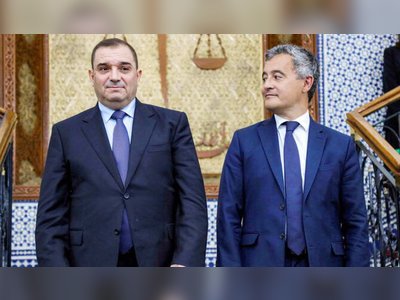
In response to these developments, the US Treasury imposed sanctions on Cuba’s main intelligence agency and sanctioned nine Cuban nationals, including ministers of communications, energy, and justice.
The sanctions also extend to several top Communist Party officials and at least three generals.
This move is part of a broader effort by Washington to exert pressure on Havana, which has been intensified since January when President Donald Trump expressed interest in toppling the country's leadership.
This has included measures such as cutting off oil shipments from Venezuela, Cuba’s primary supplier, and threatening tariffs against any countries seeking to fill this gap.
The US sanctions have exacerbated a severe humanitarian and energy crisis in Cuba, leading to frequent blackouts due to a shortage of diesel and fuel oil necessary for generating power.
The Cuban government accuses the US of attempting to create a pretext for military intervention by economically strangling the nation through its fuel blockade.
This situation is further complicated by reports suggesting that the Trump administration is considering legal action against Raul Castro, brother of late revolutionary leader Fidel Castro.
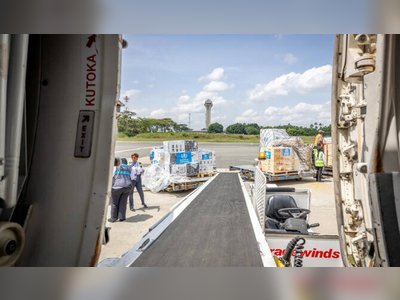
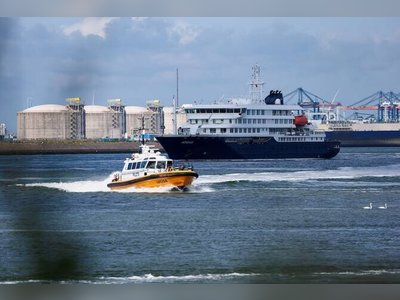
In response to these challenges, Cuba has accepted humanitarian aid from Mexico, which has sent five shipments since February.
The latest consignment, carried aboard a merchant ship sailing under a Panamanian flag, includes powdered milk and beans for children and the elderly.
Despite these efforts to alleviate the crisis, tensions between Cuba and the US remain high, with both sides maintaining firm stances on their respective rights and capabilities.
This warning comes in response to growing speculation that the US is considering military action against Cuba's communist government.
The alert was issued after reports suggested that Havana had acquired over 300 military drones from Russia and Iran, allegedly for use against US targets.
Notably, these potential strikes could extend to the US base at Guantanamo Bay, naval vessels, or even Florida, as per unnamed US officials cited by Axios.
President Diaz-Canel emphasized Cuba’s right to self-defense during a post on X, maintaining that Cuba poses no threat to the US or any other nation.
He stressed that any attack would have incalculable consequences.
Similarly, Cuba’s ambassador to the United Nations, Ernesto Soberon Guzman, reaffirmed the country's commitment to defending itself against foreign invasion, drawing parallels to the failed US attempt to invade in the 1960s.
In response to these developments, the US Treasury imposed sanctions on Cuba’s main intelligence agency and sanctioned nine Cuban nationals, including ministers of communications, energy, and justice.
The sanctions also extend to several top Communist Party officials and at least three generals.
This move is part of a broader effort by Washington to exert pressure on Havana, which has been intensified since January when President Donald Trump expressed interest in toppling the country's leadership.
This has included measures such as cutting off oil shipments from Venezuela, Cuba’s primary supplier, and threatening tariffs against any countries seeking to fill this gap.
The US sanctions have exacerbated a severe humanitarian and energy crisis in Cuba, leading to frequent blackouts due to a shortage of diesel and fuel oil necessary for generating power.
The Cuban government accuses the US of attempting to create a pretext for military intervention by economically strangling the nation through its fuel blockade.
This situation is further complicated by reports suggesting that the Trump administration is considering legal action against Raul Castro, brother of late revolutionary leader Fidel Castro.
In response to these challenges, Cuba has accepted humanitarian aid from Mexico, which has sent five shipments since February.
The latest consignment, carried aboard a merchant ship sailing under a Panamanian flag, includes powdered milk and beans for children and the elderly.
Despite these efforts to alleviate the crisis, tensions between Cuba and the US remain high, with both sides maintaining firm stances on their respective rights and capabilities.