Comprehensive Guide to the Categories at the Dakar Rally Saudi Arabia 2026
The 48th edition of the Dakar Rally features multiple competitive classes from cars and bikes to trucks, SSVs and historic entries in Saudi Arabia
The Dakar Rally Saudi Arabia 2026, set to run from January three to January seventeen, will see more than eight hundred competitors from nearly seventy nations tackle one of the world’s most demanding motorsport events across a looped route beginning and ending in Yanbu on the Red Sea coast.
The competition is divided into a range of distinct categories catering to different vehicle types and competition formats.
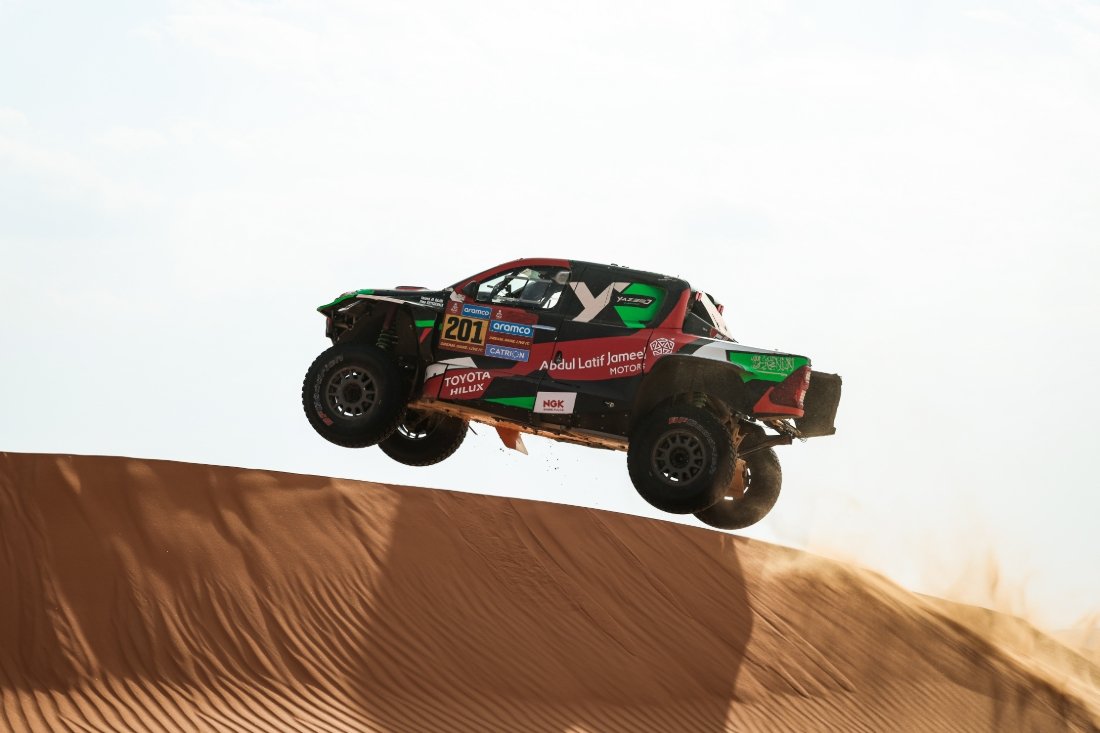
At the top of the event stands the premier cars class, known as T1 Ultimate, featuring high-performance cross-country prototypes built for overall victory on the challenging desert terrain.
These vehicles include 4×4 and 4×2 drive machines from major teams and drivers aiming for the rally’s overall title.
Complementing this is the T2 Stock category, for production-based cars modified within regulated limits, which has seen the reintroduction of familiar models like the Land Rover Defender running in competitive condition.
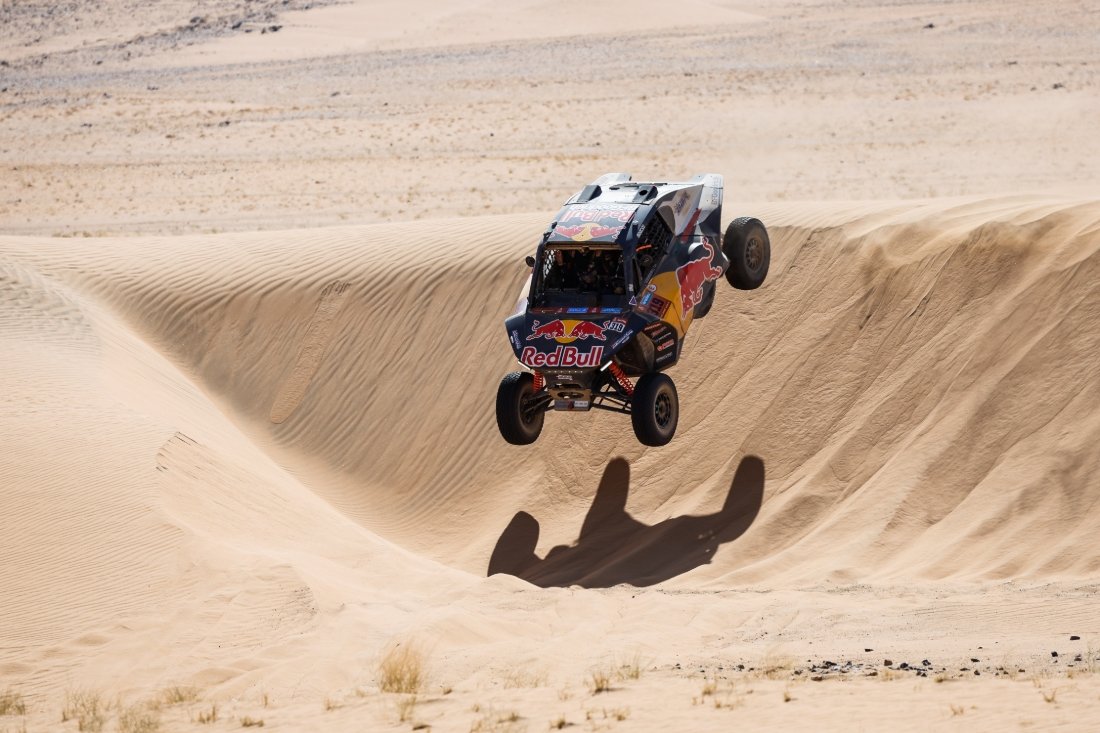
Lightweight prototypes appear in the Challenger or T3 class, designed for agility and speed across rough terrain, while the T4 side-by-side vehicle category brings together near-production SSVs that blend performance and accessibility for drivers and co-drivers alike.
Motorcycles form a major component of the rally, with the FIM bike category divided into RallyGP for professional factory riders, Rally2 for privateer and semi-pro entrants, and Original by Motul for competitors who race without technical support and maintain their own machines.
The truck classes, designated T5, are split between competition vehicles built for endurance off-road and assistance trucks responsible for logistical and mechanical support.
These giants of the desert often have their own fierce competition, with seasoned drivers chasing multi-year success.
In addition to the core rally classes, the Dakar Classic category invites historic cars and trucks from earlier decades to compete in a regularity format that prizes consistency over outright speed.
Another special entry, Mission 1000, showcases alternative energy and prototype innovations, reflecting evolving technology in endurance racing.
As the event unfolds through Saudi Arabia’s diverse landscape, each category will test the limits of man and machine over nearly eight thousand kilometres of racing and 4,800 kilometres of competitive stages.
The competition is divided into a range of distinct categories catering to different vehicle types and competition formats.
At the top of the event stands the premier cars class, known as T1 Ultimate, featuring high-performance cross-country prototypes built for overall victory on the challenging desert terrain.
These vehicles include 4×4 and 4×2 drive machines from major teams and drivers aiming for the rally’s overall title.
Complementing this is the T2 Stock category, for production-based cars modified within regulated limits, which has seen the reintroduction of familiar models like the Land Rover Defender running in competitive condition.
Lightweight prototypes appear in the Challenger or T3 class, designed for agility and speed across rough terrain, while the T4 side-by-side vehicle category brings together near-production SSVs that blend performance and accessibility for drivers and co-drivers alike.
Motorcycles form a major component of the rally, with the FIM bike category divided into RallyGP for professional factory riders, Rally2 for privateer and semi-pro entrants, and Original by Motul for competitors who race without technical support and maintain their own machines.
The truck classes, designated T5, are split between competition vehicles built for endurance off-road and assistance trucks responsible for logistical and mechanical support.
These giants of the desert often have their own fierce competition, with seasoned drivers chasing multi-year success.
In addition to the core rally classes, the Dakar Classic category invites historic cars and trucks from earlier decades to compete in a regularity format that prizes consistency over outright speed.
Another special entry, Mission 1000, showcases alternative energy and prototype innovations, reflecting evolving technology in endurance racing.
As the event unfolds through Saudi Arabia’s diverse landscape, each category will test the limits of man and machine over nearly eight thousand kilometres of racing and 4,800 kilometres of competitive stages.