Aid Shortfall in Gaza as Winter Approaches
Humanitarian agencies report insufficient aid entering the besieged enclave.
Nearly four weeks after a ceasefire was declared, humanitarian agencies have expressed concern over the lack of adequate aid reaching Gaza.
The tiny, crowded enclave, home to 2.3 million inhabitants, suffered severe destruction during Israel's two-year military campaign.
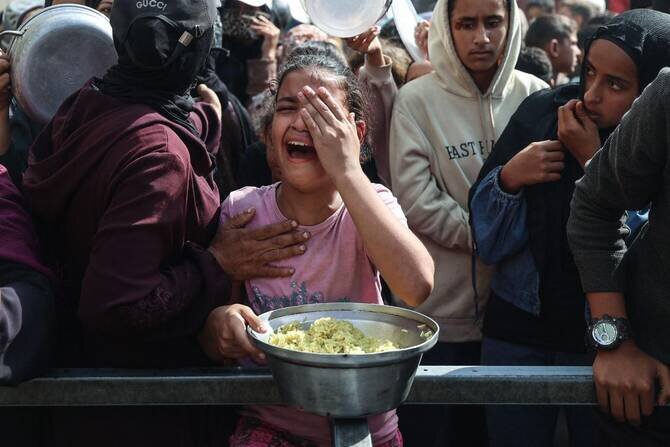
Despite the ceasefire, only half of the required food is entering the region according to the World Food Programme (WFP).
An umbrella group of Palestinian agencies reports that overall aid volumes are between a quarter and a third of expected levels.
Israel attributes any shortages to restrictions imposed due to the presence of Hamas fighters, accusing them of stealing aid.
The local administration in Gaza, however, states that most trucks do not reach their destination due to Israeli restrictions, with only about 145 deliveries per day as confirmed by the United Nations (UN).
The situation is dire for residents like Manal Salem, who lives in a tent described as 'completely worn out' and fears it will not withstand winter.
While there has been some improvement since mid-October, with increased access to food and better nutrition levels reported, conditions remain severely divided between the south and north of Gaza.
Abeer Etefa from WFP emphasizes the urgency of the situation, pointing out that only 20,000 metric tons of food assistance have been brought in, far short of meeting needs.
The variety of food required to combat malnutrition remains lacking, with meat, eggs, vegetables, and fruits rarely consumed.
The lack of fuel, particularly for cooking gas, further exacerbates the nutritional challenges, with over 60% of Gazans resorting to burning waste as an alternative.
Additionally, there is a pressing need for shelter as winter approaches, with tents deteriorating and living conditions described as 'unimaginable' by agencies such as the Norwegian Refugee Council (NRC).
The NRC estimates that 1.5 million people require shelter in Gaza but notes that large volumes of aid including tents and tarpaulins are still awaiting entry, pending Israeli approvals.
Humanitarian agencies stress the urgent need for full access to aid and for an acceleration in deliveries as winter approaches, bringing with it potential floods, rainwater accumulation, and increased health risks.
The tiny, crowded enclave, home to 2.3 million inhabitants, suffered severe destruction during Israel's two-year military campaign.
Despite the ceasefire, only half of the required food is entering the region according to the World Food Programme (WFP).
An umbrella group of Palestinian agencies reports that overall aid volumes are between a quarter and a third of expected levels.
Israel attributes any shortages to restrictions imposed due to the presence of Hamas fighters, accusing them of stealing aid.
The local administration in Gaza, however, states that most trucks do not reach their destination due to Israeli restrictions, with only about 145 deliveries per day as confirmed by the United Nations (UN).
The situation is dire for residents like Manal Salem, who lives in a tent described as 'completely worn out' and fears it will not withstand winter.
While there has been some improvement since mid-October, with increased access to food and better nutrition levels reported, conditions remain severely divided between the south and north of Gaza.
Abeer Etefa from WFP emphasizes the urgency of the situation, pointing out that only 20,000 metric tons of food assistance have been brought in, far short of meeting needs.
The variety of food required to combat malnutrition remains lacking, with meat, eggs, vegetables, and fruits rarely consumed.
The lack of fuel, particularly for cooking gas, further exacerbates the nutritional challenges, with over 60% of Gazans resorting to burning waste as an alternative.
Additionally, there is a pressing need for shelter as winter approaches, with tents deteriorating and living conditions described as 'unimaginable' by agencies such as the Norwegian Refugee Council (NRC).
The NRC estimates that 1.5 million people require shelter in Gaza but notes that large volumes of aid including tents and tarpaulins are still awaiting entry, pending Israeli approvals.
Humanitarian agencies stress the urgent need for full access to aid and for an acceleration in deliveries as winter approaches, bringing with it potential floods, rainwater accumulation, and increased health risks.