Zelensky’s Gulf Diplomacy Signals a Shift in Ukraine’s War Strategy as Saudi Arabia and Azerbaijan Gain Weight
Ukraine expands security, energy, and defense cooperation with Saudi Arabia and Azerbaijan as Kyiv seeks new diplomatic channels, military partnerships, and potential mediation pathways amid the ongoing war with Russia.
SYSTEM-DRIVEN dynamics in international diplomacy are reshaping Ukraine’s external strategy as President Volodymyr Zelensky conducts coordinated talks in Saudi Arabia and Azerbaijan, two increasingly influential regional powers that are now being integrated into Kyiv’s wider security and energy outreach during the war with Russia.
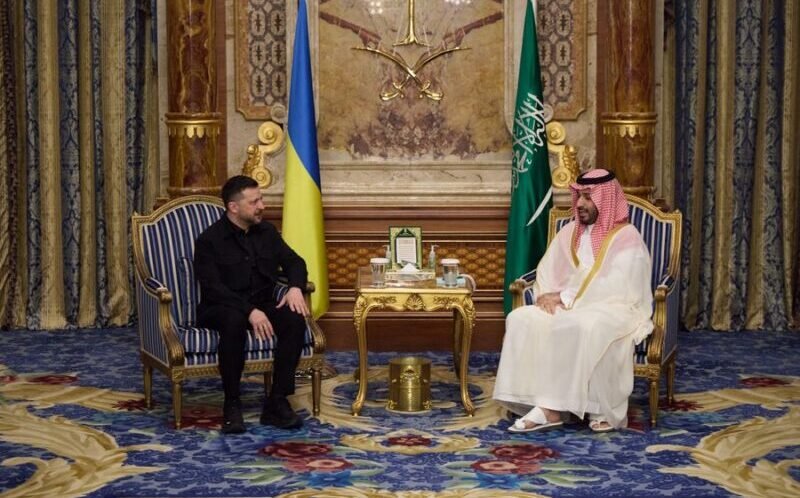
What is confirmed is that Zelensky visited Saudi Arabia on April 24, 2026, for high-level talks with Crown Prince Mohammed bin Salman, followed by a visit to Azerbaijan where he met President Ilham Aliyev.
The two visits were framed around expanding defense cooperation, energy collaboration, and food security, reflecting Ukraine’s effort to deepen ties beyond its traditional Western partners while the war continues.
In Saudi Arabia, discussions focused on what both sides described as an evolving security arrangement.
Ukrainian officials emphasized three priority areas: military cooperation, including Ukraine’s experience in air defense and counter-drone systems; energy coordination linked to Ukraine’s wartime infrastructure needs; and food security, a long-standing issue tied to global grain exports disrupted by the conflict.
The Saudi side engaged senior defense and foreign policy officials, signaling that the talks were not symbolic but part of an ongoing institutional channel.
In Azerbaijan, the agenda expanded further into potential defense-industrial cooperation.
After arriving in Baku, Zelensky met Azerbaijani leadership to discuss security coordination and energy ties, with both sides highlighting existing humanitarian cooperation and political alignment on Ukraine’s territorial integrity.
A key development is that multiple bilateral agreements were signed covering defense cooperation, trade, and energy projects, marking one of the most structured sets of agreements between the two countries since the full-scale invasion began.
A significant new dimension is Ukraine’s openness to mediated dialogue formats involving Azerbaijan.
Zelensky publicly indicated readiness for future peace discussions involving Russia, provided diplomatic conditions are met.
This does not represent a shift in Ukraine’s core position on sovereignty but signals a tactical attempt to expand the number of potential diplomatic venues and intermediaries beyond Western capitals.
The broader geopolitical implication is that Ukraine is actively building parallel diplomatic infrastructure outside Europe and the United States, engaging Gulf and South Caucasus states that maintain pragmatic relationships across multiple blocs.
Saudi Arabia, already acting as a mediator in other international conflicts, is positioning itself as a forum for security coordination discussions, while Azerbaijan is leveraging its balanced relations with both Kyiv and Moscow to host dialogue and expand regional influence.
The stakes extend beyond bilateral ties.
These engagements reflect Ukraine’s need to diversify military cooperation channels during a prolonged war, especially in areas like drone warfare, air defense systems, and energy resilience.
They also reflect a wider shift in global diplomacy, where middle powers are increasingly central to negotiation frameworks once dominated by major Western capitals.
The immediate consequence is an expanded diplomatic map for Ukraine, with active engagement in the Gulf and South Caucasus now functioning alongside its core Western alliances, creating additional channels for defense cooperation and potential negotiation frameworks in a war that continues to define European security.
What is confirmed is that Zelensky visited Saudi Arabia on April 24, 2026, for high-level talks with Crown Prince Mohammed bin Salman, followed by a visit to Azerbaijan where he met President Ilham Aliyev.
The two visits were framed around expanding defense cooperation, energy collaboration, and food security, reflecting Ukraine’s effort to deepen ties beyond its traditional Western partners while the war continues.
In Saudi Arabia, discussions focused on what both sides described as an evolving security arrangement.
Ukrainian officials emphasized three priority areas: military cooperation, including Ukraine’s experience in air defense and counter-drone systems; energy coordination linked to Ukraine’s wartime infrastructure needs; and food security, a long-standing issue tied to global grain exports disrupted by the conflict.
The Saudi side engaged senior defense and foreign policy officials, signaling that the talks were not symbolic but part of an ongoing institutional channel.
In Azerbaijan, the agenda expanded further into potential defense-industrial cooperation.
After arriving in Baku, Zelensky met Azerbaijani leadership to discuss security coordination and energy ties, with both sides highlighting existing humanitarian cooperation and political alignment on Ukraine’s territorial integrity.
A key development is that multiple bilateral agreements were signed covering defense cooperation, trade, and energy projects, marking one of the most structured sets of agreements between the two countries since the full-scale invasion began.
A significant new dimension is Ukraine’s openness to mediated dialogue formats involving Azerbaijan.
Zelensky publicly indicated readiness for future peace discussions involving Russia, provided diplomatic conditions are met.
This does not represent a shift in Ukraine’s core position on sovereignty but signals a tactical attempt to expand the number of potential diplomatic venues and intermediaries beyond Western capitals.
The broader geopolitical implication is that Ukraine is actively building parallel diplomatic infrastructure outside Europe and the United States, engaging Gulf and South Caucasus states that maintain pragmatic relationships across multiple blocs.
Saudi Arabia, already acting as a mediator in other international conflicts, is positioning itself as a forum for security coordination discussions, while Azerbaijan is leveraging its balanced relations with both Kyiv and Moscow to host dialogue and expand regional influence.
The stakes extend beyond bilateral ties.
These engagements reflect Ukraine’s need to diversify military cooperation channels during a prolonged war, especially in areas like drone warfare, air defense systems, and energy resilience.
They also reflect a wider shift in global diplomacy, where middle powers are increasingly central to negotiation frameworks once dominated by major Western capitals.
The immediate consequence is an expanded diplomatic map for Ukraine, with active engagement in the Gulf and South Caucasus now functioning alongside its core Western alliances, creating additional channels for defense cooperation and potential negotiation frameworks in a war that continues to define European security.