Trump Wants Saudi-Israeli Normalization Built Into Any Future Iran Deal
Donald Trump’s push to make expansion of the Abraham Accords a condition tied to diplomacy with Iran reflects a broader attempt to redesign the Middle East around Israeli-Arab integration, anti-Iran alignment and American strategic leverage.
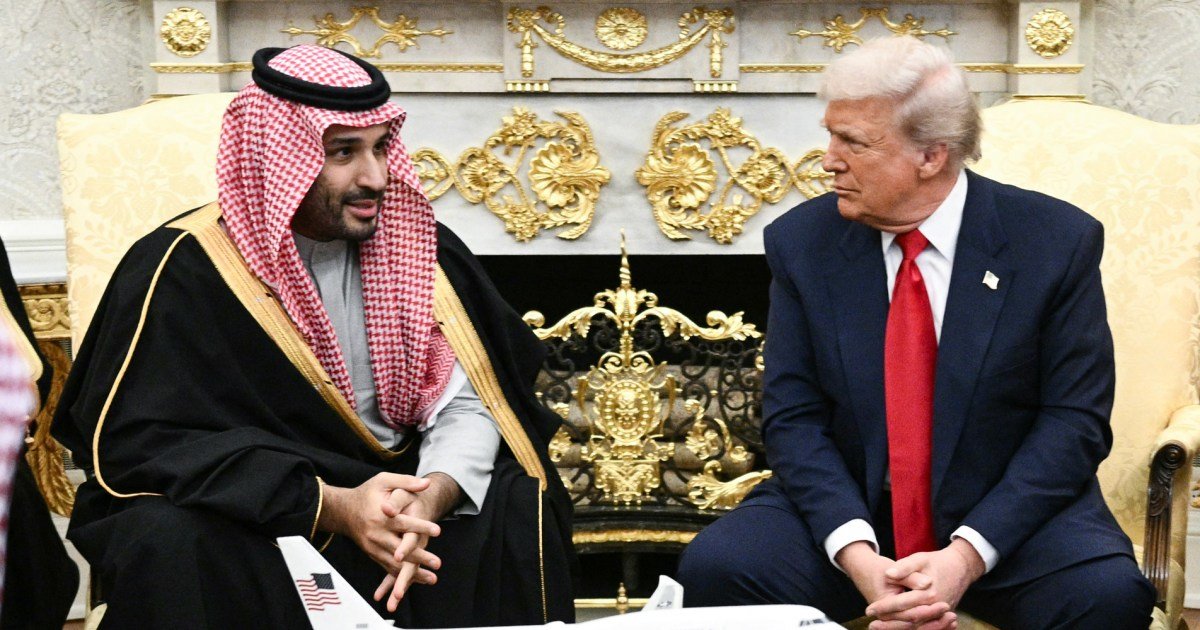
Donald Trump’s proposal to make wider participation in the Abraham Accords effectively mandatory as part of any future arrangement with Iran is fundamentally actor-driven because the policy reflects Trump’s long-standing effort to reshape Middle Eastern diplomacy around transactional alliances, regional normalization with Israel and coordinated pressure on Tehran.
Trump signaled that broader Arab and Muslim recognition of Israel should become a core component of any future diplomatic framework involving Iran, reinforcing his belief that regional normalization and collective strategic alignment are essential to containing Iranian influence.
What is confirmed is that Trump and several advisers close to his foreign-policy network continue treating expansion of the Abraham Accords as one of the signature geopolitical achievements of his presidency.
The accords normalized relations between Israel and several Arab states including the United Arab Emirates, Bahrain, Morocco and Sudan.
Trump now appears to be linking future regional diplomacy more directly to the idea that additional countries should formally recognize Israel as part of a larger strategic restructuring of the Middle East.
The key issue is that the Abraham Accords were never only about bilateral diplomacy.
They were designed to create a broader regional architecture centered on shared security interests, economic integration and opposition to Iran’s expanding influence across the Middle East.
From Washington’s perspective during Trump’s presidency, the agreements helped shift Israel from being treated as a politically isolated regional actor into an increasingly integrated security and economic partner for Sunni Arab governments.
Iran was always central to that strategy.
The United States, Israel and several Gulf states share deep concern over Iran’s missile program, nuclear ambitions, proxy militias and regional influence in Lebanon, Syria, Iraq, Yemen and Gaza.
The accords effectively formalized a regional alignment that had already been developing quietly for years through intelligence cooperation, military coordination and diplomatic backchannels.
Trump’s latest comments suggest he still views normalization as leverage.
The underlying logic is straightforward.
If Arab governments normalize relations with Israel while simultaneously increasing pressure on Tehran, Iran becomes more strategically isolated and American influence over the regional balance strengthens.
This approach differs sharply from earlier periods of Middle Eastern diplomacy in which progress on Palestinian statehood was widely treated as a prerequisite for normalization.
The Abraham Accords reversed that sequence.
Arab states normalized relations with Israel first while largely separating those decisions from the Palestinian issue.
That shift represented one of the biggest structural changes in regional diplomacy in decades.
However, the political environment changed significantly after the Gaza war.
Israel’s military campaign in Gaza following the Hamas attack of October two thousand twenty-three intensified public anger across the Arab and Muslim world and placed major pressure on governments that had normalized relations with Israel or were considering doing so.
Saudi Arabia became the most important case.
Before the Gaza conflict, the Biden administration and Saudi leadership were actively negotiating a potential normalization agreement involving American security guarantees, advanced military cooperation and support for a civilian Saudi nuclear program.
The war sharply complicated those talks.
Saudi officials publicly hardened their position and insisted that normalization now requires a credible path toward Palestinian statehood.
That reflects both strategic calculation and domestic political reality.
Saudi Arabia remains the most influential Arab and Muslim power and serves as custodian of Islam’s two holiest sites.
Any move toward recognition of Israel without visible concessions for Palestinians risks serious reputational and political consequences across the Islamic world.
Trump’s comments therefore collide with current regional constraints.
Several governments that privately cooperate with Israel on security matters are now much more cautious about public normalization because of the political fallout from Gaza.
Even countries already inside the Abraham Accords faced public criticism and social backlash during the war.
At the same time, the broader strategic drivers behind normalization remain intact.
Many Gulf governments still see Iran as a long-term security threat.
Israel remains technologically and militarily powerful.
The United States continues encouraging regional integration to reduce direct American military burdens while preserving influence.
Economic incentives also remain substantial.
The accords opened pathways for trade, investment, tourism, technology cooperation and infrastructure projects linking Israel with Gulf economies.
Israeli companies gained expanded access to regional markets while Gulf investors obtained new technological and defense partnerships.
Trump’s framing of normalization as effectively mandatory reveals how his foreign-policy worldview operates.
He tends to approach diplomacy through pressure, leverage and deal-making rather than gradual multilateral consensus-building.
During his presidency, Middle East policy often centered on transactional arrangements involving arms sales, economic incentives, sanctions and strategic alignment.
Supporters argue this approach produced tangible geopolitical results, including the Abraham Accords themselves, reduced direct Arab-Israeli hostility and stronger anti-Iran coordination.
Critics argue the strategy deprioritized Palestinian national aspirations and underestimated the long-term political volatility surrounding the Israeli-Palestinian conflict.
The Iran dimension is equally important.
Trump withdrew the United States from the Obama-era nuclear agreement with Iran in two thousand eighteen and imposed a so-called maximum pressure campaign involving sweeping sanctions.
Iran responded by expanding uranium enrichment and deepening regional proxy activity.
The Middle East today is therefore far more militarized and fragmented than when the original nuclear deal was signed.
Trump’s suggestion that normalization should be integrated into any Iran arrangement signals a broader attempt to redefine the diplomatic framework itself.
Rather than treating the Iran issue purely as a nuclear negotiation, the concept would tie Tehran’s regional position to the structure of Israeli-Arab relations.
That substantially raises the stakes.
Iran strongly opposes the Abraham Accords and views expanding Israeli-Arab integration as part of an American-led containment strategy designed to weaken Iranian regional influence.
The proposal also reflects changing global dynamics.
China and Russia increased engagement across the Middle East while Gulf states pursue more independent foreign policies balancing relations among multiple powers.
Saudi Arabia and the United Arab Emirates now operate with greater strategic flexibility than during earlier decades of overwhelming American dominance.
That means Washington can no longer assume automatic regional alignment around its preferred diplomatic architecture.
The practical consequence is that future expansion of the Abraham Accords will depend less on American pressure alone and more on whether regional leaders believe normalization strengthens their own political stability, economic interests and security position.
The broader reality is that the Middle East is entering a period where normalization with Israel, confrontation with Iran and the unresolved Palestinian issue are no longer separate diplomatic tracks.
They are increasingly becoming interconnected components of a larger struggle over who shapes the region’s future political order and strategic balance.
Trump signaled that broader Arab and Muslim recognition of Israel should become a core component of any future diplomatic framework involving Iran, reinforcing his belief that regional normalization and collective strategic alignment are essential to containing Iranian influence.
What is confirmed is that Trump and several advisers close to his foreign-policy network continue treating expansion of the Abraham Accords as one of the signature geopolitical achievements of his presidency.
The accords normalized relations between Israel and several Arab states including the United Arab Emirates, Bahrain, Morocco and Sudan.
Trump now appears to be linking future regional diplomacy more directly to the idea that additional countries should formally recognize Israel as part of a larger strategic restructuring of the Middle East.
The key issue is that the Abraham Accords were never only about bilateral diplomacy.
They were designed to create a broader regional architecture centered on shared security interests, economic integration and opposition to Iran’s expanding influence across the Middle East.
From Washington’s perspective during Trump’s presidency, the agreements helped shift Israel from being treated as a politically isolated regional actor into an increasingly integrated security and economic partner for Sunni Arab governments.
Iran was always central to that strategy.
The United States, Israel and several Gulf states share deep concern over Iran’s missile program, nuclear ambitions, proxy militias and regional influence in Lebanon, Syria, Iraq, Yemen and Gaza.
The accords effectively formalized a regional alignment that had already been developing quietly for years through intelligence cooperation, military coordination and diplomatic backchannels.
Trump’s latest comments suggest he still views normalization as leverage.
The underlying logic is straightforward.
If Arab governments normalize relations with Israel while simultaneously increasing pressure on Tehran, Iran becomes more strategically isolated and American influence over the regional balance strengthens.
This approach differs sharply from earlier periods of Middle Eastern diplomacy in which progress on Palestinian statehood was widely treated as a prerequisite for normalization.
The Abraham Accords reversed that sequence.
Arab states normalized relations with Israel first while largely separating those decisions from the Palestinian issue.
That shift represented one of the biggest structural changes in regional diplomacy in decades.
However, the political environment changed significantly after the Gaza war.
Israel’s military campaign in Gaza following the Hamas attack of October two thousand twenty-three intensified public anger across the Arab and Muslim world and placed major pressure on governments that had normalized relations with Israel or were considering doing so.
Saudi Arabia became the most important case.
Before the Gaza conflict, the Biden administration and Saudi leadership were actively negotiating a potential normalization agreement involving American security guarantees, advanced military cooperation and support for a civilian Saudi nuclear program.
The war sharply complicated those talks.
Saudi officials publicly hardened their position and insisted that normalization now requires a credible path toward Palestinian statehood.
That reflects both strategic calculation and domestic political reality.
Saudi Arabia remains the most influential Arab and Muslim power and serves as custodian of Islam’s two holiest sites.
Any move toward recognition of Israel without visible concessions for Palestinians risks serious reputational and political consequences across the Islamic world.
Trump’s comments therefore collide with current regional constraints.
Several governments that privately cooperate with Israel on security matters are now much more cautious about public normalization because of the political fallout from Gaza.
Even countries already inside the Abraham Accords faced public criticism and social backlash during the war.
At the same time, the broader strategic drivers behind normalization remain intact.
Many Gulf governments still see Iran as a long-term security threat.
Israel remains technologically and militarily powerful.
The United States continues encouraging regional integration to reduce direct American military burdens while preserving influence.
Economic incentives also remain substantial.
The accords opened pathways for trade, investment, tourism, technology cooperation and infrastructure projects linking Israel with Gulf economies.
Israeli companies gained expanded access to regional markets while Gulf investors obtained new technological and defense partnerships.
Trump’s framing of normalization as effectively mandatory reveals how his foreign-policy worldview operates.
He tends to approach diplomacy through pressure, leverage and deal-making rather than gradual multilateral consensus-building.
During his presidency, Middle East policy often centered on transactional arrangements involving arms sales, economic incentives, sanctions and strategic alignment.
Supporters argue this approach produced tangible geopolitical results, including the Abraham Accords themselves, reduced direct Arab-Israeli hostility and stronger anti-Iran coordination.
Critics argue the strategy deprioritized Palestinian national aspirations and underestimated the long-term political volatility surrounding the Israeli-Palestinian conflict.
The Iran dimension is equally important.
Trump withdrew the United States from the Obama-era nuclear agreement with Iran in two thousand eighteen and imposed a so-called maximum pressure campaign involving sweeping sanctions.
Iran responded by expanding uranium enrichment and deepening regional proxy activity.
The Middle East today is therefore far more militarized and fragmented than when the original nuclear deal was signed.
Trump’s suggestion that normalization should be integrated into any Iran arrangement signals a broader attempt to redefine the diplomatic framework itself.
Rather than treating the Iran issue purely as a nuclear negotiation, the concept would tie Tehran’s regional position to the structure of Israeli-Arab relations.
That substantially raises the stakes.
Iran strongly opposes the Abraham Accords and views expanding Israeli-Arab integration as part of an American-led containment strategy designed to weaken Iranian regional influence.
The proposal also reflects changing global dynamics.
China and Russia increased engagement across the Middle East while Gulf states pursue more independent foreign policies balancing relations among multiple powers.
Saudi Arabia and the United Arab Emirates now operate with greater strategic flexibility than during earlier decades of overwhelming American dominance.
That means Washington can no longer assume automatic regional alignment around its preferred diplomatic architecture.
The practical consequence is that future expansion of the Abraham Accords will depend less on American pressure alone and more on whether regional leaders believe normalization strengthens their own political stability, economic interests and security position.
The broader reality is that the Middle East is entering a period where normalization with Israel, confrontation with Iran and the unresolved Palestinian issue are no longer separate diplomatic tracks.
They are increasingly becoming interconnected components of a larger struggle over who shapes the region’s future political order and strategic balance.