Trump’s Saudi Relationship Signals a Fully Transactional Shift in US–Gulf Ties
A renewed focus on defense deals, investment flows, and political alignment is redefining one of Washington’s most consequential partnerships
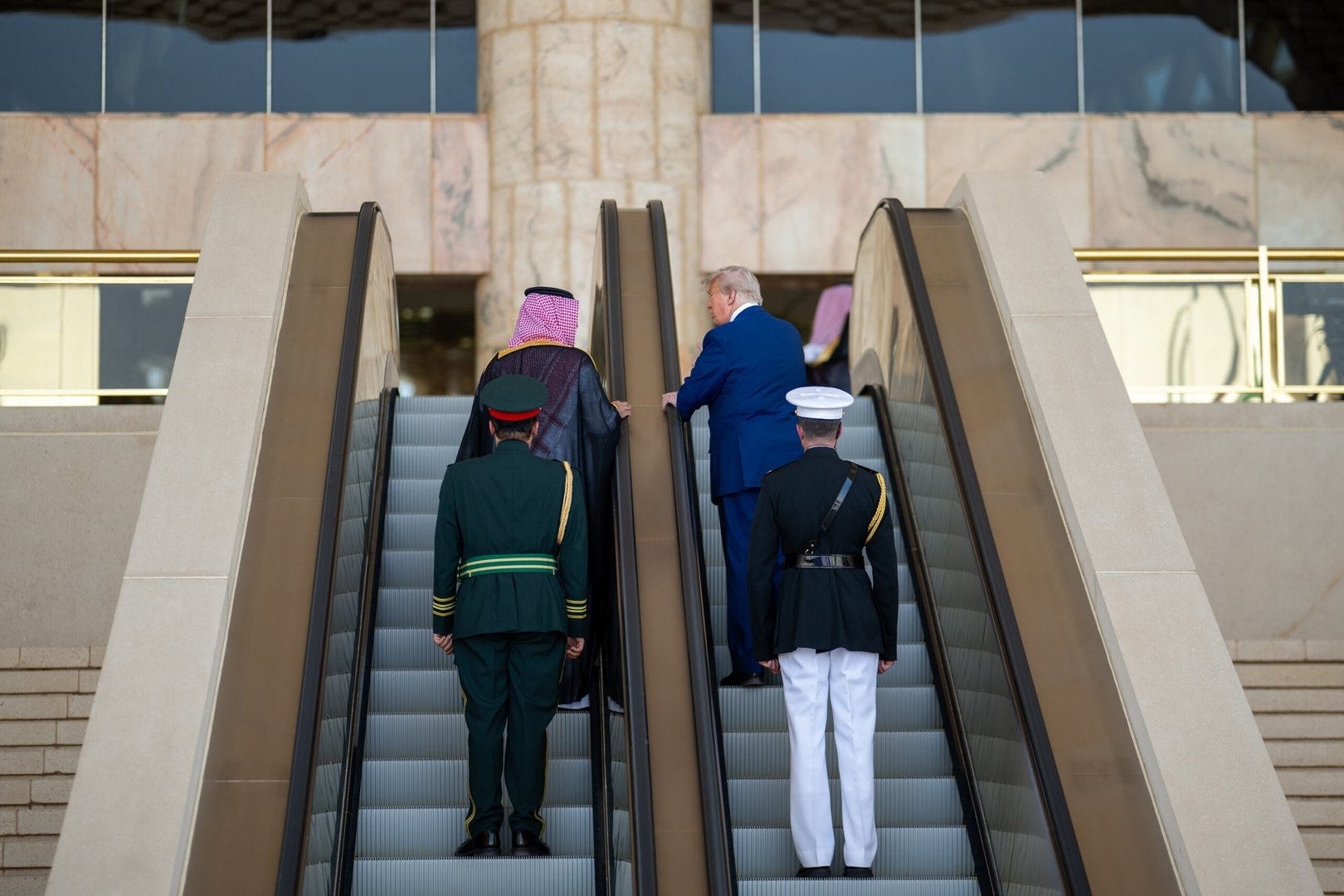
ACTOR-DRIVEN dynamics are reshaping the relationship between the United States and Saudi Arabia, as former President Donald Trump’s engagement with Riyadh underscores an increasingly transactional model of diplomacy focused on economic exchange and strategic alignment rather than traditional alliance-building.
The core development is not a single agreement but a broader pattern: US–Saudi relations are being framed less around long-term institutional commitments and more around negotiated packages of security cooperation, arms procurement, and investment commitments.
This approach reflects a style of foreign policy in which political relationships are measured through direct, tangible exchanges rather than multilateral frameworks or normative alignment.
Saudi Arabia remains one of Washington’s most strategically significant partners in the Middle East due to its role in global oil markets, its defense ties with the United States, and its influence within the Gulf Cooperation Council.
At the same time, the kingdom has pursued a more diversified foreign policy in recent years, strengthening ties with China and Russia while maintaining its security dependence on US military capabilities.
The transactional character of recent interactions is most visible in defense and investment discussions.
Arms sales remain a central pillar of the relationship, with US defense contractors continuing to see Saudi Arabia as a major customer for advanced systems.
In parallel, Saudi sovereign wealth funds have expanded their global investment footprint, including in US technology, infrastructure, and sports assets, creating a reciprocal flow of capital that reinforces political engagement.
Trump’s approach to Saudi Arabia during and after his presidency has consistently emphasized deal-making as the primary mechanism of diplomacy.
During his administration, large-scale arms agreements and high-profile investment announcements were central to US–Saudi engagement.
That framework has persisted as a reference point in subsequent political discourse, particularly among figures seeking to reassert an economic-first model of foreign policy.
The strategic logic behind this relationship is rooted in mutual benefit rather than ideological alignment.
For the United States, Saudi cooperation supports regional security objectives, energy market stability, and industrial export opportunities.
For Saudi Arabia, US partnership provides access to advanced defense systems, political backing in regional conflicts, and integration into global financial networks.
However, the transactional model carries structural limitations.
It reduces diplomatic flexibility in moments of political tension, particularly around issues such as human rights, oil production decisions, and regional military interventions.
When relationships are defined primarily through exchange value, disputes can become more immediate and less manageable through long-term institutional buffers.
Recent years have also highlighted Saudi Arabia’s increasing willingness to assert independent positions on energy policy, most notably through coordinated production decisions with other major oil producers.
These moves have occasionally placed the kingdom at odds with US economic preferences, underscoring the limits of alignment even within a heavily transactional framework.
Despite these tensions, the underlying relationship remains intact because both sides continue to derive strategic value from it.
The United States maintains critical military partnerships and regional influence, while Saudi Arabia secures security guarantees and access to advanced technology markets.
The broader implication is that US–Saudi relations are evolving into a model defined less by alliance rhetoric and more by negotiated, issue-specific agreements.
In this environment, diplomacy functions increasingly like portfolio management: segmented, interest-driven, and continuously recalibrated based on shifting economic and geopolitical conditions.
The core development is not a single agreement but a broader pattern: US–Saudi relations are being framed less around long-term institutional commitments and more around negotiated packages of security cooperation, arms procurement, and investment commitments.
This approach reflects a style of foreign policy in which political relationships are measured through direct, tangible exchanges rather than multilateral frameworks or normative alignment.
Saudi Arabia remains one of Washington’s most strategically significant partners in the Middle East due to its role in global oil markets, its defense ties with the United States, and its influence within the Gulf Cooperation Council.
At the same time, the kingdom has pursued a more diversified foreign policy in recent years, strengthening ties with China and Russia while maintaining its security dependence on US military capabilities.
The transactional character of recent interactions is most visible in defense and investment discussions.
Arms sales remain a central pillar of the relationship, with US defense contractors continuing to see Saudi Arabia as a major customer for advanced systems.
In parallel, Saudi sovereign wealth funds have expanded their global investment footprint, including in US technology, infrastructure, and sports assets, creating a reciprocal flow of capital that reinforces political engagement.
Trump’s approach to Saudi Arabia during and after his presidency has consistently emphasized deal-making as the primary mechanism of diplomacy.
During his administration, large-scale arms agreements and high-profile investment announcements were central to US–Saudi engagement.
That framework has persisted as a reference point in subsequent political discourse, particularly among figures seeking to reassert an economic-first model of foreign policy.
The strategic logic behind this relationship is rooted in mutual benefit rather than ideological alignment.
For the United States, Saudi cooperation supports regional security objectives, energy market stability, and industrial export opportunities.
For Saudi Arabia, US partnership provides access to advanced defense systems, political backing in regional conflicts, and integration into global financial networks.
However, the transactional model carries structural limitations.
It reduces diplomatic flexibility in moments of political tension, particularly around issues such as human rights, oil production decisions, and regional military interventions.
When relationships are defined primarily through exchange value, disputes can become more immediate and less manageable through long-term institutional buffers.
Recent years have also highlighted Saudi Arabia’s increasing willingness to assert independent positions on energy policy, most notably through coordinated production decisions with other major oil producers.
These moves have occasionally placed the kingdom at odds with US economic preferences, underscoring the limits of alignment even within a heavily transactional framework.
Despite these tensions, the underlying relationship remains intact because both sides continue to derive strategic value from it.
The United States maintains critical military partnerships and regional influence, while Saudi Arabia secures security guarantees and access to advanced technology markets.
The broader implication is that US–Saudi relations are evolving into a model defined less by alliance rhetoric and more by negotiated, issue-specific agreements.
In this environment, diplomacy functions increasingly like portfolio management: segmented, interest-driven, and continuously recalibrated based on shifting economic and geopolitical conditions.