Through the Eyes of First-Timers: The Hajj Experience for Workers
An inside look at the challenges and unexpected rewards faced by first-time workers during the Hajj season.
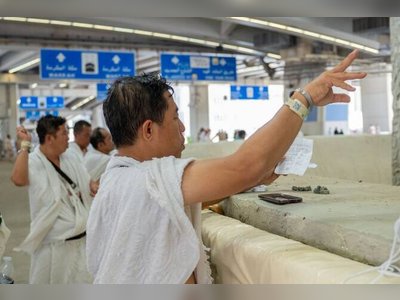
ALKHOBAR: For millions of pilgrims, Hajj is a once-in-a-lifetime spiritual journey.
For thousands of workers behind the scenes each season, it is something else entirely: a crash course in pressure, unpredictability and human endurance.
Nothing fully prepares first-time Hajj workers for the scale of the event.
Not the training sessions.
Not the videos.
Not even the stories they hear beforehand.
"The first hour completely changed my understanding of what Hajj actually is," said 22-year-old volunteer Sara Al-Qahtani, who worked her first season guiding pilgrims between transportation points in Mina.
"You see the crowds on TV every year, but when you’re standing inside it, responsible for helping people move safely, it feels completely different.
I remember going home after my first shift and just sitting in silence because my brain couldn’t process the amount of movement and noise".
Like many first-time workers, Al-Qahtani entered the experience expecting long hours and physical exhaustion.
What she did not expect was the emotional weight of constantly dealing with people in vulnerable situations, elderly pilgrims separated from family members, exhausted visitors struggling in the heat and confused travelers navigating language barriers.
"One woman grabbed my hand because she thought she was lost," she recalled.
"She didn’t speak Arabic or English properly, and for a moment I panicked because I didn’t know how to help her quickly enough".
That moment, she said, taught her the most important lesson of Hajj work: "You cannot freeze here.
Even when you’re unsure, you have to stay calm because people look at your reaction first".
Across Makkah and the holy sites, thousands of seasonal workers and volunteers step into similar roles every year, many with little understanding of how mentally demanding the experience can be.
For some, the shock comes from the sheer pace of the environment.
For others, it is the realization that mistakes, even small ones, can affect people almost instantly.
"I gave a family the wrong direction on my second day," admitted university student Mohammed Al-Harbi, who volunteered with a crowd guidance team during a previous Hajj season.
"It was not dangerous, but I still felt terrible afterward because they trusted me".
The mistake stayed with him throughout the week.
"You become hyperaware very quickly," he said.
"You realize this isn’t a normal event where errors are harmless.
Everyone around you is tired, emotional and trying to reach somewhere important".
Hajj forces people to adapt rapidly in ways many workers do not anticipate.
Shifts stretch for hours.
Sleep becomes inconsistent.
Communication often relies more on gestures than language.
Workers learn to make quick decisions while staying composed under pressure.
But alongside the exhaustion comes something many described as unexpectedly rewarding.
"There were moments where I genuinely thought I couldn’t continue physically," said Al-Harbi.
"Then someone would smile at you, thank you, or pray for you, and suddenly the fatigue feels smaller".
For first-time workers, some of the strongest memories are not dramatic incidents but brief human interactions that stay with them long after the season ends.
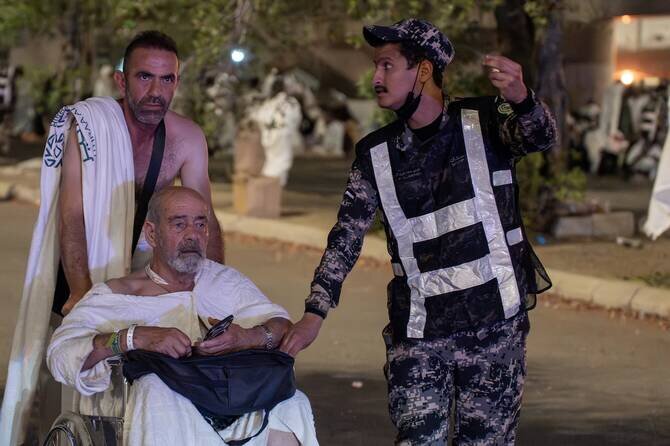
One volunteer described helping an elderly pilgrim reunite with his group after nearly an hour of confusion near Mina.
"He started crying when he found them again," she said.
"That moment affected me more than anything else during Hajj".
Others spoke about the emotional intensity of witnessing acts of patience and kindness in difficult conditions.
"You expect people to be angry because of the heat and crowds," Al-Qahtani said.
"But honestly, I was surprised by how understanding most pilgrims were, even when things became stressful".
The experience also changes how many workers view the pilgrimage itself.
Before participating operationally, several volunteers admitted they saw Hajj mainly through a spiritual lens.
Working behind the scenes exposed them to the massive human infrastructure required to keep millions of people moving safely.
"You suddenly notice the invisible work," Al-Harbi said.
"The cleaners, drivers, medics, volunteers, security teams.
There are so many people making small decisions every second to keep things functioning".
For many first-time workers, that realization creates a new level of respect, not only for the pilgrimage, but for the people quietly sustaining it.
Some even return the following year despite the exhaustion.
"You leave completely drained," said Al-Qahtani.
"But somehow you also leave wanting to do it again".
That contradiction may be what defines the experience most.
Hajj tests workers physically and mentally from the moment they arrive.
Yet for many first-timers, the pressure becomes part of the transformation itself.
By the end of the season, the fear of making mistakes is often replaced by confidence, adaptability and a deeper understanding of service under pressure.
"You walk into Hajj thinking you’re there to guide people," Al-Harbi said.
"Then you realize the experience is guiding you too".
For thousands of workers behind the scenes each season, it is something else entirely: a crash course in pressure, unpredictability and human endurance.
Nothing fully prepares first-time Hajj workers for the scale of the event.
Not the training sessions.
Not the videos.
Not even the stories they hear beforehand.
"The first hour completely changed my understanding of what Hajj actually is," said 22-year-old volunteer Sara Al-Qahtani, who worked her first season guiding pilgrims between transportation points in Mina.
"You see the crowds on TV every year, but when you’re standing inside it, responsible for helping people move safely, it feels completely different.
I remember going home after my first shift and just sitting in silence because my brain couldn’t process the amount of movement and noise".
Like many first-time workers, Al-Qahtani entered the experience expecting long hours and physical exhaustion.
What she did not expect was the emotional weight of constantly dealing with people in vulnerable situations, elderly pilgrims separated from family members, exhausted visitors struggling in the heat and confused travelers navigating language barriers.
"One woman grabbed my hand because she thought she was lost," she recalled.
"She didn’t speak Arabic or English properly, and for a moment I panicked because I didn’t know how to help her quickly enough".
That moment, she said, taught her the most important lesson of Hajj work: "You cannot freeze here.
Even when you’re unsure, you have to stay calm because people look at your reaction first".
Across Makkah and the holy sites, thousands of seasonal workers and volunteers step into similar roles every year, many with little understanding of how mentally demanding the experience can be.
For some, the shock comes from the sheer pace of the environment.
For others, it is the realization that mistakes, even small ones, can affect people almost instantly.
"I gave a family the wrong direction on my second day," admitted university student Mohammed Al-Harbi, who volunteered with a crowd guidance team during a previous Hajj season.
"It was not dangerous, but I still felt terrible afterward because they trusted me".
The mistake stayed with him throughout the week.
"You become hyperaware very quickly," he said.
"You realize this isn’t a normal event where errors are harmless.
Everyone around you is tired, emotional and trying to reach somewhere important".
Hajj forces people to adapt rapidly in ways many workers do not anticipate.
Shifts stretch for hours.
Sleep becomes inconsistent.
Communication often relies more on gestures than language.
Workers learn to make quick decisions while staying composed under pressure.
But alongside the exhaustion comes something many described as unexpectedly rewarding.
"There were moments where I genuinely thought I couldn’t continue physically," said Al-Harbi.
"Then someone would smile at you, thank you, or pray for you, and suddenly the fatigue feels smaller".
For first-time workers, some of the strongest memories are not dramatic incidents but brief human interactions that stay with them long after the season ends.
One volunteer described helping an elderly pilgrim reunite with his group after nearly an hour of confusion near Mina.
"He started crying when he found them again," she said.
"That moment affected me more than anything else during Hajj".
Others spoke about the emotional intensity of witnessing acts of patience and kindness in difficult conditions.
"You expect people to be angry because of the heat and crowds," Al-Qahtani said.
"But honestly, I was surprised by how understanding most pilgrims were, even when things became stressful".
The experience also changes how many workers view the pilgrimage itself.
Before participating operationally, several volunteers admitted they saw Hajj mainly through a spiritual lens.
Working behind the scenes exposed them to the massive human infrastructure required to keep millions of people moving safely.
"You suddenly notice the invisible work," Al-Harbi said.
"The cleaners, drivers, medics, volunteers, security teams.
There are so many people making small decisions every second to keep things functioning".
For many first-time workers, that realization creates a new level of respect, not only for the pilgrimage, but for the people quietly sustaining it.
Some even return the following year despite the exhaustion.
"You leave completely drained," said Al-Qahtani.
"But somehow you also leave wanting to do it again".
That contradiction may be what defines the experience most.
Hajj tests workers physically and mentally from the moment they arrive.
Yet for many first-timers, the pressure becomes part of the transformation itself.
By the end of the season, the fear of making mistakes is often replaced by confidence, adaptability and a deeper understanding of service under pressure.
"You walk into Hajj thinking you’re there to guide people," Al-Harbi said.
"Then you realize the experience is guiding you too".