The Mediterranean Boat Disaster: Mahmoud Shalabi's Survival and the Unanswered Questions for the Families of the Missing
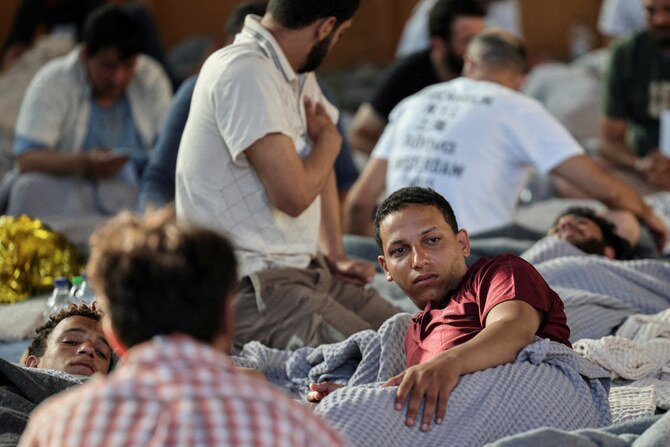
A year ago, a fishing trawler carrying migrants, including Egyptian electrician Mahmoud Shalabi and 16 friends from his hometown outside Cairo, capsized in the Mediterranean, killing hundreds.
Mahmoud is the only survivor and is now in Athens, Greece, waiting for his asylum application to be processed.
The families of the missing call him daily for updates.
The disaster, one of the deadliest in the Mediterranean, raised concerns about Europe's efforts to stop migrant flows from Africa and the Middle East.
A boat that set sail from Libya a year ago experienced a shipwreck, resulting in the loss of lives and leaving relatives seeking answers about the cause and those responsible.
Survivors and relatives claim the coast guard caused the boat to capsize during a tow attempt, while authorities maintain the boat refused assistance.
No independent investigation has been completed, no one has been held accountable, and the courts are expected to determine what happened.
The cause of the shipwreck is disputed, with experts appointed by the coast guard suggesting the movement of migrants onboard may have contributed to the boat tipping over.
Witnesses emphasize the importance of finding definitive answers to prevent similar disasters in the future.
The coast guard and shipping minister have declined to comment in detail.
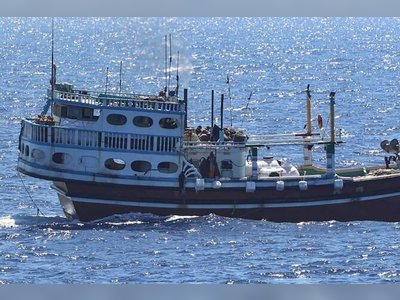
On June 13, 2023, the Greek coast guard was informed about a migrant ship in distress and monitored it throughout the day.
The ship sent out distress calls, but a coast guard boat did not arrive until 11 pm.
Three hours later, the vessel sank, leaving up to 700 people on board missing or dead.
Survivors estimated that supplies had run out before the sinking.
One survivor, Shalabi, described a scene filled with floating corpses.
The search for survivors was unsuccessful, and 82 bodies were recovered.
Greek authorities initially blamed nine Egyptians on board for the tragedy, but they were released last month when the case was dismissed by a Greek court.
The focus of investigations is now likely to shift to the coast guard, according to legal experts.
A naval court investigation into the incident is ongoing but at a preliminary stage.
In November 2021, Greece's ombudsman, Andreas Pottakis, initiated an investigation into the Greek coast guard's handling of a refugee boat disaster that occurred in June 2021.
The probe was launched after Pottakis' previous requests for an internal investigation were rejected.
Lawyer Eleni Spathana, representing survivors who filed a lawsuit against Greek authorities in September, stated that crucial questions regarding the role of Greek authorities in the disaster remain unanswered.
Meanwhile, Fatima Al-Rahil, a Syrian refugee living in the Azraq camp in Jordan, is seeking answers about her husband Ihsaan's fate.
Ihsaan had set off for Europe to secure asylum and bring his family to safety.
Fatima last heard from him on June 9 as the boat left Libya.
Ihsaan, who couldn't swim, used a car tire as a buoyancy aid.
However, armed smugglers discarded his belongings before he boarded the boat, leaving him without the tire.
Ihsaan and his brother-in-law, Khaled Al-Rahil, were separated during the disaster.
The investigation continues to uncover the circumstances surrounding the boat disaster and the potential involvement of Greek authorities.
Fatima received a call from Khaled, expressing uncertainty about their son Ihsaan's fate.
In an attempt to find answers, Fatima sent a DNA sample of Ihsaan to Greece through the Red Cross in November.
Three months later, authorities reported no match with any of the deceased.
With no body to bury, Fatima clings to hope, considering the possibility that a fisherman may have found Ihsaan and is caring for him.
Ihsaan's children continue to dream about him, and Fatima maintains her faith, acknowledging that they are the victims still living on earth.
The families of the missing call him daily for updates.
The disaster, one of the deadliest in the Mediterranean, raised concerns about Europe's efforts to stop migrant flows from Africa and the Middle East.
A boat that set sail from Libya a year ago experienced a shipwreck, resulting in the loss of lives and leaving relatives seeking answers about the cause and those responsible.
Survivors and relatives claim the coast guard caused the boat to capsize during a tow attempt, while authorities maintain the boat refused assistance.
No independent investigation has been completed, no one has been held accountable, and the courts are expected to determine what happened.
The cause of the shipwreck is disputed, with experts appointed by the coast guard suggesting the movement of migrants onboard may have contributed to the boat tipping over.
Witnesses emphasize the importance of finding definitive answers to prevent similar disasters in the future.
The coast guard and shipping minister have declined to comment in detail.
On June 13, 2023, the Greek coast guard was informed about a migrant ship in distress and monitored it throughout the day.
The ship sent out distress calls, but a coast guard boat did not arrive until 11 pm.
Three hours later, the vessel sank, leaving up to 700 people on board missing or dead.
Survivors estimated that supplies had run out before the sinking.
One survivor, Shalabi, described a scene filled with floating corpses.
The search for survivors was unsuccessful, and 82 bodies were recovered.
Greek authorities initially blamed nine Egyptians on board for the tragedy, but they were released last month when the case was dismissed by a Greek court.
The focus of investigations is now likely to shift to the coast guard, according to legal experts.
A naval court investigation into the incident is ongoing but at a preliminary stage.
In November 2021, Greece's ombudsman, Andreas Pottakis, initiated an investigation into the Greek coast guard's handling of a refugee boat disaster that occurred in June 2021.
The probe was launched after Pottakis' previous requests for an internal investigation were rejected.
Lawyer Eleni Spathana, representing survivors who filed a lawsuit against Greek authorities in September, stated that crucial questions regarding the role of Greek authorities in the disaster remain unanswered.
Meanwhile, Fatima Al-Rahil, a Syrian refugee living in the Azraq camp in Jordan, is seeking answers about her husband Ihsaan's fate.
Ihsaan had set off for Europe to secure asylum and bring his family to safety.
Fatima last heard from him on June 9 as the boat left Libya.
Ihsaan, who couldn't swim, used a car tire as a buoyancy aid.
However, armed smugglers discarded his belongings before he boarded the boat, leaving him without the tire.
Ihsaan and his brother-in-law, Khaled Al-Rahil, were separated during the disaster.
The investigation continues to uncover the circumstances surrounding the boat disaster and the potential involvement of Greek authorities.
Fatima received a call from Khaled, expressing uncertainty about their son Ihsaan's fate.
In an attempt to find answers, Fatima sent a DNA sample of Ihsaan to Greece through the Red Cross in November.
Three months later, authorities reported no match with any of the deceased.
With no body to bury, Fatima clings to hope, considering the possibility that a fisherman may have found Ihsaan and is caring for him.
Ihsaan's children continue to dream about him, and Fatima maintains her faith, acknowledging that they are the victims still living on earth.
Translation:
Translated by AI