Tehran Welcomes Yemen Prisoner Exchange Agreement as Step Toward Peace
Iran’s foreign ministry hails the largest detainee swap in Yemen’s conflict and Oman’s mediation role
Iran has welcomed the historic prisoner exchange agreement reached between Yemen’s warring factions, describing the deal as a constructive humanitarian step that could contribute to broader stability in the war-torn country.
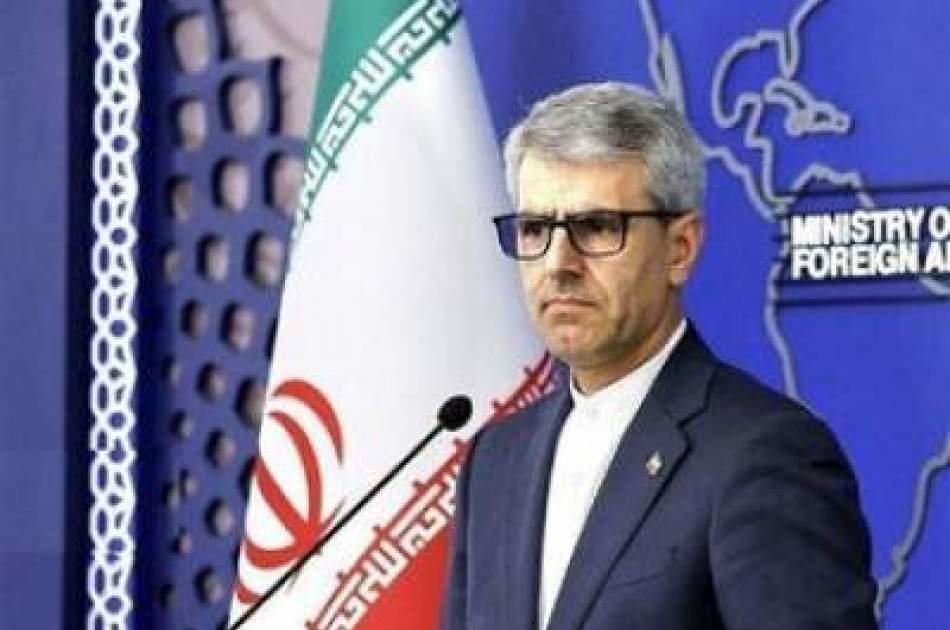
The spokesman for Iran’s Ministry of Foreign Affairs, Esmaeil Baghaei, praised the agreement, brokered in Muscat between the Iran-aligned Houthi movement and the internationally recognised Yemeni government, and highlighted Oman’s key role in facilitating the negotiations that spanned nearly two weeks.
The agreement, which marks the largest prisoner swap of the country’s decade-long conflict, provides for the release of nearly three thousand detainees, including several foreign nationals held by both sides.
Tehran’s response expressed hope that the accord would help pave the way for resolving remaining issues, restoring calm and strengthening Yemen’s national cohesion after years of intense fighting and humanitarian suffering.
The statement underscored the importance of sustained engagement by all parties and regional actors to ensure the effective implementation of the deal and promote peace.
Iran’s diplomatic endorsement of the agreement aligns with broader regional and international praise for the breakthrough, with Gulf states and multilateral organisations also welcoming the development as a confidence-building measure.
Saudi Arabia publicly welcomed the swap and commended Oman, the United Nations special envoy for Yemen and the International Committee of the Red Cross for their facilitation efforts.
Gulf Cooperation Council officials similarly described the deal as a positive step toward alleviating humanitarian hardship and bolstering trust between Yemeni parties.
The prisoner exchange follows intensive talks in Oman under the auspices of UN mediation, reflecting a rare moment of cooperation between adversarial sides in Yemen’s protracted civil war.
Tehran’s supportive remarks may reflect growing regional interest in diplomatic approaches to the conflict’s intractable challenges, even as substantial political divisions and security issues remain.
By framing the agreement as a foundation for further dialogue and cooperation, Iran emphasised the humanitarian dimension of the process and signalled its backing for initiatives that could reduce suffering and build momentum toward wider conflict resolution.
The spokesman for Iran’s Ministry of Foreign Affairs, Esmaeil Baghaei, praised the agreement, brokered in Muscat between the Iran-aligned Houthi movement and the internationally recognised Yemeni government, and highlighted Oman’s key role in facilitating the negotiations that spanned nearly two weeks.
The agreement, which marks the largest prisoner swap of the country’s decade-long conflict, provides for the release of nearly three thousand detainees, including several foreign nationals held by both sides.
Tehran’s response expressed hope that the accord would help pave the way for resolving remaining issues, restoring calm and strengthening Yemen’s national cohesion after years of intense fighting and humanitarian suffering.
The statement underscored the importance of sustained engagement by all parties and regional actors to ensure the effective implementation of the deal and promote peace.
Iran’s diplomatic endorsement of the agreement aligns with broader regional and international praise for the breakthrough, with Gulf states and multilateral organisations also welcoming the development as a confidence-building measure.
Saudi Arabia publicly welcomed the swap and commended Oman, the United Nations special envoy for Yemen and the International Committee of the Red Cross for their facilitation efforts.
Gulf Cooperation Council officials similarly described the deal as a positive step toward alleviating humanitarian hardship and bolstering trust between Yemeni parties.
The prisoner exchange follows intensive talks in Oman under the auspices of UN mediation, reflecting a rare moment of cooperation between adversarial sides in Yemen’s protracted civil war.
Tehran’s supportive remarks may reflect growing regional interest in diplomatic approaches to the conflict’s intractable challenges, even as substantial political divisions and security issues remain.
By framing the agreement as a foundation for further dialogue and cooperation, Iran emphasised the humanitarian dimension of the process and signalled its backing for initiatives that could reduce suffering and build momentum toward wider conflict resolution.