Saudi Arabia’s 2026 Budget Signals Strategic Opportunity for Businesses and Investors
Riyadh’s fiscal blueprint reinforces diversification, fiscal discipline and private-sector growth under Vision 2030
Saudi Arabia’s approval of its 2026 national budget marks a pivotal moment for domestic and international businesses and investors as the Kingdom advances its long-term economic transformation agenda.
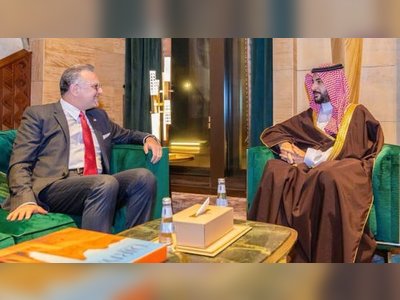
The Cabinet, chaired by Crown Prince Mohammed bin Salman bin Abdulaziz Al Saud, sanctioned total expenditures of SAR 1.313 trillion against projected revenues of SAR 1.147 trillion, reflecting a deliberate expansionary fiscal stance designed to sustain and accelerate structural reform even amid external volatility.
This planned fiscal deficit of around SAR 165 billion, equivalent to approximately 3.3 percent of gross domestic product, is framed by Riyadh as a strategic choice to maintain robust investment momentum in priority sectors while preserving macroeconomic stability and fiscal resilience.
The budget’s combination of disciplined spending and targeted investment creates a predictable policy environment that underscores Saudi Arabia’s commitment to economic diversification and fiscal discipline, strengthening investor confidence and supporting multi-year planning and capital allocation.
The 2026 budget’s implications for businesses and investors are multifaceted.
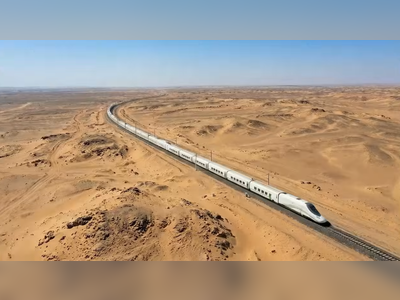
Non-oil sectors, which already account for a majority of economic output and continue to exhibit strong growth, are expected to benefit from sustained public spending on logistics, transport, technology, industry and tourism infrastructure.
This trend enhances opportunities for private-sector participation and foreign direct investment across value chains, while reinforcing the role of local enterprises in competitive markets.
Policy measures that prioritise spending efficiency and quality services are also expected to support corporate profitability and the Kingdom’s broader structural reforms.
For international investors, the budget signals Saudi Arabia’s intent to sustain an attractive investment climate, with a stable macroeconomic framework, modest public debt levels and strategic alignment with Vision 2030 priorities.
Increased non-oil GDP growth forecasts and ongoing improvements in transparency, governance and regulatory frameworks are further likely to enhance market access for global capital.
The budget’s emphasis on private-sector expansion, alongside infrastructure development in logistics and technology, underscores opportunities in sectors where both domestic companies and multinational investors can establish scalable operations.
As the Kingdom transitions from large-scale infrastructure delivery to a more mature phase of diversified growth, the predictability and strategic focus of the 2026 budget could bolster confidence in Saudi Arabia as a long-term investment destination.
These developments reinforce Riyadh’s broader goals of fostering vibrant markets, integrating international investment into priority sectors and unlocking new economic engines beyond traditional hydrocarbon revenues.
The Cabinet, chaired by Crown Prince Mohammed bin Salman bin Abdulaziz Al Saud, sanctioned total expenditures of SAR 1.313 trillion against projected revenues of SAR 1.147 trillion, reflecting a deliberate expansionary fiscal stance designed to sustain and accelerate structural reform even amid external volatility.
This planned fiscal deficit of around SAR 165 billion, equivalent to approximately 3.3 percent of gross domestic product, is framed by Riyadh as a strategic choice to maintain robust investment momentum in priority sectors while preserving macroeconomic stability and fiscal resilience.
The budget’s combination of disciplined spending and targeted investment creates a predictable policy environment that underscores Saudi Arabia’s commitment to economic diversification and fiscal discipline, strengthening investor confidence and supporting multi-year planning and capital allocation.
The 2026 budget’s implications for businesses and investors are multifaceted.
Non-oil sectors, which already account for a majority of economic output and continue to exhibit strong growth, are expected to benefit from sustained public spending on logistics, transport, technology, industry and tourism infrastructure.
This trend enhances opportunities for private-sector participation and foreign direct investment across value chains, while reinforcing the role of local enterprises in competitive markets.
Policy measures that prioritise spending efficiency and quality services are also expected to support corporate profitability and the Kingdom’s broader structural reforms.
For international investors, the budget signals Saudi Arabia’s intent to sustain an attractive investment climate, with a stable macroeconomic framework, modest public debt levels and strategic alignment with Vision 2030 priorities.
Increased non-oil GDP growth forecasts and ongoing improvements in transparency, governance and regulatory frameworks are further likely to enhance market access for global capital.
The budget’s emphasis on private-sector expansion, alongside infrastructure development in logistics and technology, underscores opportunities in sectors where both domestic companies and multinational investors can establish scalable operations.
As the Kingdom transitions from large-scale infrastructure delivery to a more mature phase of diversified growth, the predictability and strategic focus of the 2026 budget could bolster confidence in Saudi Arabia as a long-term investment destination.
These developments reinforce Riyadh’s broader goals of fostering vibrant markets, integrating international investment into priority sectors and unlocking new economic engines beyond traditional hydrocarbon revenues.