
Saudi Arabia’s 2026 Budget Accelerates Tourism Growth with Major Infrastructure Investments
Riyadh’s fiscal plan channels strategic funding into transport, hospitality and cultural assets to bolster the Kingdom’s global tourism appeal under Vision 2030
Saudi Arabia’s newly approved 2026 national budget envisions a substantial boost to the country’s tourism sector through targeted infrastructure spending and strategic development designed to enhance the Kingdom’s position as a leading global destination.
The Cabinet, chaired by Crown Prince and Prime Minister Mohammed bin Salman bin Abdulaziz Al Saud, sanctioned expenditures of SAR 1.313 trillion against projected revenues of SAR 1.147 trillion, affirming a deliberate fiscal stance that prioritises economic diversification and the expansion of non-oil sectors, including tourism.
This comprehensive fiscal blueprint aligns with the long-term objectives of Vision 2030, which places tourism at the heart of Saudi Arabia’s growth strategy and aims to further capitalise on the sector’s rapid expansion.
The tourism industry has already exceeded major milestones, including attracting more than 100 million visitors annually ahead of schedule, with inbound tourism spending rising significantly in recent years, underscoring its growing contribution to the national economy and employment.
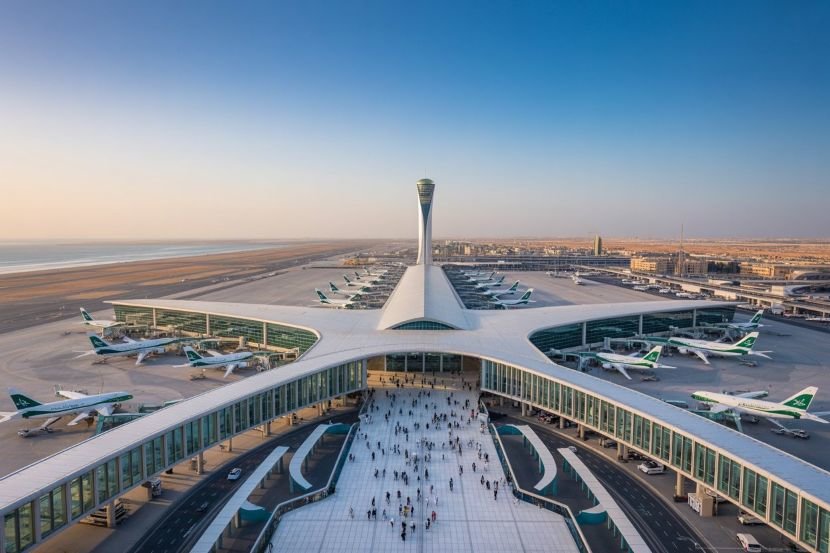
The 2026 budget emphasises investment in transport infrastructure, such as airport upgrades, expanded railway networks and improved public transit, to enhance international accessibility and travel experience.
These upgrades are intended to support the anticipated traffic growth to major urban centres including Riyadh, Jeddah and Mecca, as well as emerging cultural and leisure destinations.
Alongside transport projects, the plan allocates funding for the development of hospitality infrastructure, with new hotels and resorts expected to meet rising demand from both leisure and religious visitors.
Strategic cultural tourism initiatives, including the preservation and promotion of heritage sites and World Heritage destinations such as Al-Ula, are also incorporated into the Kingdom’s wider tourism expansion.
Religious tourism remains central, with continued efforts to improve the pilgrimage experience for millions of visitors attending Hajj and Umrah each year.
Saudi Arabia’s approach also recognises the value of eco-tourism and adventure travel, leveraging its diverse landscapes from Red Sea coastlines to mountainous regions to attract a broader range of international travellers.
While global economic uncertainties and sectoral challenges persist, the budget underscores a commitment to public-private partnerships and international investment to sustain momentum in tourism growth.
This multi-faceted strategy reflects Saudi Arabia’s confidence in its ability to transform the tourism sector into a cornerstone of economic diversification and global competitiveness, while enhancing quality of life for citizens and visitors alike.
The Cabinet, chaired by Crown Prince and Prime Minister Mohammed bin Salman bin Abdulaziz Al Saud, sanctioned expenditures of SAR 1.313 trillion against projected revenues of SAR 1.147 trillion, affirming a deliberate fiscal stance that prioritises economic diversification and the expansion of non-oil sectors, including tourism.
This comprehensive fiscal blueprint aligns with the long-term objectives of Vision 2030, which places tourism at the heart of Saudi Arabia’s growth strategy and aims to further capitalise on the sector’s rapid expansion.
The tourism industry has already exceeded major milestones, including attracting more than 100 million visitors annually ahead of schedule, with inbound tourism spending rising significantly in recent years, underscoring its growing contribution to the national economy and employment.
The 2026 budget emphasises investment in transport infrastructure, such as airport upgrades, expanded railway networks and improved public transit, to enhance international accessibility and travel experience.
These upgrades are intended to support the anticipated traffic growth to major urban centres including Riyadh, Jeddah and Mecca, as well as emerging cultural and leisure destinations.
Alongside transport projects, the plan allocates funding for the development of hospitality infrastructure, with new hotels and resorts expected to meet rising demand from both leisure and religious visitors.
Strategic cultural tourism initiatives, including the preservation and promotion of heritage sites and World Heritage destinations such as Al-Ula, are also incorporated into the Kingdom’s wider tourism expansion.
Religious tourism remains central, with continued efforts to improve the pilgrimage experience for millions of visitors attending Hajj and Umrah each year.
Saudi Arabia’s approach also recognises the value of eco-tourism and adventure travel, leveraging its diverse landscapes from Red Sea coastlines to mountainous regions to attract a broader range of international travellers.
While global economic uncertainties and sectoral challenges persist, the budget underscores a commitment to public-private partnerships and international investment to sustain momentum in tourism growth.
This multi-faceted strategy reflects Saudi Arabia’s confidence in its ability to transform the tourism sector into a cornerstone of economic diversification and global competitiveness, while enhancing quality of life for citizens and visitors alike.