Syria and Saudi Arabia Seal Multibillion-Dollar Investment Agreements to Drive Post-War Economic Reconstruction
Damascus and Riyadh agree on major projects in aviation, telecommunications, infrastructure and water as investment flows intensify following sanctions relief
Syria and Saudi Arabia have concluded a series of multibillion-dollar investment agreements aimed at invigorating Syria’s embattled economy and accelerating reconstruction after more than a decade of civil war.
The accords were finalised during high-level meetings in Damascus on February 7 2026, reflecting deepening economic cooperation between the two governments and aligning with broader regional efforts to integrate Syria into the global economy after long-standing sanctions were eased last year.
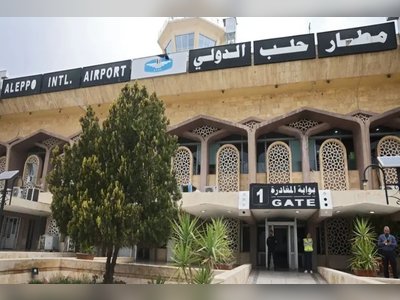
At the centre of the package is a Saudi-backed investment fund’s commitment of two billion dollars to develop two major airports in the northern city of Aleppo, a strategic step in modernising Syria’s aviation infrastructure and boosting connectivity.
The framework includes the launch of a low-cost airline, jointly supported by Saudi and Syrian partners, intended to expand access to domestic and international air travel and stimulate tourism and business traffic.
In parallel, the partners signed a nearly one billion-dollar telecommunications initiative known as SilkLink, led by a major Saudi telecom group, which is designed to equip Syria with extensive digital infrastructure.
The project envisages laying thousands of kilometres of fibre-optic cable to enhance connectivity between Asia and Europe, positioning Syria as a regional communication hub.
Syrian communications officials highlighted the scheme’s potential to transform the nation’s digital landscape and attract further investment.
Other elements of the investment package include agreements in the energy and water sectors, with plans for collaboration between Syrian authorities and a prominent Saudi power and utilities company on water treatment and transmission projects.
These investments are part of a broader pattern of engagement between Damascus and Riyadh; since mid-2025, the two countries have signed dozens of deals valued at over six billion dollars covering infrastructure, real estate, telecommunications, industry and finance, often backed by private-sector investors eager to participate in Syria’s revival.
Saudi Arabia’s expanding economic role in Syria follows the restoration of diplomatic relations and the lifting of many Western sanctions after the change in Syria’s leadership.
The influx of capital and project commitments signals confidence among Gulf investors in the future of the Syrian economy.
Syrian officials have framed the agreements as critical to rebuilding key sectors and creating jobs, while Saudi counterparts emphasise that the partnerships support sustainable development and deeper regional economic integration.
Observers note that converting memoranda of understanding into concrete, operational projects will be essential to translating political goodwill into tangible economic progress for ordinary Syrians.
The accords were finalised during high-level meetings in Damascus on February 7 2026, reflecting deepening economic cooperation between the two governments and aligning with broader regional efforts to integrate Syria into the global economy after long-standing sanctions were eased last year.
At the centre of the package is a Saudi-backed investment fund’s commitment of two billion dollars to develop two major airports in the northern city of Aleppo, a strategic step in modernising Syria’s aviation infrastructure and boosting connectivity.
The framework includes the launch of a low-cost airline, jointly supported by Saudi and Syrian partners, intended to expand access to domestic and international air travel and stimulate tourism and business traffic.
In parallel, the partners signed a nearly one billion-dollar telecommunications initiative known as SilkLink, led by a major Saudi telecom group, which is designed to equip Syria with extensive digital infrastructure.
The project envisages laying thousands of kilometres of fibre-optic cable to enhance connectivity between Asia and Europe, positioning Syria as a regional communication hub.
Syrian communications officials highlighted the scheme’s potential to transform the nation’s digital landscape and attract further investment.
Other elements of the investment package include agreements in the energy and water sectors, with plans for collaboration between Syrian authorities and a prominent Saudi power and utilities company on water treatment and transmission projects.
These investments are part of a broader pattern of engagement between Damascus and Riyadh; since mid-2025, the two countries have signed dozens of deals valued at over six billion dollars covering infrastructure, real estate, telecommunications, industry and finance, often backed by private-sector investors eager to participate in Syria’s revival.
Saudi Arabia’s expanding economic role in Syria follows the restoration of diplomatic relations and the lifting of many Western sanctions after the change in Syria’s leadership.
The influx of capital and project commitments signals confidence among Gulf investors in the future of the Syrian economy.
Syrian officials have framed the agreements as critical to rebuilding key sectors and creating jobs, while Saudi counterparts emphasise that the partnerships support sustainable development and deeper regional economic integration.
Observers note that converting memoranda of understanding into concrete, operational projects will be essential to translating political goodwill into tangible economic progress for ordinary Syrians.