Saudi Railways Achieves Landmark Year in 2025 with Record Passenger and Freight Volumes
The Kingdom’s rail network transports 14 million passengers and nearly 30 million tons of goods as transport sector expands under national logistics strategy
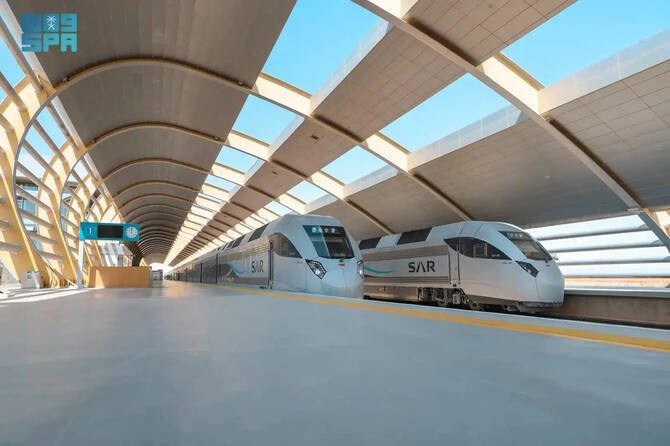
Saudi Arabia’s national rail operator has reported record performance for 2025, with more than fourteen million passengers carried across its intercity networks and nearly thirty million tons of freight and minerals moved by rail, highlighting the accelerating role of rail transport in the Kingdom’s logistics and economic landscape.
The figures, released by the Saudi Railway Company (SAR), reflect strong demand for both passenger mobility and freight services across major corridors, including the North Train, East Train and the Haramain High-Speed Railway, which connects the holy cities of Mecca and Medina.
Passenger operations in 2025 included over forty-five thousand train trips, with SAR services facilitating travel for millions of commuters and visitors.
During the 1446 AH Hajj season, the company played a vital role in moving pilgrims safely and efficiently, transporting approximately 1.8 million Hajj travellers as part of an integrated transport strategy designed to improve connectivity and safety during peak periods.
Freight activities underscored the network’s importance to industry and mining sectors, removing substantial volumes of goods from roadways and contributing to reductions in traffic congestion and environmental impact by lowering carbon emissions in line with national sustainability goals.
These operational records come amid broader implementation of Saudi Arabia’s National Transport and Logistics Strategy, which aims to position the Kingdom as a global logistics hub bridging three continents.
The railway sector’s growth supports key objectives of this strategy, including enhanced connectivity, increased capacity for goods movement and greater integration between different modes of transport.
The expanded rail footprint also dovetails with national efforts to diversify the economy away from oil reliance by strengthening infrastructure and enabling efficient domestic and international trade routes.
In addition to operational achievements, SAR continued to deepen international collaborations and participate in specialised rail transport forums, further integrating Saudi expertise into global transport discourse.
With continued investment in infrastructure and service quality, Saudi Arabia’s rail network is expected to sustain its upward trajectory, supporting economic diversification and improving quality of life for residents and visitors alike.
The figures, released by the Saudi Railway Company (SAR), reflect strong demand for both passenger mobility and freight services across major corridors, including the North Train, East Train and the Haramain High-Speed Railway, which connects the holy cities of Mecca and Medina.
Passenger operations in 2025 included over forty-five thousand train trips, with SAR services facilitating travel for millions of commuters and visitors.
During the 1446 AH Hajj season, the company played a vital role in moving pilgrims safely and efficiently, transporting approximately 1.8 million Hajj travellers as part of an integrated transport strategy designed to improve connectivity and safety during peak periods.
Freight activities underscored the network’s importance to industry and mining sectors, removing substantial volumes of goods from roadways and contributing to reductions in traffic congestion and environmental impact by lowering carbon emissions in line with national sustainability goals.
These operational records come amid broader implementation of Saudi Arabia’s National Transport and Logistics Strategy, which aims to position the Kingdom as a global logistics hub bridging three continents.
The railway sector’s growth supports key objectives of this strategy, including enhanced connectivity, increased capacity for goods movement and greater integration between different modes of transport.
The expanded rail footprint also dovetails with national efforts to diversify the economy away from oil reliance by strengthening infrastructure and enabling efficient domestic and international trade routes.
In addition to operational achievements, SAR continued to deepen international collaborations and participate in specialised rail transport forums, further integrating Saudi expertise into global transport discourse.
With continued investment in infrastructure and service quality, Saudi Arabia’s rail network is expected to sustain its upward trajectory, supporting economic diversification and improving quality of life for residents and visitors alike.