United States Hails Strategic Syria–Saudi Arabia Agreements as Catalyst for Reconstruction and Regional Stability
Washington welcomes multibillion-dollar accords between Damascus and Riyadh as economic and diplomatic shifts reshape post-conflict Syria
The United States has expressed strong support for the emerging strategic and economic agreements between Syria and Saudi Arabia, framing them as an opportunity to foster reconstruction and long-term regional stability.
On February seven, Syria and Saudi Arabia signed a series of multibillion-dollar investment agreements, covering key sectors such as telecommunications, transportation, water infrastructure and aviation, marking an important chapter in Syria’s post-conflict recovery efforts and regional reintegration.
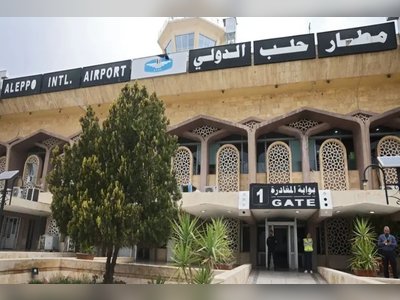
These deals, which include a near-billion-dollar telecommunications project linking the country into wider regional networks and the redevelopment of Aleppo’s international airport, reflect a broader pattern of engagement that the US sees as an important complement to diplomatic normalization and economic rebuilding following the lifting of many Western sanctions after the political transition in Damascus.
The agreements were concluded amid an evolving geopolitical landscape in which Washington has also strengthened its own strategic partnership with Saudi Arabia, underscored by enhanced defense cooperation and expanded economic ties that aim to bolster mutual security and economic growth.
US officials have indicated that facilitating sustainable investment, opening markets and supporting regional partners’ stability is central to broader efforts to reduce conflict and encourage sovereign economic development in the Middle East.
As heavy sanctions that once impeded capital flows to Syria have eased, the United States frames these Saudi-backed initiatives as a potentially stabilising force that could help integrate Syria into regional and global economic frameworks while addressing underlying causes of instability.
The unfolding cooperation between Damascus and Riyadh, interpreted alongside enduring US-Saudi strategic alignment, reflects multifaceted international engagement with Syria’s reconstruction and highlights the shifting dynamics of Middle East diplomacy and economic reengagement.
On February seven, Syria and Saudi Arabia signed a series of multibillion-dollar investment agreements, covering key sectors such as telecommunications, transportation, water infrastructure and aviation, marking an important chapter in Syria’s post-conflict recovery efforts and regional reintegration.
These deals, which include a near-billion-dollar telecommunications project linking the country into wider regional networks and the redevelopment of Aleppo’s international airport, reflect a broader pattern of engagement that the US sees as an important complement to diplomatic normalization and economic rebuilding following the lifting of many Western sanctions after the political transition in Damascus.
The agreements were concluded amid an evolving geopolitical landscape in which Washington has also strengthened its own strategic partnership with Saudi Arabia, underscored by enhanced defense cooperation and expanded economic ties that aim to bolster mutual security and economic growth.
US officials have indicated that facilitating sustainable investment, opening markets and supporting regional partners’ stability is central to broader efforts to reduce conflict and encourage sovereign economic development in the Middle East.
As heavy sanctions that once impeded capital flows to Syria have eased, the United States frames these Saudi-backed initiatives as a potentially stabilising force that could help integrate Syria into regional and global economic frameworks while addressing underlying causes of instability.
The unfolding cooperation between Damascus and Riyadh, interpreted alongside enduring US-Saudi strategic alignment, reflects multifaceted international engagement with Syria’s reconstruction and highlights the shifting dynamics of Middle East diplomacy and economic reengagement.