Five Key Takeaways From President Erdoğan’s Strategic Visit to Saudi Arabia
A rapprochement drive spanning economics, diplomacy and regional security marked Türkiye’s renewed engagement with Riyadh
President Recep Tayyip Erdoğan’s official visit to Saudi Arabia this week underlined both nations’ intent to deepen cooperation after years of cautious rapprochement.
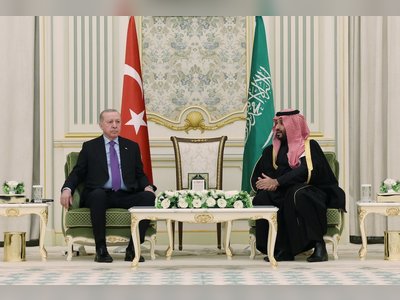
Erdoğan, accompanied by a senior delegation including foreign, finance and defence ministers, was given a formal reception in Riyadh by Crown Prince Mohammed bin Salman, reflecting a high-level commitment to reinvigorate ties.
The talks were framed as the first leg of a broader regional tour that will also take Erdoğan to Egypt, demonstrating Ankara’s integrated diplomatic outreach.
A central takeaway is the broadening of economic cooperation.
Both governments stressed expanding trade and investment opportunities, including aligning Saudi Arabia’s Vision 2030 objectives with Turkish industrial and technological strengths.
Business forums convened on the sidelines of the visit signalled significant interest in joint ventures spanning energy, transportation, manufacturing and digital transformation, as officials articulated a long-term agenda beyond ceremonial agreements.
Strategic collaboration on regional security emerged as another pillar of the visit.
Erdoğan publicly noted that relations with Riyadh carry strategic importance for enhancing peace, stability and prosperity across the Middle East, and he articulated Turkey’s readiness to support diplomatic efforts, including potential mediation between external powers such as the United States and Iran.
Discussions reportedly covered coordination on crisis zones such as Gaza and Syria, illustrating shared concern over conflict escalation.
The visit also highlighted defence and technological cooperation.
While details of specific agreements remain emerging, both sides expressed intent to pursue joint projects in defence industries and capacity building.
Saudi Arabia’s interest in leveraging Turkish expertise reflects broader diversification goals within its national industrial strategy, and Ankara’s defence sector stands to benefit from increased integration with Gulf markets.
Finally, Erdoğan’s statements during the visit signalled Ankara’s ambition to elevate bilateral ties beyond transactional diplomacy.
By invoking historical connections and shared regional responsibilities, the Turkish president framed the relationship as part of a strategic alliance for regional problem-solving.
The emphasis on concrete, sustainable projects suggested a shift from symbolic engagement toward practical, outcome-oriented cooperation that could endure broader geopolitical shifts.
Erdoğan, accompanied by a senior delegation including foreign, finance and defence ministers, was given a formal reception in Riyadh by Crown Prince Mohammed bin Salman, reflecting a high-level commitment to reinvigorate ties.
The talks were framed as the first leg of a broader regional tour that will also take Erdoğan to Egypt, demonstrating Ankara’s integrated diplomatic outreach.
A central takeaway is the broadening of economic cooperation.
Both governments stressed expanding trade and investment opportunities, including aligning Saudi Arabia’s Vision 2030 objectives with Turkish industrial and technological strengths.
Business forums convened on the sidelines of the visit signalled significant interest in joint ventures spanning energy, transportation, manufacturing and digital transformation, as officials articulated a long-term agenda beyond ceremonial agreements.
Strategic collaboration on regional security emerged as another pillar of the visit.
Erdoğan publicly noted that relations with Riyadh carry strategic importance for enhancing peace, stability and prosperity across the Middle East, and he articulated Turkey’s readiness to support diplomatic efforts, including potential mediation between external powers such as the United States and Iran.
Discussions reportedly covered coordination on crisis zones such as Gaza and Syria, illustrating shared concern over conflict escalation.
The visit also highlighted defence and technological cooperation.
While details of specific agreements remain emerging, both sides expressed intent to pursue joint projects in defence industries and capacity building.
Saudi Arabia’s interest in leveraging Turkish expertise reflects broader diversification goals within its national industrial strategy, and Ankara’s defence sector stands to benefit from increased integration with Gulf markets.
Finally, Erdoğan’s statements during the visit signalled Ankara’s ambition to elevate bilateral ties beyond transactional diplomacy.
By invoking historical connections and shared regional responsibilities, the Turkish president framed the relationship as part of a strategic alliance for regional problem-solving.
The emphasis on concrete, sustainable projects suggested a shift from symbolic engagement toward practical, outcome-oriented cooperation that could endure broader geopolitical shifts.