
Elite Southern Yemeni Fighters Shift Allegiance From UAE-Backed Forces to Saudi-Aligned Government Units
As the Southern Transitional Council’s influence collapses, key units pledge loyalty to Yemen’s Saudi-backed Presidential Leadership Council
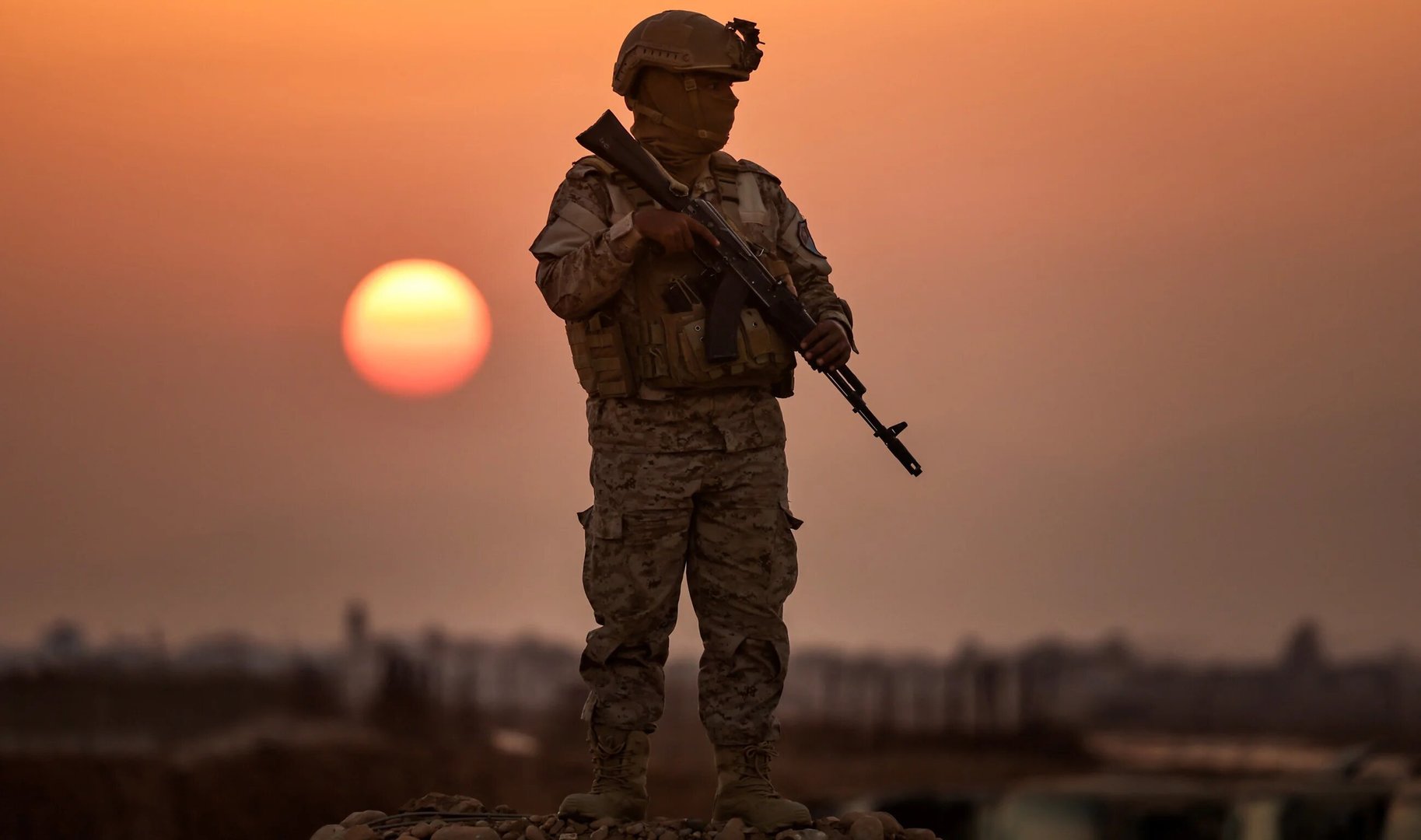
In a significant realignment of Yemeni military forces during the latest phase of the country’s prolonged conflict, several elite southern fighters formerly affiliated with the United Arab Emirates-supported Southern Transitional Council (STC) have abandoned their previous patronage and pledged allegiance to Yemen’s internationally recognised government under the Saudi-backed Presidential Leadership Council (PLC).
This shift has further consolidated Riyadh’s influence in southern Yemen and reflected the erosion of Abu Dhabi’s proxy footprint amid intra-coalition tensions.
The realignment follows a decisive counter-offensive led by Saudi-aligned PLC forces that reclaimed strategic governorates, including Hadramawt and al-Mahra, which had briefly fallen under STC control in late 2025. As Yemen’s national forces, supported by Saudi Arabia’s military, regained territory, elite units such as the Giants Brigades and elements of the Hadhramaut Protection Forces announced their allegiance to the central government, signalling a broader rejection of separatist leadership rooted in UAE patronage.
Residents in reclaimed areas reported that once-dominant STC symbols had been removed and replaced by the Yemeni national flag, symbolising the shift in authority and loyalty on the ground.
The collapse of STC control has been dramatic.
Following a poorly coordinated offensive launched in December 2025, the STC lost most of its territorial gains after fierce fighting with PLC-aligned units.
The Saudi-led coalition’s military pressure, combined with fractures in STC leadership, culminated in the flight of STC chief Aidarous al-Zubaidi to the United Arab Emirates and the subsequent dissolution of the STC as an effective fighting force.
As the STC’s authority crumbled, former loyalist fighters opted to align with the PLC to preserve stability in their regions and secure their positions within the new power structure.
Officials close to the Saudi-backed government have welcomed the shift, presenting it as both a tactical victory and a broader affirmation of Yemen’s territorial unity.
Local leaders in Hadramawt and neighbouring provinces have publicly supported the process of reintegrating elite forces into the national command and emphasised the importance of coordinated security operations to prevent further instability.
Observers say the defections underscore both the weakening influence of the UAE’s strategic proxy and the strengthening role of Riyadh in shaping Yemen’s post-conflict landscape.
While the humanitarian situation in Yemen remains grave after years of war, the consolidation of military authority under the PLC and the realignment of formerly opposed armed units offer a potential foundation for renewed political dialogue.
Riyadh has expressed commitment to facilitating talks that include all major Yemeni factions to stabilise the country and chart a more peaceful path forward.
This shift has further consolidated Riyadh’s influence in southern Yemen and reflected the erosion of Abu Dhabi’s proxy footprint amid intra-coalition tensions.
The realignment follows a decisive counter-offensive led by Saudi-aligned PLC forces that reclaimed strategic governorates, including Hadramawt and al-Mahra, which had briefly fallen under STC control in late 2025. As Yemen’s national forces, supported by Saudi Arabia’s military, regained territory, elite units such as the Giants Brigades and elements of the Hadhramaut Protection Forces announced their allegiance to the central government, signalling a broader rejection of separatist leadership rooted in UAE patronage.
Residents in reclaimed areas reported that once-dominant STC symbols had been removed and replaced by the Yemeni national flag, symbolising the shift in authority and loyalty on the ground.
The collapse of STC control has been dramatic.
Following a poorly coordinated offensive launched in December 2025, the STC lost most of its territorial gains after fierce fighting with PLC-aligned units.
The Saudi-led coalition’s military pressure, combined with fractures in STC leadership, culminated in the flight of STC chief Aidarous al-Zubaidi to the United Arab Emirates and the subsequent dissolution of the STC as an effective fighting force.
As the STC’s authority crumbled, former loyalist fighters opted to align with the PLC to preserve stability in their regions and secure their positions within the new power structure.
Officials close to the Saudi-backed government have welcomed the shift, presenting it as both a tactical victory and a broader affirmation of Yemen’s territorial unity.
Local leaders in Hadramawt and neighbouring provinces have publicly supported the process of reintegrating elite forces into the national command and emphasised the importance of coordinated security operations to prevent further instability.
Observers say the defections underscore both the weakening influence of the UAE’s strategic proxy and the strengthening role of Riyadh in shaping Yemen’s post-conflict landscape.
While the humanitarian situation in Yemen remains grave after years of war, the consolidation of military authority under the PLC and the realignment of formerly opposed armed units offer a potential foundation for renewed political dialogue.
Riyadh has expressed commitment to facilitating talks that include all major Yemeni factions to stabilise the country and chart a more peaceful path forward.