Saudi-UAE Tensions Poised to Recast Regional Alignments in Two Thousand Twenty-Six
Strategic divergence between Riyadh and Abu Dhabi is reshaping partnerships across the Middle East
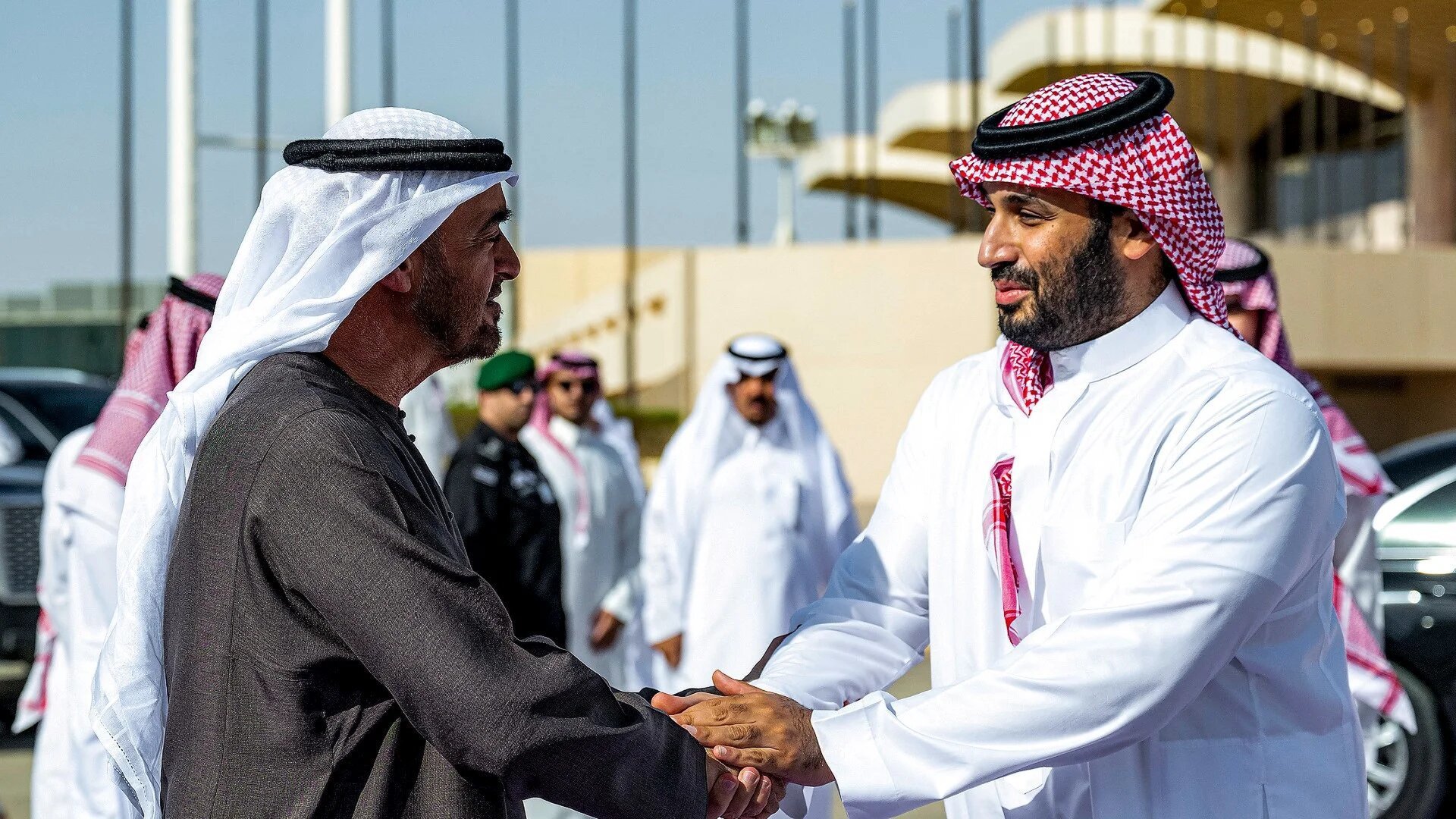
Growing strategic differences between Saudi Arabia and the United Arab Emirates are increasingly viewed as a force that could reshape regional alignments in two thousand twenty-six, as both countries pursue distinct national priorities despite years of close coordination.
While Riyadh and Abu Dhabi remain partners on many fronts, their diverging approaches to security, diplomacy and economic competition are altering the balance of relationships across the Middle East and beyond.
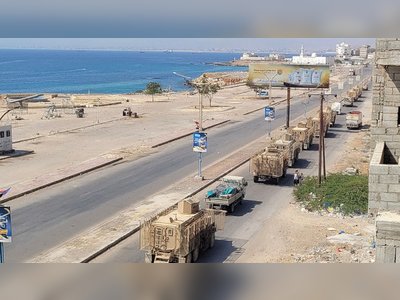
The tensions have become most visible in theatres such as Yemen, where local allies backed by the two Gulf powers have clashed, reflecting contrasting visions for political authority and long-term stability.
Saudi Arabia has focused on securing its borders and advancing a negotiated settlement that preserves a unified Yemeni state, while the United Arab Emirates has prioritised influence in strategic southern and coastal areas, including control over ports and counterterrorism operations.
Beyond conflict zones, competition has intensified in economic and diplomatic spheres.
Saudi Arabia’s push to attract multinational companies and position itself as the region’s primary commercial hub has occasionally conflicted with the UAE’s long-established role as a financial and logistics centre.
These rival ambitions have begun to influence how other regional states calibrate their relationships, weighing opportunities against the risk of being drawn into Gulf rivalries.
As two thousand twenty-six approaches, analysts say the evolving Saudi-UAE relationship is likely to encourage more fluid and transactional alliances across the region.
Rather than a single, unified Gulf bloc, partners may increasingly engage selectively with each power based on specific interests.
While open confrontation remains unlikely, the recalibration underway suggests a Middle East marked by more complex alignments, where cooperation and competition coexist and regional actors adjust to a less predictable balance of influence.
While Riyadh and Abu Dhabi remain partners on many fronts, their diverging approaches to security, diplomacy and economic competition are altering the balance of relationships across the Middle East and beyond.
The tensions have become most visible in theatres such as Yemen, where local allies backed by the two Gulf powers have clashed, reflecting contrasting visions for political authority and long-term stability.
Saudi Arabia has focused on securing its borders and advancing a negotiated settlement that preserves a unified Yemeni state, while the United Arab Emirates has prioritised influence in strategic southern and coastal areas, including control over ports and counterterrorism operations.
Beyond conflict zones, competition has intensified in economic and diplomatic spheres.
Saudi Arabia’s push to attract multinational companies and position itself as the region’s primary commercial hub has occasionally conflicted with the UAE’s long-established role as a financial and logistics centre.
These rival ambitions have begun to influence how other regional states calibrate their relationships, weighing opportunities against the risk of being drawn into Gulf rivalries.
As two thousand twenty-six approaches, analysts say the evolving Saudi-UAE relationship is likely to encourage more fluid and transactional alliances across the region.
Rather than a single, unified Gulf bloc, partners may increasingly engage selectively with each power based on specific interests.
While open confrontation remains unlikely, the recalibration underway suggests a Middle East marked by more complex alignments, where cooperation and competition coexist and regional actors adjust to a less predictable balance of influence.