Rival Yemeni Partners Backed by U.S. Allies Clash, Exposing Fault Lines in Coalition Strategy
Tensions between Saudi- and Emirati-aligned forces erupt into fighting, complicating efforts to stabilise Yemen
Fighting in Yemen has exposed a sharp rupture between two powerful United States allies, Saudi Arabia and the United Arab Emirates, whose local partners have come into direct conflict despite sharing broad strategic goals.
The clashes underscore the complexity of Yemen’s war, where overlapping alliances and divergent priorities have increasingly strained coordination within the coalition that intervened against the Houthi movement.
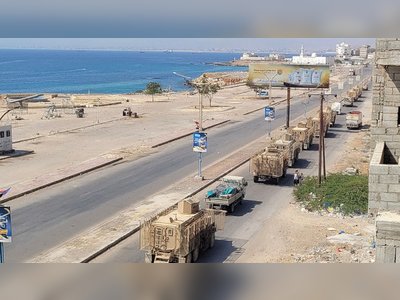
The violence has centred on confrontations between forces aligned with Yemen’s internationally recognised government, supported primarily by Saudi Arabia, and southern factions backed by the United Arab Emirates.
While both Riyadh and Abu Dhabi oppose Houthi control and have worked closely for years, their Yemeni partners differ over the country’s political future, particularly the balance of power between the central government and southern authorities seeking greater autonomy.
These tensions have periodically boiled over into open fighting, undermining efforts to present a unified front and complicating diplomatic initiatives aimed at de-escalation.
Analysts note that the UAE has prioritised counterterrorism operations and influence in southern and coastal regions, while Saudi Arabia has focused on restoring a central government capable of securing its border and negotiating an end to the conflict.
The clashes highlight the limits of external control over local actors and the challenges faced by allies attempting to manage complex civil wars through proxy forces.
As international mediators push for broader political talks, the rift between Saudi- and Emirati-backed groups remains a critical obstacle to lasting stability, illustrating how even closely aligned partners can find themselves on opposing sides of the battlefield in Yemen.
The clashes underscore the complexity of Yemen’s war, where overlapping alliances and divergent priorities have increasingly strained coordination within the coalition that intervened against the Houthi movement.
The violence has centred on confrontations between forces aligned with Yemen’s internationally recognised government, supported primarily by Saudi Arabia, and southern factions backed by the United Arab Emirates.
While both Riyadh and Abu Dhabi oppose Houthi control and have worked closely for years, their Yemeni partners differ over the country’s political future, particularly the balance of power between the central government and southern authorities seeking greater autonomy.
These tensions have periodically boiled over into open fighting, undermining efforts to present a unified front and complicating diplomatic initiatives aimed at de-escalation.
Analysts note that the UAE has prioritised counterterrorism operations and influence in southern and coastal regions, while Saudi Arabia has focused on restoring a central government capable of securing its border and negotiating an end to the conflict.
The clashes highlight the limits of external control over local actors and the challenges faced by allies attempting to manage complex civil wars through proxy forces.
As international mediators push for broader political talks, the rift between Saudi- and Emirati-backed groups remains a critical obstacle to lasting stability, illustrating how even closely aligned partners can find themselves on opposing sides of the battlefield in Yemen.