Saudi–UAE Rift Signals a Structural Break in Gulf Power Sharing
Recent disputes between Riyadh and Abu Dhabi reflect a shift from alliance-based cooperation to strategic competition over regional influence, security doctrine, and economic leadership across the Middle East.
The emerging tension between Saudi Arabia and the United Arab Emirates is not an isolated diplomatic dispute but the expression of a broader system-level shift in Gulf geopolitics, where two of the region’s most powerful states are increasingly competing rather than coordinating their regional roles.
What is confirmed in recent reporting is that the Saudi–UAE relationship has moved from close wartime alignment in conflicts such as Yemen into sustained strategic divergence.
The core issue is not a single incident but competing visions of regional order: Saudi Arabia’s effort to reassert hierarchical leadership in the Arab world versus the UAE’s more decentralized and interventionist model of influence built through regional partnerships, economic networks, and support for allied non-state actors.
In Yemen, this divergence has been most visible.
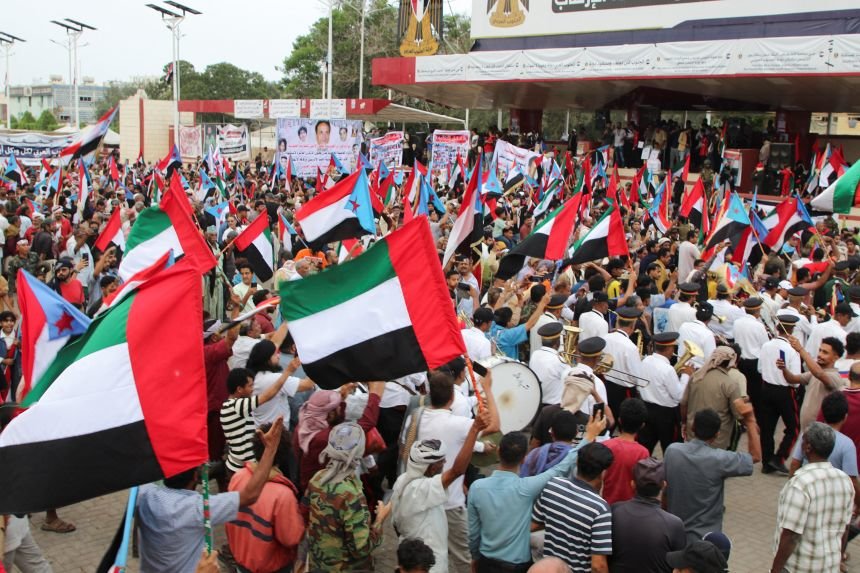
Saudi forces and UAE-backed local partners have repeatedly backed opposing political and military outcomes, particularly in southern Yemen, where Abu Dhabi-supported groups have pursued greater autonomy while Riyadh has sought to preserve a more centralized Yemeni state aligned with Saudi security interests.
Recent escalations included Saudi pressure against UAE-linked supply networks and political structures associated with southern separatist groups, signaling that competition has moved beyond coordination into active constraint of each other’s influence.
The rivalry is not confined to Yemen.
In Sudan and parts of the Horn of Africa, the two states have supported opposing local actors and political outcomes, each seeking influence over strategic ports, trade corridors, and security architectures along the Red Sea.
These competing alignments reflect a broader race for regional connectivity and maritime leverage, particularly around chokepoints critical to global energy and trade flows.
Economically, both countries are also competing for long-term leadership in diversification strategies.
Saudi Arabia’s Vision 2030 program aims to position the kingdom as the dominant investment and industrial hub of the Arab world, while the UAE—especially Dubai and Abu Dhabi—has sought to preserve its role as the region’s primary financial, logistics, and services center.
This creates structural tension: rather than complementary development paths, both economies increasingly target the same external capital, multinational firms, and strategic infrastructure projects.
What makes the current phase significant is not the existence of disagreement, which has long been managed within Gulf Cooperation Council frameworks, but the erosion of consensus over how influence should be exercised.
Saudi Arabia appears more willing to assert hierarchical leadership and restrict rival regional networks it views as destabilizing.
The UAE, by contrast, has expanded an independent foreign policy that prioritizes flexibility, rapid intervention, and diversified partnerships, including relationships that do not always align with Saudi preferences.
The implications extend beyond bilateral relations.
A sustained Saudi–UAE strategic split weakens the coherence of Gulf policy across multiple theaters, from Yemen and Sudan to energy coordination and maritime security in the Red Sea.
It also complicates external partnerships, as outside powers that historically relied on a unified Gulf position now face diverging priorities and competing security agendas within the region’s two most influential capitals.
The key development is that this is no longer a temporary disagreement managed within an alliance framework.
It is a structural competition over who defines regional order, how influence is exercised, and which economic and security models will dominate the post–oil transition era in the Gulf.
What is confirmed in recent reporting is that the Saudi–UAE relationship has moved from close wartime alignment in conflicts such as Yemen into sustained strategic divergence.
The core issue is not a single incident but competing visions of regional order: Saudi Arabia’s effort to reassert hierarchical leadership in the Arab world versus the UAE’s more decentralized and interventionist model of influence built through regional partnerships, economic networks, and support for allied non-state actors.
In Yemen, this divergence has been most visible.
Saudi forces and UAE-backed local partners have repeatedly backed opposing political and military outcomes, particularly in southern Yemen, where Abu Dhabi-supported groups have pursued greater autonomy while Riyadh has sought to preserve a more centralized Yemeni state aligned with Saudi security interests.
Recent escalations included Saudi pressure against UAE-linked supply networks and political structures associated with southern separatist groups, signaling that competition has moved beyond coordination into active constraint of each other’s influence.
The rivalry is not confined to Yemen.
In Sudan and parts of the Horn of Africa, the two states have supported opposing local actors and political outcomes, each seeking influence over strategic ports, trade corridors, and security architectures along the Red Sea.
These competing alignments reflect a broader race for regional connectivity and maritime leverage, particularly around chokepoints critical to global energy and trade flows.
Economically, both countries are also competing for long-term leadership in diversification strategies.
Saudi Arabia’s Vision 2030 program aims to position the kingdom as the dominant investment and industrial hub of the Arab world, while the UAE—especially Dubai and Abu Dhabi—has sought to preserve its role as the region’s primary financial, logistics, and services center.
This creates structural tension: rather than complementary development paths, both economies increasingly target the same external capital, multinational firms, and strategic infrastructure projects.
What makes the current phase significant is not the existence of disagreement, which has long been managed within Gulf Cooperation Council frameworks, but the erosion of consensus over how influence should be exercised.
Saudi Arabia appears more willing to assert hierarchical leadership and restrict rival regional networks it views as destabilizing.
The UAE, by contrast, has expanded an independent foreign policy that prioritizes flexibility, rapid intervention, and diversified partnerships, including relationships that do not always align with Saudi preferences.
The implications extend beyond bilateral relations.
A sustained Saudi–UAE strategic split weakens the coherence of Gulf policy across multiple theaters, from Yemen and Sudan to energy coordination and maritime security in the Red Sea.
It also complicates external partnerships, as outside powers that historically relied on a unified Gulf position now face diverging priorities and competing security agendas within the region’s two most influential capitals.
The key development is that this is no longer a temporary disagreement managed within an alliance framework.
It is a structural competition over who defines regional order, how influence is exercised, and which economic and security models will dominate the post–oil transition era in the Gulf.