
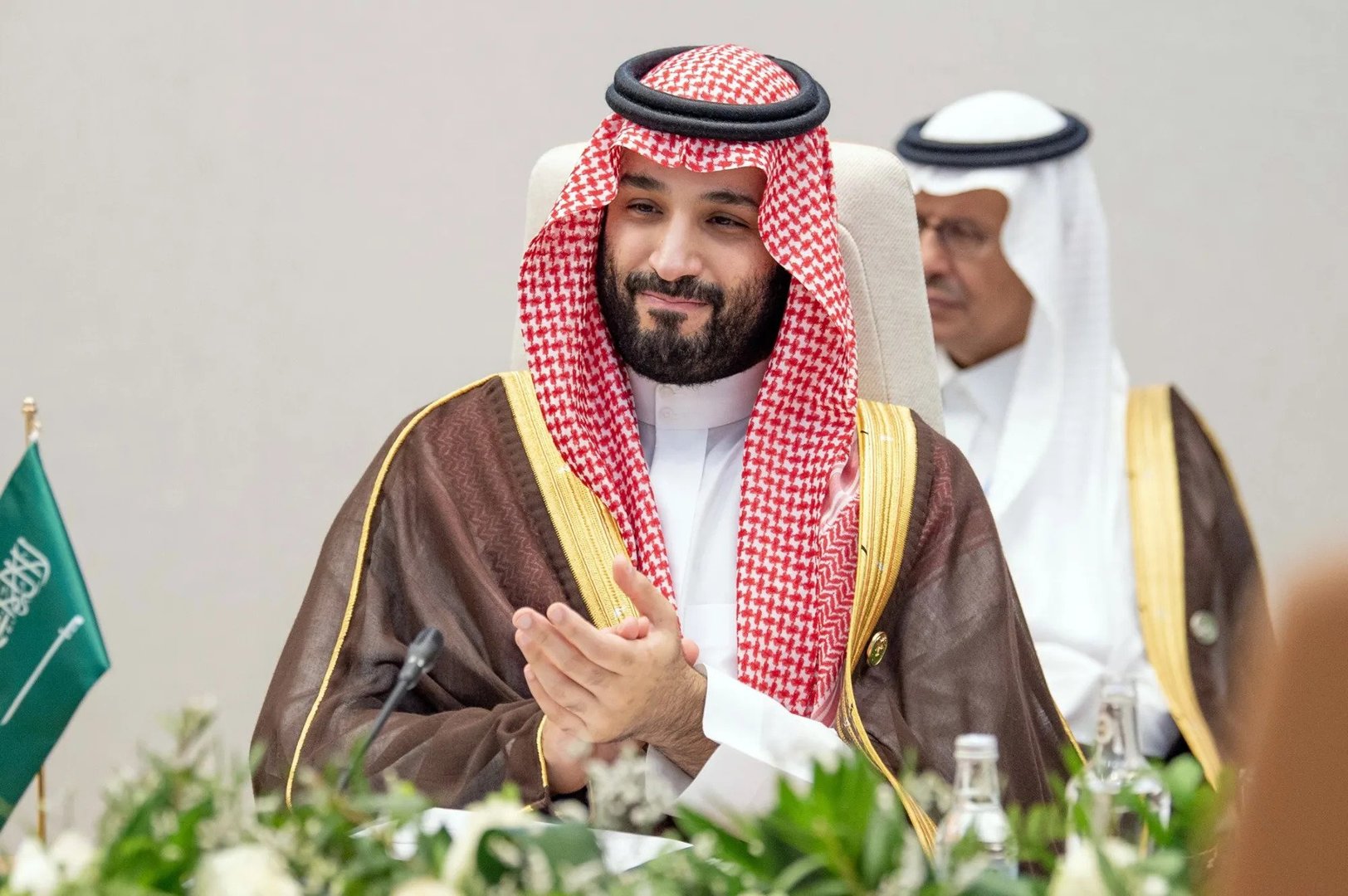
Saudi Crown Prince Unveils Sweeping Reforms to Attract Foreign Direct Investment and Open Markets
Riyadh eliminates key barriers for global capital, fully opens its capital market to overseas investors and accelerates economic liberalisation under Vision 2030
Saudi Arabia has launched a series of high-profile economic reforms designed to attract foreign direct investment (FDI), expand global capital inflows, and strengthen its position as an international business hub.
Central to these reforms is the full opening of the Kingdom’s capital market — effective from February first, two thousand twenty-six — allowing all categories of foreign investors to trade directly on the Tadawul All Share Index without prior qualification requirements previously mandated under the Qualified Foreign Investor regime.
This landmark change abolishes the old framework that restricted direct market access, streamlines regulatory hurdles and is expected to broaden participation, enhance liquidity and diversify investment flows into the Saudi market.
The liberalisation aligns with broader strategies aimed at deepening integration with global financial systems and supporting long-term economic transformation.
The regulatory shift removes barriers that had confined many overseas investors to indirect exposure through swap agreements or restricted status, enabling institutional, fund and retail investors to acquire shares in Saudi-listed companies directly, subject to foreign ownership limits in individual firms.
While aggregate foreign ownership remains capped — with non-resident investors generally limited to ten percent per company and overall foreign holdings not to exceed forty-nine percent — strategic investors may exceed standard thresholds under specific conditions.
Market participants anticipate this broader access will heighten investor interest in major Saudi equities, support deeper pricing dynamics and improve daily trading activity.
These reforms build on earlier legal and policy changes, including the updated Investment Law that entered into force in twenty-twenty-five, which streamlined licensing and strengthened protections for both domestic and foreign investors.
The cumulative effect of these measures is to reduce procedural barriers, improve transparency and align Saudi Arabia’s regulatory environment with international best practices, reinforcing confidence among global capital allocators.
FDI data underscores growing interest in the Kingdom: foreign investments reached over three trillion Saudi riyals by the first quarter of twenty-twenty-five, with notable contributions from both portfolio and direct investment segments.
Beyond capital market liberalisation, Saudi authorities are advancing complementary initiatives to expand investor appeal across sectors, including incentives for industrial sector investments and structural labour and business reforms aimed at enhancing competitiveness.
These reforms support the broader Vision 2030 agenda championed by Crown Prince Mohammed bin Salman, focused on diversifying the economy, reducing reliance on oil revenues and fostering sustainable, private-sector-led growth.
As the Kingdom transitions to a more open and globally integrated economy, policymakers emphasise that these reforms will help attract new sources of capital, stimulate job creation and underpin long-term productivity gains across Saudi Arabia’s expanding economic landscape.
Central to these reforms is the full opening of the Kingdom’s capital market — effective from February first, two thousand twenty-six — allowing all categories of foreign investors to trade directly on the Tadawul All Share Index without prior qualification requirements previously mandated under the Qualified Foreign Investor regime.
This landmark change abolishes the old framework that restricted direct market access, streamlines regulatory hurdles and is expected to broaden participation, enhance liquidity and diversify investment flows into the Saudi market.
The liberalisation aligns with broader strategies aimed at deepening integration with global financial systems and supporting long-term economic transformation.
The regulatory shift removes barriers that had confined many overseas investors to indirect exposure through swap agreements or restricted status, enabling institutional, fund and retail investors to acquire shares in Saudi-listed companies directly, subject to foreign ownership limits in individual firms.
While aggregate foreign ownership remains capped — with non-resident investors generally limited to ten percent per company and overall foreign holdings not to exceed forty-nine percent — strategic investors may exceed standard thresholds under specific conditions.
Market participants anticipate this broader access will heighten investor interest in major Saudi equities, support deeper pricing dynamics and improve daily trading activity.
These reforms build on earlier legal and policy changes, including the updated Investment Law that entered into force in twenty-twenty-five, which streamlined licensing and strengthened protections for both domestic and foreign investors.
The cumulative effect of these measures is to reduce procedural barriers, improve transparency and align Saudi Arabia’s regulatory environment with international best practices, reinforcing confidence among global capital allocators.
FDI data underscores growing interest in the Kingdom: foreign investments reached over three trillion Saudi riyals by the first quarter of twenty-twenty-five, with notable contributions from both portfolio and direct investment segments.
Beyond capital market liberalisation, Saudi authorities are advancing complementary initiatives to expand investor appeal across sectors, including incentives for industrial sector investments and structural labour and business reforms aimed at enhancing competitiveness.
These reforms support the broader Vision 2030 agenda championed by Crown Prince Mohammed bin Salman, focused on diversifying the economy, reducing reliance on oil revenues and fostering sustainable, private-sector-led growth.
As the Kingdom transitions to a more open and globally integrated economy, policymakers emphasise that these reforms will help attract new sources of capital, stimulate job creation and underpin long-term productivity gains across Saudi Arabia’s expanding economic landscape.