Saudi Crown Prince Signals Regional Backing as Iraq Moves Toward New Government Formation
Riyadh’s congratulatory message to Iraq’s prime minister-designate highlights shifting Gulf–Baghdad ties amid ongoing political negotiations in Iraq
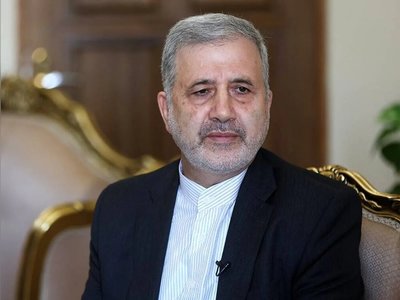
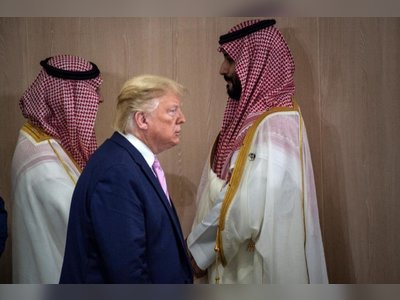
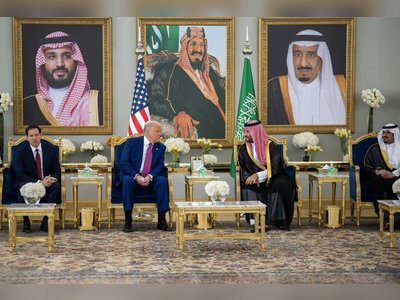
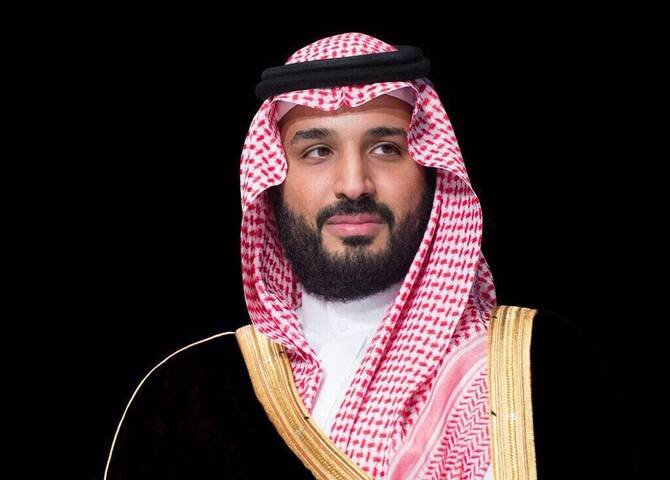
An emerging diplomatic transition in Iraq is being shaped by formal regional engagement, as Saudi Arabia’s crown prince issued a congratulatory message to Iraq’s prime minister-designate following his nomination to form a new government.
What is confirmed is that the Saudi crown prince extended official congratulations to Iraq’s newly designated prime minister, marking early regional recognition of the appointment.
The message reflects Saudi Arabia’s continued effort to maintain active diplomatic engagement with Iraq’s political leadership during periods of government formation.
The appointment of a prime minister-designate in Iraq occurs within a parliamentary system where coalition negotiations determine the final composition of government.
Following elections, political blocs in the Iraqi parliament negotiate to nominate a candidate capable of securing majority support for a cabinet.
The designation does not yet constitute full assumption of executive power, as the candidate must still form a government and win parliamentary approval.
The key issue is the regional significance of Iraq’s government formation process.
Iraq sits at the intersection of competing regional influences, including Iran, the Gulf states, and Western partners.
Saudi Arabia’s public endorsement signals an intent to remain engaged in Iraq’s political trajectory, particularly as Riyadh and Baghdad have worked in recent years to normalize relations after a long period of diplomatic distance.
Saudi–Iraqi relations have improved since the reopening of embassies and the expansion of economic and security dialogue.
Both countries have pursued investment and infrastructure cooperation, while also managing complex regional rivalries.
Saudi diplomatic messaging toward Iraqi leadership figures is often interpreted as an indicator of Riyadh’s preference for stability and balanced regional alignment in Baghdad’s governance.
At the same time, Iraq’s internal political process remains the decisive factor in government formation.
Coalition-building among Shiite, Sunni, and Kurdish blocs determines whether a prime minister-designate can secure parliamentary approval.
External endorsements, while politically meaningful, do not directly determine the outcome of domestic negotiations.
The congratulatory message also fits within broader Gulf diplomatic practice, where early recognition of leadership figures is used to signal readiness for continued bilateral cooperation.
For Iraq, which continues to navigate economic pressures, security challenges, and reconstruction needs, regional support is a critical factor in attracting investment and stabilizing governance structures.
The formation of a new Iraqi government will determine the country’s policy direction on energy, security cooperation, and foreign investment.
Saudi Arabia’s engagement suggests a continued interest in shaping a cooperative regional framework with Baghdad, even as Iraq balances relationships with multiple external partners.
What is confirmed is that the Saudi crown prince extended official congratulations to Iraq’s newly designated prime minister, marking early regional recognition of the appointment.
The message reflects Saudi Arabia’s continued effort to maintain active diplomatic engagement with Iraq’s political leadership during periods of government formation.
The appointment of a prime minister-designate in Iraq occurs within a parliamentary system where coalition negotiations determine the final composition of government.
Following elections, political blocs in the Iraqi parliament negotiate to nominate a candidate capable of securing majority support for a cabinet.
The designation does not yet constitute full assumption of executive power, as the candidate must still form a government and win parliamentary approval.
The key issue is the regional significance of Iraq’s government formation process.
Iraq sits at the intersection of competing regional influences, including Iran, the Gulf states, and Western partners.
Saudi Arabia’s public endorsement signals an intent to remain engaged in Iraq’s political trajectory, particularly as Riyadh and Baghdad have worked in recent years to normalize relations after a long period of diplomatic distance.
Saudi–Iraqi relations have improved since the reopening of embassies and the expansion of economic and security dialogue.
Both countries have pursued investment and infrastructure cooperation, while also managing complex regional rivalries.
Saudi diplomatic messaging toward Iraqi leadership figures is often interpreted as an indicator of Riyadh’s preference for stability and balanced regional alignment in Baghdad’s governance.
At the same time, Iraq’s internal political process remains the decisive factor in government formation.
Coalition-building among Shiite, Sunni, and Kurdish blocs determines whether a prime minister-designate can secure parliamentary approval.
External endorsements, while politically meaningful, do not directly determine the outcome of domestic negotiations.
The congratulatory message also fits within broader Gulf diplomatic practice, where early recognition of leadership figures is used to signal readiness for continued bilateral cooperation.
For Iraq, which continues to navigate economic pressures, security challenges, and reconstruction needs, regional support is a critical factor in attracting investment and stabilizing governance structures.
The formation of a new Iraqi government will determine the country’s policy direction on energy, security cooperation, and foreign investment.
Saudi Arabia’s engagement suggests a continued interest in shaping a cooperative regional framework with Baghdad, even as Iraq balances relationships with multiple external partners.