Iran Signals De-escalation With Saudi Arabia as Regional Tensions Test Fragile Rapprochement
Tehran’s ambassador in Riyadh reiterates commitment to lowering tensions, underscoring a cautious thaw in relations shaped by Gaza war spillover risks and Gulf security recalibration
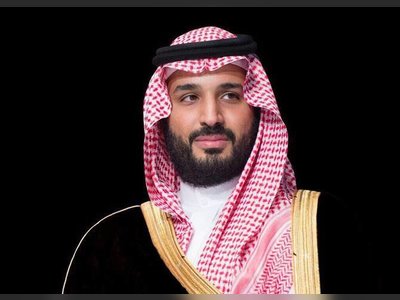
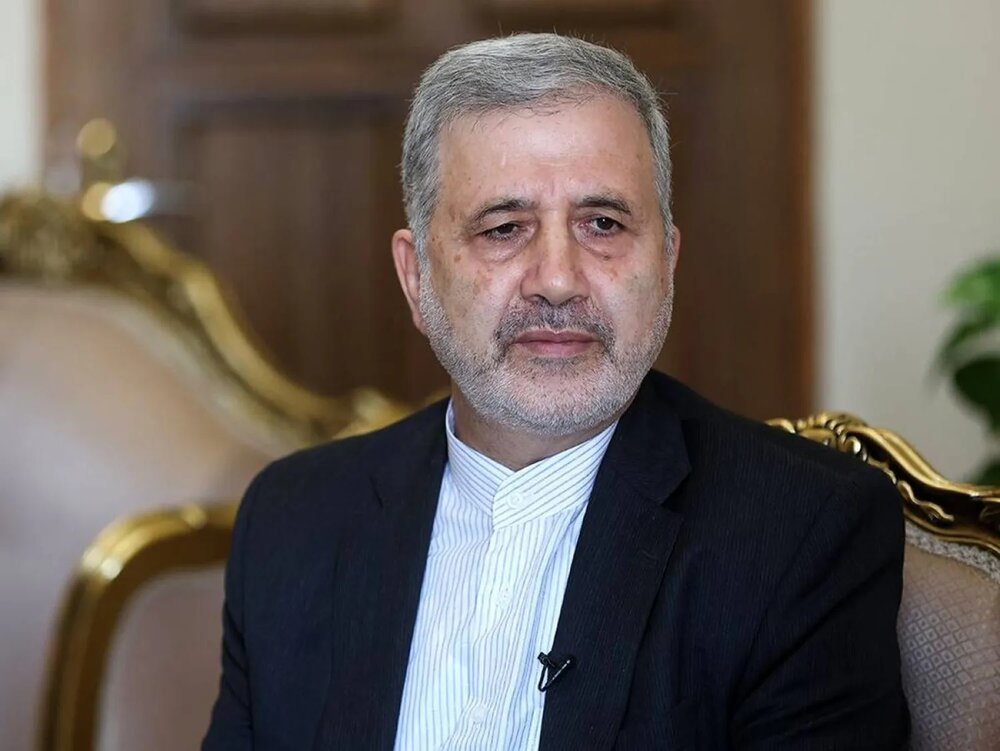
An ACTOR-DRIVEN diplomatic signal from Iran’s ambassador to Saudi Arabia, emphasizing Riyadh’s continued commitment to de-escalation, reflects a carefully managed effort by both countries to stabilize relations after years of direct rivalry and regional proxy conflict.
The remarks attributed to Iran’s envoy in Riyadh highlight a broader diplomatic framework established in 2023 when Iran and Saudi Arabia restored formal relations following a years-long rupture.
That agreement, brokered with external mediation, reopened embassies and reactivated security and economic channels that had been frozen since 2016.
At the center of the current messaging is a shared interest in preventing regional escalation from spilling further into Gulf security.
Both countries have faced pressure from overlapping crises, including maritime insecurity in the Red Sea and Gulf of Oman, instability linked to the Gaza conflict, and concerns over potential escalation involving Iran-backed and Western-aligned forces in the wider Middle East theater.
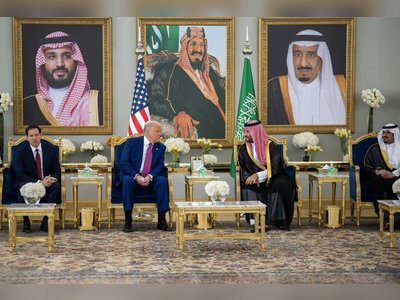
Saudi Arabia’s strategic priority in this period has been to reduce direct confrontation risks while maintaining its security partnership with the United States and pursuing economic transformation under its long-term diversification agenda.
Iran, meanwhile, has sought to reduce diplomatic isolation and limit the risk of expanded military confrontation while preserving its regional influence network.
The ambassador’s emphasis on de-escalation reflects a continuation of this pragmatic balance.
What is confirmed is that both governments have kept diplomatic channels open and have engaged in periodic consultations on regional stability, even as broader geopolitical tensions remain unresolved.
The mechanism of de-escalation between the two states operates less through formal alliance structures and more through managed signaling, indirect communication, and issue-specific coordination.
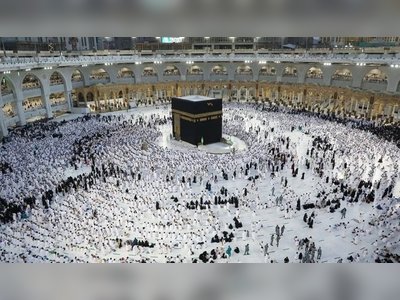
This includes maritime security discussions, pilgrimage arrangements, and limited economic engagement, all designed to prevent localized crises from escalating into direct interstate conflict.
Despite the diplomatic thaw, structural tensions remain embedded in regional security dynamics.
Iran’s network of allied non-state actors across the Middle East continues to be a source of friction with Gulf and Western-aligned states, while Saudi Arabia’s deep security ties with the United States and evolving relations with Israel introduce additional layers of strategic complexity.
The current phase of Iran–Saudi relations can be characterized as cautious stabilization rather than strategic alignment.
Both sides are actively managing risks rather than resolving underlying geopolitical disagreements.
The focus is on containment: limiting escalation, maintaining communication, and avoiding miscalculation in an already volatile regional environment.
The broader implication of the ambassador’s statement is that neither Tehran nor Riyadh currently benefits from renewed confrontation.
Instead, both appear committed to preserving a working diplomatic baseline that allows them to navigate overlapping crises without direct conflict, even as the wider Middle East remains structurally unstable.
The remarks attributed to Iran’s envoy in Riyadh highlight a broader diplomatic framework established in 2023 when Iran and Saudi Arabia restored formal relations following a years-long rupture.
That agreement, brokered with external mediation, reopened embassies and reactivated security and economic channels that had been frozen since 2016.
At the center of the current messaging is a shared interest in preventing regional escalation from spilling further into Gulf security.
Both countries have faced pressure from overlapping crises, including maritime insecurity in the Red Sea and Gulf of Oman, instability linked to the Gaza conflict, and concerns over potential escalation involving Iran-backed and Western-aligned forces in the wider Middle East theater.
Saudi Arabia’s strategic priority in this period has been to reduce direct confrontation risks while maintaining its security partnership with the United States and pursuing economic transformation under its long-term diversification agenda.
Iran, meanwhile, has sought to reduce diplomatic isolation and limit the risk of expanded military confrontation while preserving its regional influence network.
The ambassador’s emphasis on de-escalation reflects a continuation of this pragmatic balance.
What is confirmed is that both governments have kept diplomatic channels open and have engaged in periodic consultations on regional stability, even as broader geopolitical tensions remain unresolved.
The mechanism of de-escalation between the two states operates less through formal alliance structures and more through managed signaling, indirect communication, and issue-specific coordination.
This includes maritime security discussions, pilgrimage arrangements, and limited economic engagement, all designed to prevent localized crises from escalating into direct interstate conflict.
Despite the diplomatic thaw, structural tensions remain embedded in regional security dynamics.
Iran’s network of allied non-state actors across the Middle East continues to be a source of friction with Gulf and Western-aligned states, while Saudi Arabia’s deep security ties with the United States and evolving relations with Israel introduce additional layers of strategic complexity.
The current phase of Iran–Saudi relations can be characterized as cautious stabilization rather than strategic alignment.
Both sides are actively managing risks rather than resolving underlying geopolitical disagreements.
The focus is on containment: limiting escalation, maintaining communication, and avoiding miscalculation in an already volatile regional environment.
The broader implication of the ambassador’s statement is that neither Tehran nor Riyadh currently benefits from renewed confrontation.
Instead, both appear committed to preserving a working diplomatic baseline that allows them to navigate overlapping crises without direct conflict, even as the wider Middle East remains structurally unstable.