Saudi Crown Prince Condemns Iran’s Actions in High-Stakes Call With UAE Leadership Amid Regional Tensions
The conversation underscores deepening Gulf coordination as Iran-linked regional escalations continue to strain security dynamics across the Middle East
The evolving security architecture of the Middle East is increasingly shaped by ACTOR-DRIVEN diplomacy among Gulf monarchies responding to heightened regional tensions involving Iran, with Saudi Arabia and the United Arab Emirates coordinating closely on threat assessments and political messaging.
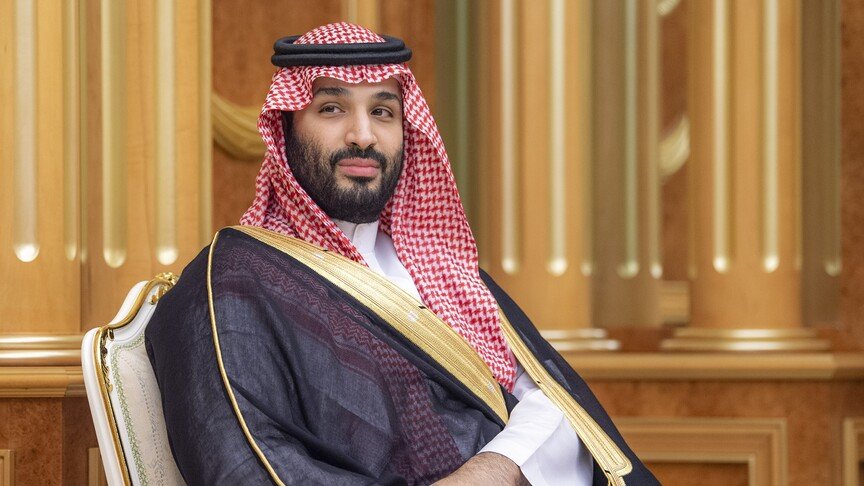
What is confirmed is that Saudi Arabia’s Crown Prince Mohammed bin Salman held a phone call with the President of the United Arab Emirates in which he strongly condemned recent Iranian actions described as attacks or destabilizing conduct in the region.
The call reflects continued high-level engagement between the two Gulf powers on regional security issues, particularly those linked to Iran’s military and proxy activities.
The specific nature of the “attacks” referenced in the discussion has not been publicly detailed in full operational terms in official summaries of the call.
However, regional reporting and government statements in recent periods have consistently pointed to a pattern of maritime disruptions, missile activity, and proxy-linked incidents across multiple theaters, including the Gulf waters and surrounding conflict zones.
The Saudi–UAE coordination is part of a broader strategic alignment that has strengthened over the past decade, particularly in response to shared concerns over Iranian regional influence.
Both countries view Iran’s network of allied non-state actors and its capacity to project force beyond its borders as central challenges to regional stability and maritime security.
Diplomatic communication between Riyadh and Abu Dhabi increasingly serves as a mechanism for aligning positions on security incidents, energy infrastructure protection, and regional conflict management.
These consultations often precede or accompany coordinated positions in multilateral forums and joint security initiatives.
The broader geopolitical context includes sustained tensions between Iran and several Gulf states over nuclear policy disputes, regional proxy conflicts, and maritime security in critical shipping corridors.
Even when direct military confrontation is avoided, the region experiences recurring cycles of escalation and deterrence signaling that affect global energy markets and shipping insurance costs.
Saudi Arabia and the UAE have both expanded their defense cooperation with external partners in recent years while simultaneously strengthening bilateral coordination.
This dual-track strategy reflects an effort to balance deterrence capacity with diplomatic flexibility in a volatile regional environment.
The significance of the latest call lies less in its procedural nature and more in its signaling function.
Public condemnation of Iranian actions by senior Gulf leadership reinforces a shared narrative of threat perception and consolidates political alignment between Riyadh and Abu Dhabi at a time of heightened regional sensitivity.
The immediate implication is continued consolidation of Gulf Arab strategic positions in response to Iranian regional activity, with sustained emphasis on deterrence, diplomatic coordination, and protection of critical infrastructure and maritime routes.
What is confirmed is that Saudi Arabia’s Crown Prince Mohammed bin Salman held a phone call with the President of the United Arab Emirates in which he strongly condemned recent Iranian actions described as attacks or destabilizing conduct in the region.
The call reflects continued high-level engagement between the two Gulf powers on regional security issues, particularly those linked to Iran’s military and proxy activities.
The specific nature of the “attacks” referenced in the discussion has not been publicly detailed in full operational terms in official summaries of the call.
However, regional reporting and government statements in recent periods have consistently pointed to a pattern of maritime disruptions, missile activity, and proxy-linked incidents across multiple theaters, including the Gulf waters and surrounding conflict zones.
The Saudi–UAE coordination is part of a broader strategic alignment that has strengthened over the past decade, particularly in response to shared concerns over Iranian regional influence.
Both countries view Iran’s network of allied non-state actors and its capacity to project force beyond its borders as central challenges to regional stability and maritime security.
Diplomatic communication between Riyadh and Abu Dhabi increasingly serves as a mechanism for aligning positions on security incidents, energy infrastructure protection, and regional conflict management.
These consultations often precede or accompany coordinated positions in multilateral forums and joint security initiatives.
The broader geopolitical context includes sustained tensions between Iran and several Gulf states over nuclear policy disputes, regional proxy conflicts, and maritime security in critical shipping corridors.
Even when direct military confrontation is avoided, the region experiences recurring cycles of escalation and deterrence signaling that affect global energy markets and shipping insurance costs.
Saudi Arabia and the UAE have both expanded their defense cooperation with external partners in recent years while simultaneously strengthening bilateral coordination.
This dual-track strategy reflects an effort to balance deterrence capacity with diplomatic flexibility in a volatile regional environment.
The significance of the latest call lies less in its procedural nature and more in its signaling function.
Public condemnation of Iranian actions by senior Gulf leadership reinforces a shared narrative of threat perception and consolidates political alignment between Riyadh and Abu Dhabi at a time of heightened regional sensitivity.
The immediate implication is continued consolidation of Gulf Arab strategic positions in response to Iranian regional activity, with sustained emphasis on deterrence, diplomatic coordination, and protection of critical infrastructure and maritime routes.