Saudi Arabia Urges De-escalation as US–Iran Tensions Risk Wider Regional Conflict
Riyadh moves to contain fallout after reported US–Iran clashes intensify fears of a broader Middle East confrontation involving Gulf security, maritime routes, and proxy forces.
The current crisis is driven by a SYSTEM-DRIVEN breakdown in regional security architecture across the Middle East, where direct and indirect confrontation between the United States and Iran is increasingly destabilizing established deterrence frameworks and pulling neighboring states into rapid diplomatic and military recalibration.
What is confirmed is that Saudi Arabia has publicly called for de-escalation following a sharp rise in tensions linked to reported US–Iran clashes.
The statement reflects growing concern in Riyadh that the conflict trajectory could expand beyond contained proxy engagements into direct regional confrontation affecting Gulf states’ security and economic stability.
The escalation context involves a series of military and political flashpoints involving Iranian-aligned forces, US military assets in the region, and allied regional actors.
These include repeated incidents in maritime corridors, airspace alerts, and cross-border strikes in theaters where Iranian-backed groups operate.
The cumulative effect has been to erode the informal boundaries that previously limited direct state-to-state confrontation.
Saudi Arabia’s position is shaped by its dual exposure to the crisis.
On one side, it shares proximity to key potential escalation zones, including the Persian Gulf and critical shipping routes.
On the other, it is deeply integrated into global energy markets that are highly sensitive to disruption in regional stability.
This has driven Riyadh to adopt a consistent public stance favoring restraint and diplomatic containment.
The United States and Iran remain locked in a broader strategic confrontation spanning sanctions, military deterrence, cyber operations, and influence over regional allies.
While neither side has formally declared direct war, repeated exchanges involving military assets and aligned groups have narrowed the margin for miscalculation.
Each incident increases the risk that localized clashes could escalate into a wider conflict involving state-level retaliation.
Regional actors beyond Saudi Arabia have also intensified diplomatic activity.
Gulf Cooperation Council states have reinforced coordination on missile defense, air surveillance, and maritime security, reflecting a shared assessment that spillover risk is rising.
At the same time, diplomatic channels remain active, with multiple intermediaries attempting to prevent further escalation through backchannel communication.
The economic dimension is central to the stakes.
Any sustained escalation between US and Iranian forces carries immediate implications for global energy markets, shipping insurance costs, and supply chain stability.
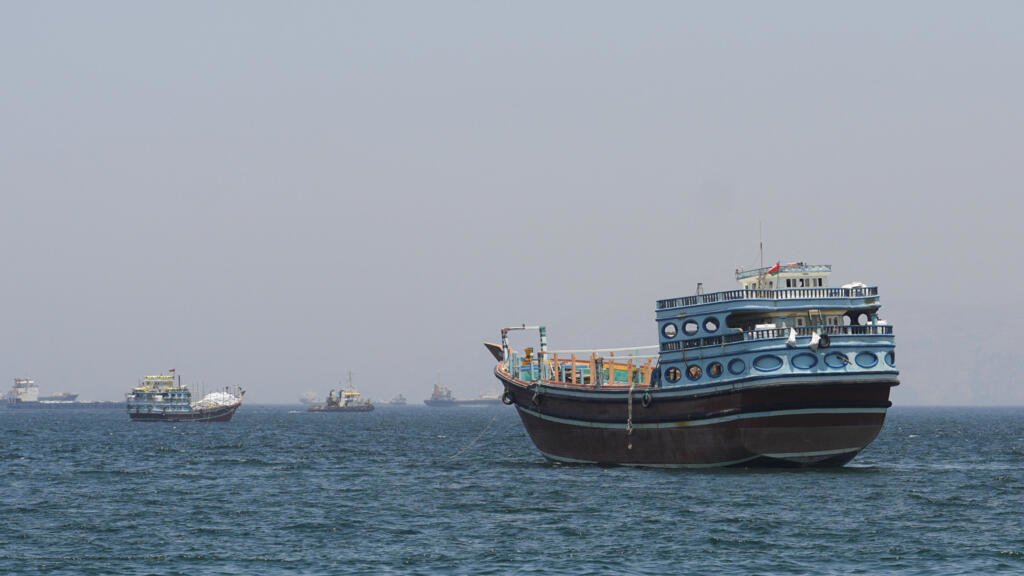
Even limited disruptions in the Strait of Hormuz or adjacent waterways can generate rapid price volatility in oil and gas markets, underscoring why Gulf states are prioritizing containment.
What is confirmed is that Saudi Arabia has explicitly called for de-escalation in response to heightened US–Iran tensions and is aligning its diplomatic posture toward preventing further regional spillover.
The immediate trajectory will depend on whether military incidents subside or whether retaliatory cycles continue to expand across multiple theaters, increasing pressure on Gulf states to move from diplomacy to active security coordination.
What is confirmed is that Saudi Arabia has publicly called for de-escalation following a sharp rise in tensions linked to reported US–Iran clashes.
The statement reflects growing concern in Riyadh that the conflict trajectory could expand beyond contained proxy engagements into direct regional confrontation affecting Gulf states’ security and economic stability.
The escalation context involves a series of military and political flashpoints involving Iranian-aligned forces, US military assets in the region, and allied regional actors.
These include repeated incidents in maritime corridors, airspace alerts, and cross-border strikes in theaters where Iranian-backed groups operate.
The cumulative effect has been to erode the informal boundaries that previously limited direct state-to-state confrontation.
Saudi Arabia’s position is shaped by its dual exposure to the crisis.
On one side, it shares proximity to key potential escalation zones, including the Persian Gulf and critical shipping routes.
On the other, it is deeply integrated into global energy markets that are highly sensitive to disruption in regional stability.
This has driven Riyadh to adopt a consistent public stance favoring restraint and diplomatic containment.
The United States and Iran remain locked in a broader strategic confrontation spanning sanctions, military deterrence, cyber operations, and influence over regional allies.
While neither side has formally declared direct war, repeated exchanges involving military assets and aligned groups have narrowed the margin for miscalculation.
Each incident increases the risk that localized clashes could escalate into a wider conflict involving state-level retaliation.
Regional actors beyond Saudi Arabia have also intensified diplomatic activity.
Gulf Cooperation Council states have reinforced coordination on missile defense, air surveillance, and maritime security, reflecting a shared assessment that spillover risk is rising.
At the same time, diplomatic channels remain active, with multiple intermediaries attempting to prevent further escalation through backchannel communication.
The economic dimension is central to the stakes.
Any sustained escalation between US and Iranian forces carries immediate implications for global energy markets, shipping insurance costs, and supply chain stability.
Even limited disruptions in the Strait of Hormuz or adjacent waterways can generate rapid price volatility in oil and gas markets, underscoring why Gulf states are prioritizing containment.
What is confirmed is that Saudi Arabia has explicitly called for de-escalation in response to heightened US–Iran tensions and is aligning its diplomatic posture toward preventing further regional spillover.
The immediate trajectory will depend on whether military incidents subside or whether retaliatory cycles continue to expand across multiple theaters, increasing pressure on Gulf states to move from diplomacy to active security coordination.