Saudi Arabia’s Bid for Electronic Arts Triggers Industry-Wide Alarm Over Gaming’s Future
Gamers and developers push back against a potential sovereign wealth takeover of EA, raising concerns about creative control, consolidation, and political influence in global gaming.
A SYSTEM-DRIVEN shift in the global video game industry is intensifying scrutiny of Saudi Arabia’s expanding investment strategy, as opposition grows to reports that the kingdom is exploring a bid to acquire Electronic Arts, one of the world’s largest gaming publishers.
What is confirmed is that Saudi Arabia’s Public Investment Fund (PIF) has steadily expanded its presence in the gaming and esports sectors over the past several years, acquiring stakes in major companies including Nintendo, Activision Blizzard prior to its Microsoft acquisition, and multiple esports organizations.
The fund has also built a broad domestic and international gaming ecosystem strategy tied to economic diversification under its Vision 2030 program.
However, there is no confirmed finalized acquisition of Electronic Arts, and the reported bid remains uncompleted and not formally agreed.
The reaction from gamers, developers, and industry commentators stems from the scale of Electronic Arts’ influence.
EA controls major global franchises including sports simulations and large-scale multiplayer titles that shape both competitive gaming and mainstream entertainment culture.
Any acquisition by a sovereign wealth fund would place significant creative, operational, and strategic control of these franchises under state-linked ownership, raising questions about editorial independence, monetization strategy, and long-term content direction.
Critics argue that such a takeover would represent an unprecedented consolidation of cultural production under a single state-backed investor in the gaming sector.
Concerns center on the potential for influence over content themes, licensing decisions, and community governance, as well as the broader precedent of sovereign wealth funds acquiring culturally influential media platforms.
Supporters of foreign investment counter that capital inflows can stabilize large-scale game development, which increasingly requires multi-billion-dollar budgets and long production cycles.
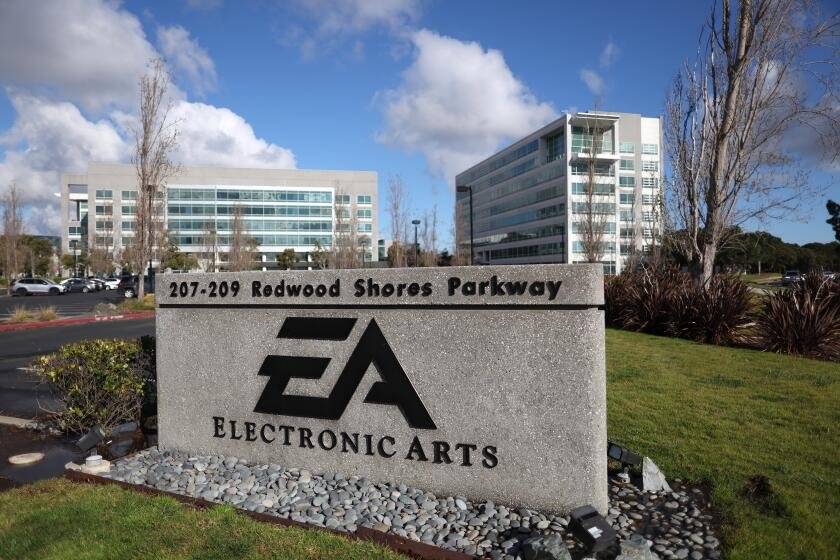
Electronic Arts itself operates as a major publicly traded company with a portfolio that includes global sports titles, competitive online franchises, and narrative-driven games.
Its business model relies heavily on live-service monetization, digital distribution, and recurring engagement economies.
Any ownership transition of this scale would likely reshape its financial structure, long-term development pipeline, and relationships with platform holders and licensing partners.
The controversy also reflects a broader structural trend in gaming: the consolidation of major studios under fewer, larger corporate or state-linked entities.
Over the past decade, the industry has seen aggressive mergers and acquisitions driven by rising development costs and the strategic value of intellectual property.
The proposed interest in Electronic Arts is seen by critics as an extension of that consolidation wave, but with added geopolitical dimensions due to Saudi Arabia’s sovereign backing.
Regulatory scrutiny would likely be significant in any formal acquisition attempt, particularly in the United States and Europe, where competition authorities increasingly evaluate large media and technology deals through the lens of market concentration and cultural influence.
Past gaming acquisitions have already faced prolonged reviews, and a transaction involving Electronic Arts would likely trigger one of the most complex approval processes in the sector’s history.
For now, the situation remains at the level of reported interest and public reaction rather than a completed transaction.
What is clear is that the mere possibility of a Saudi-backed takeover of Electronic Arts has already become a focal point for debate over who controls the infrastructure of modern entertainment, and how far sovereign capital should extend into global cultural industries.
What is confirmed is that Saudi Arabia’s Public Investment Fund (PIF) has steadily expanded its presence in the gaming and esports sectors over the past several years, acquiring stakes in major companies including Nintendo, Activision Blizzard prior to its Microsoft acquisition, and multiple esports organizations.
The fund has also built a broad domestic and international gaming ecosystem strategy tied to economic diversification under its Vision 2030 program.
However, there is no confirmed finalized acquisition of Electronic Arts, and the reported bid remains uncompleted and not formally agreed.
The reaction from gamers, developers, and industry commentators stems from the scale of Electronic Arts’ influence.
EA controls major global franchises including sports simulations and large-scale multiplayer titles that shape both competitive gaming and mainstream entertainment culture.
Any acquisition by a sovereign wealth fund would place significant creative, operational, and strategic control of these franchises under state-linked ownership, raising questions about editorial independence, monetization strategy, and long-term content direction.
Critics argue that such a takeover would represent an unprecedented consolidation of cultural production under a single state-backed investor in the gaming sector.
Concerns center on the potential for influence over content themes, licensing decisions, and community governance, as well as the broader precedent of sovereign wealth funds acquiring culturally influential media platforms.
Supporters of foreign investment counter that capital inflows can stabilize large-scale game development, which increasingly requires multi-billion-dollar budgets and long production cycles.
Electronic Arts itself operates as a major publicly traded company with a portfolio that includes global sports titles, competitive online franchises, and narrative-driven games.
Its business model relies heavily on live-service monetization, digital distribution, and recurring engagement economies.
Any ownership transition of this scale would likely reshape its financial structure, long-term development pipeline, and relationships with platform holders and licensing partners.
The controversy also reflects a broader structural trend in gaming: the consolidation of major studios under fewer, larger corporate or state-linked entities.
Over the past decade, the industry has seen aggressive mergers and acquisitions driven by rising development costs and the strategic value of intellectual property.
The proposed interest in Electronic Arts is seen by critics as an extension of that consolidation wave, but with added geopolitical dimensions due to Saudi Arabia’s sovereign backing.
Regulatory scrutiny would likely be significant in any formal acquisition attempt, particularly in the United States and Europe, where competition authorities increasingly evaluate large media and technology deals through the lens of market concentration and cultural influence.
Past gaming acquisitions have already faced prolonged reviews, and a transaction involving Electronic Arts would likely trigger one of the most complex approval processes in the sector’s history.
For now, the situation remains at the level of reported interest and public reaction rather than a completed transaction.
What is clear is that the mere possibility of a Saudi-backed takeover of Electronic Arts has already become a focal point for debate over who controls the infrastructure of modern entertainment, and how far sovereign capital should extend into global cultural industries.