White House Scrambles for Gas-price Relief as Iran War Drags On
US President Donald Trump and his administration scramble to contain economic fallout of war with Iran, as hopes for a quick resolution fade.
The White House is scrambling to contain the economic and political fallout of the ongoing war with Iran.
According to three sources familiar with internal discussions at the White House, officials are running low on options to address rising gas prices.
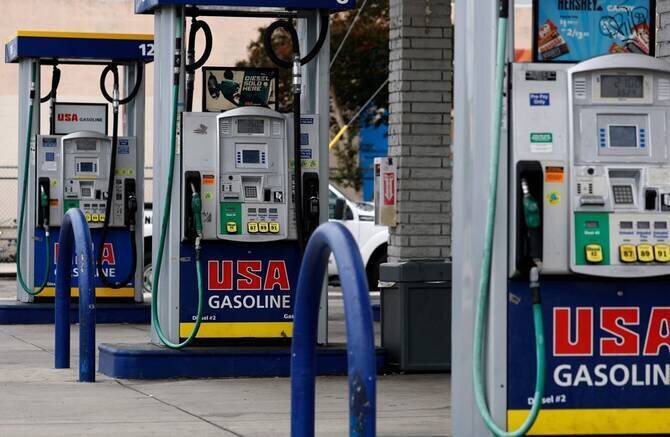
US President Donald Trump has backed suspending the federal gas tax, which would reduce fuel prices by 18 cents per gallon.
Historically, $4-per-gallon gasoline has been a level that triggers public backlash and economic anxiety.
The recent war has seen consumer sentiment dip to record lows and consumer inflation surge to 3.8 percent in April, the highest in nearly three years.
More than six in ten Americans say their household finances have been affected by higher gas prices.
The administration is concerned about the potential economic impact of the war on the upcoming midterm elections.
They are also studying market data to gauge if gas prices could climb to $5 per gallon.
White House spokeswoman Taylor Rogers stated that the administration had anticipated the disruptions caused by the war and was prepared with a plan to mitigate its impact.
The administration's concerns have deepened as US oil and fuel exports have surged to records, drawing down US inventories at a time when they typically rise.
Energy prices have spiked since Iran cut off access to the Strait of Hormuz, causing companies ranging from airlines to McDonald's to see the effects.
Trump has called the price increases a "small price to pay" for efforts to prevent Iran from acquiring a nuclear weapon.
The gas tax proposal was initially considered a fallback but gained traction in recent weeks as the ceasefire track faltered and officials concluded that a policy pivot was necessary.
However, Congress still needs to approve the proposed suspension of the federal gas tax, which has so far been met with mixed reactions from Republican lawmakers.
According to three sources familiar with internal discussions at the White House, officials are running low on options to address rising gas prices.
US President Donald Trump has backed suspending the federal gas tax, which would reduce fuel prices by 18 cents per gallon.
Historically, $4-per-gallon gasoline has been a level that triggers public backlash and economic anxiety.
The recent war has seen consumer sentiment dip to record lows and consumer inflation surge to 3.8 percent in April, the highest in nearly three years.
More than six in ten Americans say their household finances have been affected by higher gas prices.
The administration is concerned about the potential economic impact of the war on the upcoming midterm elections.
They are also studying market data to gauge if gas prices could climb to $5 per gallon.
White House spokeswoman Taylor Rogers stated that the administration had anticipated the disruptions caused by the war and was prepared with a plan to mitigate its impact.
The administration's concerns have deepened as US oil and fuel exports have surged to records, drawing down US inventories at a time when they typically rise.
Energy prices have spiked since Iran cut off access to the Strait of Hormuz, causing companies ranging from airlines to McDonald's to see the effects.
Trump has called the price increases a "small price to pay" for efforts to prevent Iran from acquiring a nuclear weapon.
The gas tax proposal was initially considered a fallback but gained traction in recent weeks as the ceasefire track faltered and officials concluded that a policy pivot was necessary.
However, Congress still needs to approve the proposed suspension of the federal gas tax, which has so far been met with mixed reactions from Republican lawmakers.