Saudi Arabia retains its grip as top destination for skilled Filipino workers despite Middle East conflict risks
Even amid regional war tensions linked to the Iran conflict, Saudi Arabia continues to attract the largest share of skilled Filipino labor due to structural demand, wage advantages, and established migration systems
A system-driven labor migration dynamic continues to anchor Saudi Arabia as the leading destination for skilled Filipino workers, even as geopolitical instability tied to the broader Iran-centered conflict has disrupted parts of the Middle East and increased risk perceptions among migrant communities.
What is confirmed is that Saudi Arabia remains the single largest employer of overseas Filipino workers, including nurses, engineers, technicians, and construction professionals.
Recent migration data and labor deployment figures indicate that the Kingdom continues to host over a million Filipino workers, making it the most significant labor market for the Philippines abroad.
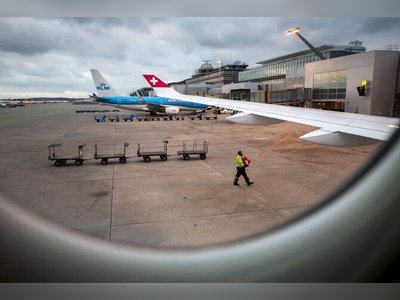
The flow has persisted despite temporary disruptions in air travel and regional security concerns linked to escalating tensions in the Gulf.
The Iran-related conflict has created intermittent operational shocks across the region, including airspace closures, flight suspensions, and temporary repatriation efforts affecting thousands of migrant workers.
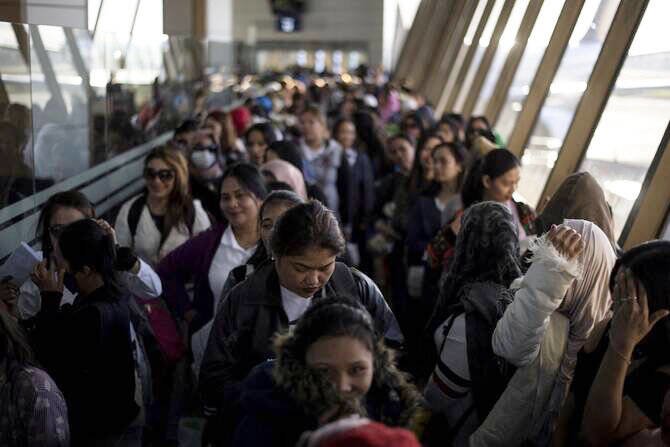
Filipino authorities have facilitated return flights for workers in high-risk zones, particularly from parts of the Gulf and nearby conflict-adjacent areas.
However, these disruptions have not fundamentally altered long-term migration demand patterns.
The key mechanism sustaining Saudi Arabia’s position is structural labor demand combined with wage differentials.
The Kingdom’s ongoing economic transformation agenda requires sustained inflows of foreign labor across healthcare, construction, infrastructure development, and service industries.
Filipino workers are particularly concentrated in nursing and technical roles, where demand remains high and recruitment pipelines are already institutionalized.
Even during periods of heightened geopolitical tension, recruitment activity has continued.
Employers in Saudi Arabia have maintained hiring channels for skilled workers, especially in healthcare sectors, where staffing needs are persistent and difficult to replace domestically.
This continuity reflects a labor system that is partially insulated from short-term political shocks due to long-term workforce planning.
At the same time, the conflict environment has introduced friction into deployment logistics.
Airspace restrictions and temporary suspension of certain recruitment flows have slowed outbound migration at points of peak tension.
Some workers already in the region have opted for repatriation assistance, particularly from areas closer to conflict flashpoints.
These movements, however, remain limited relative to the overall scale of the Filipino workforce in the Kingdom.
Saudi Arabia’s dominance is reinforced by economic incentives.
Tax-free salaries, employer-provided housing in many sectors, and structured recruitment channels make it the most financially attractive destination for many Filipino workers compared to alternative markets.
These conditions continue to outweigh perceived security risks for a large portion of applicants.
Other regional labor destinations, including the United Arab Emirates, Qatar, Kuwait, and Israel, have experienced more visible disruption due to their proximity to affected zones or tighter exposure to airspace and security constraints.
In contrast, Saudi Arabia’s larger labor market and diversified internal geography have allowed it to absorb shocks more effectively.
The Philippines itself remains structurally dependent on outbound labor migration, with overseas remittances forming a key component of household income and macroeconomic stability.
This dependence reinforces continuous labor supply even during periods of external instability, as workers and recruitment agencies adjust timing rather than exit the system.
The implication of this pattern is that geopolitical shocks in the Middle East are reshaping short-term migration logistics but not the underlying hierarchy of labor destinations.
Saudi Arabia remains structurally embedded as the central hub for skilled Filipino employment, and the current conflict has not displaced its position as the dominant destination in the regional labor market.
What is confirmed is that Saudi Arabia remains the single largest employer of overseas Filipino workers, including nurses, engineers, technicians, and construction professionals.
Recent migration data and labor deployment figures indicate that the Kingdom continues to host over a million Filipino workers, making it the most significant labor market for the Philippines abroad.
The flow has persisted despite temporary disruptions in air travel and regional security concerns linked to escalating tensions in the Gulf.
The Iran-related conflict has created intermittent operational shocks across the region, including airspace closures, flight suspensions, and temporary repatriation efforts affecting thousands of migrant workers.
Filipino authorities have facilitated return flights for workers in high-risk zones, particularly from parts of the Gulf and nearby conflict-adjacent areas.
However, these disruptions have not fundamentally altered long-term migration demand patterns.
The key mechanism sustaining Saudi Arabia’s position is structural labor demand combined with wage differentials.
The Kingdom’s ongoing economic transformation agenda requires sustained inflows of foreign labor across healthcare, construction, infrastructure development, and service industries.
Filipino workers are particularly concentrated in nursing and technical roles, where demand remains high and recruitment pipelines are already institutionalized.
Even during periods of heightened geopolitical tension, recruitment activity has continued.
Employers in Saudi Arabia have maintained hiring channels for skilled workers, especially in healthcare sectors, where staffing needs are persistent and difficult to replace domestically.
This continuity reflects a labor system that is partially insulated from short-term political shocks due to long-term workforce planning.
At the same time, the conflict environment has introduced friction into deployment logistics.
Airspace restrictions and temporary suspension of certain recruitment flows have slowed outbound migration at points of peak tension.
Some workers already in the region have opted for repatriation assistance, particularly from areas closer to conflict flashpoints.
These movements, however, remain limited relative to the overall scale of the Filipino workforce in the Kingdom.
Saudi Arabia’s dominance is reinforced by economic incentives.
Tax-free salaries, employer-provided housing in many sectors, and structured recruitment channels make it the most financially attractive destination for many Filipino workers compared to alternative markets.
These conditions continue to outweigh perceived security risks for a large portion of applicants.
Other regional labor destinations, including the United Arab Emirates, Qatar, Kuwait, and Israel, have experienced more visible disruption due to their proximity to affected zones or tighter exposure to airspace and security constraints.
In contrast, Saudi Arabia’s larger labor market and diversified internal geography have allowed it to absorb shocks more effectively.
The Philippines itself remains structurally dependent on outbound labor migration, with overseas remittances forming a key component of household income and macroeconomic stability.
This dependence reinforces continuous labor supply even during periods of external instability, as workers and recruitment agencies adjust timing rather than exit the system.
The implication of this pattern is that geopolitical shocks in the Middle East are reshaping short-term migration logistics but not the underlying hierarchy of labor destinations.
Saudi Arabia remains structurally embedded as the central hub for skilled Filipino employment, and the current conflict has not displaced its position as the dominant destination in the regional labor market.