Saudi Arabia Raises the Price of Recognition by Demanding an ‘Irreversible’ Path to Palestinian Statehood
Riyadh’s insistence that normalization with Israel requires a guaranteed pathway toward a Palestinian state reflects how the Gaza war fundamentally reshaped Arab diplomacy, regional legitimacy and the future of the Abraham Accords.
Saudi Arabia’s position on normalization with Israel is fundamentally actor-driven because Crown Prince Mohammed bin Salman and the Saudi leadership now view Palestinian statehood as essential to preserving the kingdom’s regional legitimacy, strategic leverage and leadership role in the Islamic world.
Saudi officials stated that normalization with Israel will only become possible through what they describe as an “irreversible pathway” toward the creation of a Palestinian state.
The language marks one of the clearest public indications yet that Riyadh hardened its conditions for recognition following the Gaza war.
What is confirmed is that Saudi Arabia continues linking diplomatic recognition of Israel to the establishment of a credible and enforceable political process leading toward Palestinian sovereignty.
Saudi diplomats and senior officials increasingly emphasize that symbolic gestures or temporary arrangements are insufficient.
The wording matters.
By demanding an “irreversible” process rather than vague negotiations, Saudi Arabia is signaling that it no longer trusts temporary diplomatic formulas that can later be delayed, reversed or politically abandoned.
This reflects the collapse of confidence in earlier peace frameworks.
For decades, Middle East diplomacy revolved around negotiations theoretically aimed at a two-state solution while Israeli settlement expansion, fragmented Palestinian governance and repeated cycles of violence steadily undermined prospects for a viable Palestinian state.
The Gaza war accelerated that breakdown.
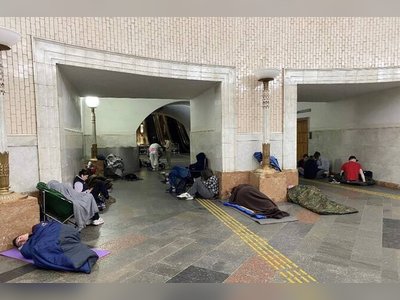
Israel’s military campaign following the Hamas attacks of October two thousand twenty-three triggered widespread destruction, mass displacement and a severe humanitarian crisis inside Gaza.
The scale of the conflict transformed public opinion across the Arab and Muslim world and forced regional governments to recalibrate their political positions.
Before the war, Saudi Arabia and the United States were actively discussing a potential normalization agreement with Israel.
The proposed arrangement reportedly involved American defense guarantees for Riyadh, deeper military cooperation, support for a Saudi civilian nuclear program and expanded economic integration.
At that stage, many regional analysts believed formal Saudi-Israeli normalization had become increasingly likely.
The war changed the political cost.
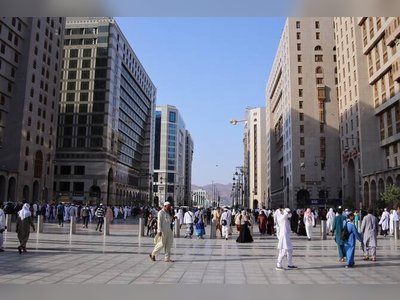
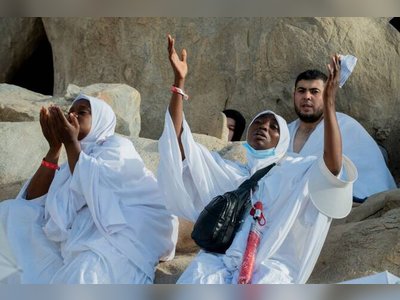
Saudi Arabia occupies a unique position in the Muslim world because it is home to Islam’s holiest sites and sees itself as a central political and religious leader across the Arab and Islamic sphere.
Any recognition of Israel without visible progress for Palestinians now carries substantial reputational risk for the Saudi leadership.
This is particularly important for Mohammed bin Salman.
The crown prince built his leadership around economic modernization, state centralization and a nationalist vision of Saudi transformation through the Vision twenty thirty agenda.
But despite major social reforms, the monarchy still depends heavily on religious legitimacy and regional influence.
The Palestinian issue therefore remains strategically sensitive.
Saudi leaders understand that normalization with Israel while Gaza remains devastated and Palestinian political aspirations remain blocked could weaken Riyadh’s standing both domestically and internationally.
The kingdom’s tougher language also reflects frustration with Israel’s current political direction.
Prime Minister Benjamin Netanyahu’s governing coalition includes hardline nationalist and religious parties strongly opposed to Palestinian statehood.
Several members of the coalition openly support expanding Israeli control over Palestinian territories and reject the framework traditionally associated with a two-state solution.
That creates a structural diplomatic problem.
Saudi Arabia publicly insists on a Palestinian political horizon.
Israel’s governing coalition remains politically resistant to offering one.
The result is a widening gap between the two sides.
The United States remains central to the negotiations.
Washington still views Saudi-Israeli normalization as one of the most strategically important diplomatic objectives in the Middle East because it would deepen Israeli integration into the Arab world while strengthening an American-aligned regional security architecture.
Both the Biden administration and Donald Trump’s political network strongly supported expansion of the Abraham Accords, though through somewhat different diplomatic styles.
For Washington, Saudi recognition of Israel would represent a transformative geopolitical achievement.
Saudi Arabia is not simply another Gulf monarchy.
Its economic scale, religious influence, energy power and regional weight make it the most consequential possible Arab partner for Israel.
Recognition from Riyadh would likely encourage broader normalization momentum across parts of the Muslim world.
But Saudi Arabia now appears determined to maximize leverage.
The kingdom understands that both Washington and Israel place enormous strategic value on normalization.
By insisting on an irreversible pathway to statehood, Riyadh raises the political and diplomatic price of any future agreement.
This does not necessarily mean Saudi Arabia abandoned normalization permanently.
Behind the scenes, Saudi and Israeli strategic interests still overlap in several areas including concerns over Iran, regional missile threats, maritime security and technological cooperation.
Quiet communication channels are widely believed to continue.
However, formal recognition now depends increasingly on whether Saudi leaders can demonstrate that Palestinian interests were meaningfully addressed.
The broader regional environment also changed.
The Abraham Accords were initially built during a period when several Arab governments increasingly prioritized security cooperation, technology partnerships and anti-Iran coordination over the Palestinian issue.
The Gaza war reversed that trend.
Public anger across Arab societies pushed the Palestinian issue back to the center of regional diplomacy after years of relative diplomatic marginalization.
That shift affects not only Saudi Arabia but the wider Middle East.
Governments that normalized relations with Israel under the Abraham Accords faced public criticism during the Gaza conflict, while states considering future recognition became more cautious.
The conflict also intensified international debate over the long-term viability of Palestinian statehood itself.
Several Western governments increasingly argue that reconstruction, security stabilization and regional normalization cannot succeed without a credible political framework for Palestinian self-determination.
At the same time, Israeli security concerns hardened sharply after the Hamas attacks.
This creates one of the central contradictions shaping the current diplomatic environment.
Israel argues that security control is necessary after the attacks.
Arab governments increasingly argue that denying Palestinians a viable political future guarantees recurring instability.
Saudi Arabia’s use of the phrase “irreversible pathway” therefore carries significance beyond diplomatic wording.
It reflects a broader attempt by Riyadh to redefine the terms of normalization after the Gaza war fundamentally changed regional political realities.
The practical consequence is that Saudi-Israeli normalization is no longer being discussed merely as a bilateral diplomatic breakthrough.
It has become tied directly to the future structure of the Palestinian question, the legitimacy of Arab leadership, the balance of power in the Middle East and the broader struggle over what political order emerges from the region’s most destabilizing conflict in years.
Saudi officials stated that normalization with Israel will only become possible through what they describe as an “irreversible pathway” toward the creation of a Palestinian state.
The language marks one of the clearest public indications yet that Riyadh hardened its conditions for recognition following the Gaza war.
What is confirmed is that Saudi Arabia continues linking diplomatic recognition of Israel to the establishment of a credible and enforceable political process leading toward Palestinian sovereignty.
Saudi diplomats and senior officials increasingly emphasize that symbolic gestures or temporary arrangements are insufficient.
The wording matters.
By demanding an “irreversible” process rather than vague negotiations, Saudi Arabia is signaling that it no longer trusts temporary diplomatic formulas that can later be delayed, reversed or politically abandoned.
This reflects the collapse of confidence in earlier peace frameworks.
For decades, Middle East diplomacy revolved around negotiations theoretically aimed at a two-state solution while Israeli settlement expansion, fragmented Palestinian governance and repeated cycles of violence steadily undermined prospects for a viable Palestinian state.
The Gaza war accelerated that breakdown.
Israel’s military campaign following the Hamas attacks of October two thousand twenty-three triggered widespread destruction, mass displacement and a severe humanitarian crisis inside Gaza.
The scale of the conflict transformed public opinion across the Arab and Muslim world and forced regional governments to recalibrate their political positions.
Before the war, Saudi Arabia and the United States were actively discussing a potential normalization agreement with Israel.
The proposed arrangement reportedly involved American defense guarantees for Riyadh, deeper military cooperation, support for a Saudi civilian nuclear program and expanded economic integration.
At that stage, many regional analysts believed formal Saudi-Israeli normalization had become increasingly likely.
The war changed the political cost.
Saudi Arabia occupies a unique position in the Muslim world because it is home to Islam’s holiest sites and sees itself as a central political and religious leader across the Arab and Islamic sphere.
Any recognition of Israel without visible progress for Palestinians now carries substantial reputational risk for the Saudi leadership.
This is particularly important for Mohammed bin Salman.
The crown prince built his leadership around economic modernization, state centralization and a nationalist vision of Saudi transformation through the Vision twenty thirty agenda.
But despite major social reforms, the monarchy still depends heavily on religious legitimacy and regional influence.
The Palestinian issue therefore remains strategically sensitive.
Saudi leaders understand that normalization with Israel while Gaza remains devastated and Palestinian political aspirations remain blocked could weaken Riyadh’s standing both domestically and internationally.
The kingdom’s tougher language also reflects frustration with Israel’s current political direction.
Prime Minister Benjamin Netanyahu’s governing coalition includes hardline nationalist and religious parties strongly opposed to Palestinian statehood.
Several members of the coalition openly support expanding Israeli control over Palestinian territories and reject the framework traditionally associated with a two-state solution.
That creates a structural diplomatic problem.
Saudi Arabia publicly insists on a Palestinian political horizon.
Israel’s governing coalition remains politically resistant to offering one.
The result is a widening gap between the two sides.
The United States remains central to the negotiations.
Washington still views Saudi-Israeli normalization as one of the most strategically important diplomatic objectives in the Middle East because it would deepen Israeli integration into the Arab world while strengthening an American-aligned regional security architecture.
Both the Biden administration and Donald Trump’s political network strongly supported expansion of the Abraham Accords, though through somewhat different diplomatic styles.
For Washington, Saudi recognition of Israel would represent a transformative geopolitical achievement.
Saudi Arabia is not simply another Gulf monarchy.
Its economic scale, religious influence, energy power and regional weight make it the most consequential possible Arab partner for Israel.
Recognition from Riyadh would likely encourage broader normalization momentum across parts of the Muslim world.
But Saudi Arabia now appears determined to maximize leverage.
The kingdom understands that both Washington and Israel place enormous strategic value on normalization.
By insisting on an irreversible pathway to statehood, Riyadh raises the political and diplomatic price of any future agreement.
This does not necessarily mean Saudi Arabia abandoned normalization permanently.
Behind the scenes, Saudi and Israeli strategic interests still overlap in several areas including concerns over Iran, regional missile threats, maritime security and technological cooperation.
Quiet communication channels are widely believed to continue.
However, formal recognition now depends increasingly on whether Saudi leaders can demonstrate that Palestinian interests were meaningfully addressed.
The broader regional environment also changed.
The Abraham Accords were initially built during a period when several Arab governments increasingly prioritized security cooperation, technology partnerships and anti-Iran coordination over the Palestinian issue.
The Gaza war reversed that trend.
Public anger across Arab societies pushed the Palestinian issue back to the center of regional diplomacy after years of relative diplomatic marginalization.
That shift affects not only Saudi Arabia but the wider Middle East.
Governments that normalized relations with Israel under the Abraham Accords faced public criticism during the Gaza conflict, while states considering future recognition became more cautious.
The conflict also intensified international debate over the long-term viability of Palestinian statehood itself.
Several Western governments increasingly argue that reconstruction, security stabilization and regional normalization cannot succeed without a credible political framework for Palestinian self-determination.
At the same time, Israeli security concerns hardened sharply after the Hamas attacks.
This creates one of the central contradictions shaping the current diplomatic environment.
Israel argues that security control is necessary after the attacks.
Arab governments increasingly argue that denying Palestinians a viable political future guarantees recurring instability.
Saudi Arabia’s use of the phrase “irreversible pathway” therefore carries significance beyond diplomatic wording.
It reflects a broader attempt by Riyadh to redefine the terms of normalization after the Gaza war fundamentally changed regional political realities.
The practical consequence is that Saudi-Israeli normalization is no longer being discussed merely as a bilateral diplomatic breakthrough.
It has become tied directly to the future structure of the Palestinian question, the legitimacy of Arab leadership, the balance of power in the Middle East and the broader struggle over what political order emerges from the region’s most destabilizing conflict in years.