Saudi Arabia Is Turning Wildlife Tourism Into a Strategic Pillar of Its Post-Oil Economy
New safari and birdwatching projects reveal how the kingdom is using conservation, luxury tourism and large-scale environmental restoration to reposition itself as a global ecotourism destination under Vision 2030.
Saudi Arabia’s expansion into wildlife safaris and birdwatching tourism is fundamentally system-driven because the initiative is part of a state-led economic transformation strategy aimed at reducing dependence on oil through environmental restoration, tourism diversification and large-scale infrastructure investment.
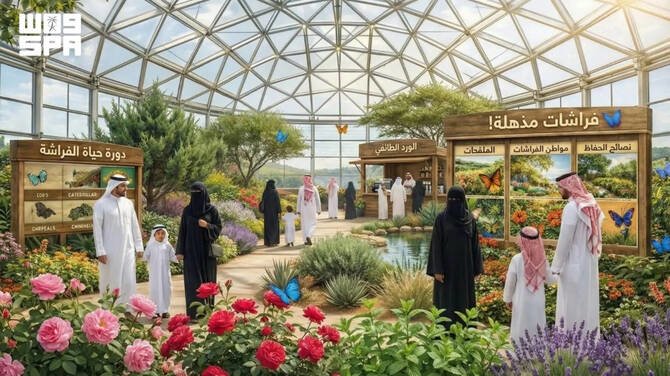
Saudi authorities unveiled new wildlife safari and birdwatching projects as part of a broader effort to expand nature-based tourism across the kingdom.
The projects are tied directly to Vision 2030, Crown Prince Mohammed bin Salman’s long-term plan to diversify the Saudi economy away from hydrocarbon dependence and reposition the country as a global tourism and investment destination.
What is confirmed is that Saudi Arabia is rapidly expanding protected areas, rewilding programs and eco-tourism infrastructure through initiatives linked to the Saudi Green Initiative, the National Center for Wildlife and major royal reserve development programs.
The government is promoting safari tourism, migratory bird observation and conservation-focused travel experiences in multiple regions across the kingdom.
The key issue is that Saudi Arabia is attempting to redefine how the outside world sees the country.
For decades, Saudi Arabia’s international identity revolved overwhelmingly around oil exports, Islamic pilgrimage and geopolitical influence.
Tourism was tightly restricted, environmental tourism barely existed and many natural areas remained inaccessible to foreign visitors.
That model is changing rapidly.
The Saudi government now views tourism as one of the central engines of future economic growth.
Authorities aim to attract tens of millions of international visitors annually while developing industries capable of generating employment, private investment and foreign revenue beyond the energy sector.
Nature tourism has become strategically important inside that transition.
Saudi Arabia possesses vast desert landscapes, volcanic fields, mountain ecosystems, wetlands and Red Sea coastal habitats that remained relatively underdeveloped compared with international tourism markets in Africa, Europe and parts of Asia.
The kingdom is now attempting to commercialize those environments through controlled eco-tourism and conservation branding.
Wildlife restoration sits at the center of the strategy.
Saudi Arabia has invested heavily in reintroducing native species that declined or disappeared because of overhunting, habitat destruction and desertification.
Arabian oryx, gazelles, ostriches and other species have been reintroduced into protected reserves over recent years.
The government is also expanding anti-poaching enforcement, habitat restoration and breeding programs.
Birdwatching is becoming a major focus because Saudi Arabia lies along critical migratory routes connecting Africa, Europe and Asia.
Millions of birds pass through the Arabian Peninsula annually during migration seasons.
Wetlands, coastal zones and inland reserves across the kingdom increasingly attract ornithologists, photographers and specialized eco-tourism operators.
Saudi authorities are trying to position these sites as premium tourism destinations.
Luxury safari lodges, guided expeditions, conservation camps and eco-resorts are being integrated into broader tourism megaprojects backed by sovereign wealth funding and state-supported infrastructure expansion.
The Red Sea development projects are especially important.
Saudi Arabia is investing billions of dollars into high-end tourism infrastructure along the Red Sea coast, including resorts, marine conservation areas and nature-focused travel experiences designed to compete with destinations in the Gulf, East Africa and the Mediterranean.
The safari projects reflect a wider global tourism trend.
Wealthier travelers increasingly seek environmentally oriented experiences involving wildlife observation, sustainability and remote landscapes rather than purely urban luxury tourism.
Saudi Arabia wants to capture part of that market.
The environmental branding also serves political purposes.
The kingdom faces international scrutiny over carbon emissions because Saudi Arabia remains one of the world’s largest oil producers.
Large-scale conservation and reforestation campaigns help Riyadh present itself as an active participant in environmental modernization while continuing to expand hydrocarbon production.
Critics argue there is a contradiction between climate leadership messaging and continued long-term dependence on fossil fuel exports.
Saudi officials counter that economic diversification, carbon reduction technologies, rewilding projects and renewable-energy investment demonstrate a broader transition strategy rather than immediate abandonment of oil.
The conservation push is also deeply tied to domestic modernization.
Saudi Arabia is opening sectors of society that were previously restricted under earlier conservative social frameworks.
Tourism liberalization, entertainment projects and cultural development are intended to reshape the country’s economy while creating new forms of domestic consumption and employment.
Wildlife tourism fits that agenda because it combines infrastructure spending, environmental restoration and international branding.
The scale of state involvement is enormous.
Many of the reserves and tourism developments are backed directly by royal commissions, sovereign wealth entities or government-linked organizations with access to substantial financing.
This allows Saudi Arabia to develop projects rapidly even in remote areas where tourism infrastructure previously barely existed.
At the same time, the strategy carries risks.
Large-scale tourism development in fragile ecosystems can create environmental pressure if visitor growth outpaces conservation management.
Water usage, desert habitat disruption, construction expansion and transport infrastructure all require careful regulation in environmentally sensitive areas.
Saudi authorities increasingly emphasize sustainability standards and controlled visitor access to avoid repeating problems seen in overdeveloped tourist regions elsewhere.
Regional competition is intensifying as well.
Countries across the Gulf are investing heavily in tourism diversification, luxury hospitality and environmental branding.
The United Arab Emirates, Oman and Qatar all market nature-focused travel experiences alongside urban tourism.
Saudi Arabia’s advantage lies in geographic scale.
The kingdom possesses enormous undeveloped territory with biodiversity and landscapes unfamiliar to many international travelers.
Officials believe that combination of exclusivity, conservation and luxury infrastructure can create a distinctive tourism identity.
The economic stakes are substantial.
Vision 2030 aims to increase tourism’s contribution to Saudi gross domestic product significantly while generating hundreds of thousands of jobs across hospitality, transportation, conservation, logistics and service industries.
Wildlife tourism alone will not replace oil revenue.
But Saudi policymakers increasingly view sectors like eco-tourism, entertainment, sports and technology as essential components of a broader post-oil economic structure capable of reducing long-term vulnerability to energy-market volatility.
The safari and birdwatching projects therefore represent more than niche tourism development.
They are part of a wider attempt to transform Saudi Arabia from a hydrocarbon-centered state into a diversified economy using environmental restoration, luxury tourism and global branding to reshape both domestic development and international perception.
The practical consequence is that areas once viewed primarily as remote desert territory are now being integrated into one of the world’s most ambitious state-directed tourism and environmental transformation programs.
Saudi authorities unveiled new wildlife safari and birdwatching projects as part of a broader effort to expand nature-based tourism across the kingdom.
The projects are tied directly to Vision 2030, Crown Prince Mohammed bin Salman’s long-term plan to diversify the Saudi economy away from hydrocarbon dependence and reposition the country as a global tourism and investment destination.
What is confirmed is that Saudi Arabia is rapidly expanding protected areas, rewilding programs and eco-tourism infrastructure through initiatives linked to the Saudi Green Initiative, the National Center for Wildlife and major royal reserve development programs.
The government is promoting safari tourism, migratory bird observation and conservation-focused travel experiences in multiple regions across the kingdom.
The key issue is that Saudi Arabia is attempting to redefine how the outside world sees the country.
For decades, Saudi Arabia’s international identity revolved overwhelmingly around oil exports, Islamic pilgrimage and geopolitical influence.
Tourism was tightly restricted, environmental tourism barely existed and many natural areas remained inaccessible to foreign visitors.
That model is changing rapidly.
The Saudi government now views tourism as one of the central engines of future economic growth.
Authorities aim to attract tens of millions of international visitors annually while developing industries capable of generating employment, private investment and foreign revenue beyond the energy sector.
Nature tourism has become strategically important inside that transition.
Saudi Arabia possesses vast desert landscapes, volcanic fields, mountain ecosystems, wetlands and Red Sea coastal habitats that remained relatively underdeveloped compared with international tourism markets in Africa, Europe and parts of Asia.
The kingdom is now attempting to commercialize those environments through controlled eco-tourism and conservation branding.
Wildlife restoration sits at the center of the strategy.
Saudi Arabia has invested heavily in reintroducing native species that declined or disappeared because of overhunting, habitat destruction and desertification.
Arabian oryx, gazelles, ostriches and other species have been reintroduced into protected reserves over recent years.
The government is also expanding anti-poaching enforcement, habitat restoration and breeding programs.
Birdwatching is becoming a major focus because Saudi Arabia lies along critical migratory routes connecting Africa, Europe and Asia.
Millions of birds pass through the Arabian Peninsula annually during migration seasons.
Wetlands, coastal zones and inland reserves across the kingdom increasingly attract ornithologists, photographers and specialized eco-tourism operators.
Saudi authorities are trying to position these sites as premium tourism destinations.
Luxury safari lodges, guided expeditions, conservation camps and eco-resorts are being integrated into broader tourism megaprojects backed by sovereign wealth funding and state-supported infrastructure expansion.
The Red Sea development projects are especially important.
Saudi Arabia is investing billions of dollars into high-end tourism infrastructure along the Red Sea coast, including resorts, marine conservation areas and nature-focused travel experiences designed to compete with destinations in the Gulf, East Africa and the Mediterranean.
The safari projects reflect a wider global tourism trend.
Wealthier travelers increasingly seek environmentally oriented experiences involving wildlife observation, sustainability and remote landscapes rather than purely urban luxury tourism.
Saudi Arabia wants to capture part of that market.
The environmental branding also serves political purposes.
The kingdom faces international scrutiny over carbon emissions because Saudi Arabia remains one of the world’s largest oil producers.
Large-scale conservation and reforestation campaigns help Riyadh present itself as an active participant in environmental modernization while continuing to expand hydrocarbon production.
Critics argue there is a contradiction between climate leadership messaging and continued long-term dependence on fossil fuel exports.
Saudi officials counter that economic diversification, carbon reduction technologies, rewilding projects and renewable-energy investment demonstrate a broader transition strategy rather than immediate abandonment of oil.
The conservation push is also deeply tied to domestic modernization.
Saudi Arabia is opening sectors of society that were previously restricted under earlier conservative social frameworks.
Tourism liberalization, entertainment projects and cultural development are intended to reshape the country’s economy while creating new forms of domestic consumption and employment.
Wildlife tourism fits that agenda because it combines infrastructure spending, environmental restoration and international branding.
The scale of state involvement is enormous.
Many of the reserves and tourism developments are backed directly by royal commissions, sovereign wealth entities or government-linked organizations with access to substantial financing.
This allows Saudi Arabia to develop projects rapidly even in remote areas where tourism infrastructure previously barely existed.
At the same time, the strategy carries risks.
Large-scale tourism development in fragile ecosystems can create environmental pressure if visitor growth outpaces conservation management.
Water usage, desert habitat disruption, construction expansion and transport infrastructure all require careful regulation in environmentally sensitive areas.
Saudi authorities increasingly emphasize sustainability standards and controlled visitor access to avoid repeating problems seen in overdeveloped tourist regions elsewhere.
Regional competition is intensifying as well.
Countries across the Gulf are investing heavily in tourism diversification, luxury hospitality and environmental branding.
The United Arab Emirates, Oman and Qatar all market nature-focused travel experiences alongside urban tourism.
Saudi Arabia’s advantage lies in geographic scale.
The kingdom possesses enormous undeveloped territory with biodiversity and landscapes unfamiliar to many international travelers.
Officials believe that combination of exclusivity, conservation and luxury infrastructure can create a distinctive tourism identity.
The economic stakes are substantial.
Vision 2030 aims to increase tourism’s contribution to Saudi gross domestic product significantly while generating hundreds of thousands of jobs across hospitality, transportation, conservation, logistics and service industries.
Wildlife tourism alone will not replace oil revenue.
But Saudi policymakers increasingly view sectors like eco-tourism, entertainment, sports and technology as essential components of a broader post-oil economic structure capable of reducing long-term vulnerability to energy-market volatility.
The safari and birdwatching projects therefore represent more than niche tourism development.
They are part of a wider attempt to transform Saudi Arabia from a hydrocarbon-centered state into a diversified economy using environmental restoration, luxury tourism and global branding to reshape both domestic development and international perception.
The practical consequence is that areas once viewed primarily as remote desert territory are now being integrated into one of the world’s most ambitious state-directed tourism and environmental transformation programs.