Saudi Arabia Faces Strategic Pressure as Iran Conflict Raises Regional Security and Energy Risks
Escalating tensions involving Iran are forcing Riyadh to balance deterrence, diplomacy, and oil-market stability while avoiding direct military entanglement in a widening regional confrontation.
ACTOR-DRIVEN — The central driver of this story is Saudi Arabia’s strategic positioning as a regional power navigating the spillover effects of escalating conflict involving Iran, where security, energy stability, and diplomatic alignment intersect under high geopolitical pressure.
Saudi Arabia is confronting a complex strategic dilemma shaped by rising tensions involving Iran and the broader risk of regional escalation.
What is confirmed is that Saudi Arabia remains a central actor in Middle Eastern security dynamics and global energy markets, meaning any deterioration in regional stability has immediate consequences for its national security posture and economic planning.
The core challenge lies in balancing competing priorities.
On one side is the need to deter threats to its territory, infrastructure, and energy assets, which have historically been exposed to regional proxy conflicts and cross-border attacks.
On the other side is the imperative to avoid direct military entanglement in a wider war that could destabilize domestic development goals and long-term economic transformation plans.
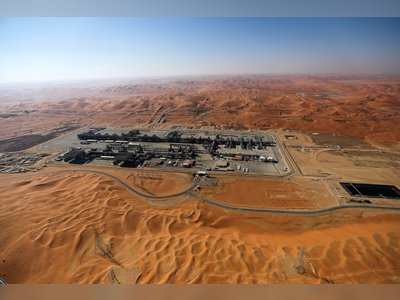
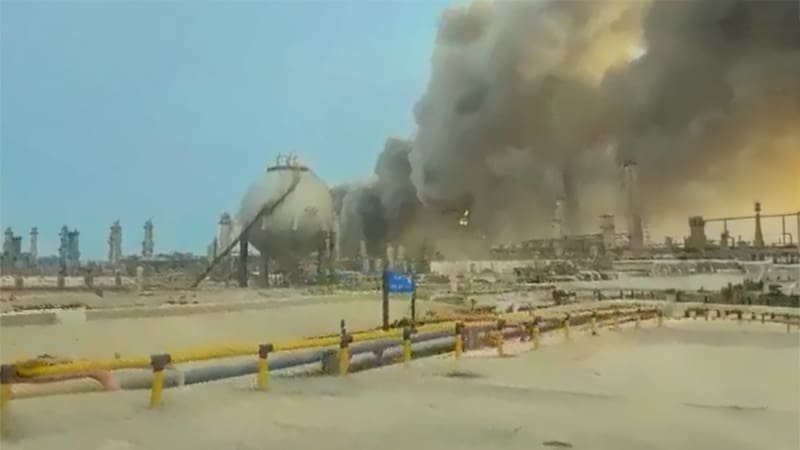
Energy infrastructure is a particularly sensitive point.
Saudi Arabia’s oil production and export facilities are critical to global supply stability, and any disruption would have immediate effects on international markets.
This creates a strategic incentive to de-escalate regional tensions while maintaining credible defensive capabilities.
Diplomatically, Saudi Arabia has in recent years pursued a more diversified foreign policy approach, engaging in dialogue with regional rivals while also strengthening ties with major global powers.
This reflects an effort to reduce exposure to binary alignments and manage risk through broader diplomatic flexibility.
The Iran factor remains central because of the longstanding rivalry between the two countries, which plays out across regional theaters through state alliances, proxy networks, and competing security architectures.
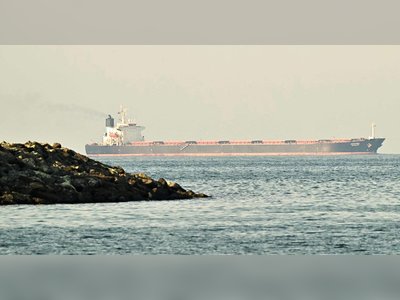
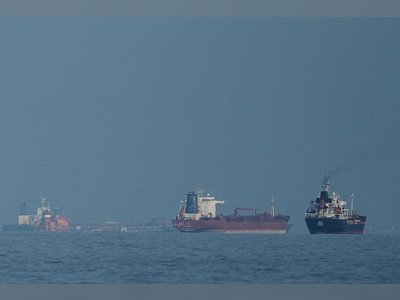
Any intensification of conflict involving Iran increases the probability of spillover effects across Gulf states, including threats to shipping lanes, energy infrastructure, and airspace security.
At the same time, Saudi Arabia’s domestic economic agenda depends on stability.
Large-scale investment programs and economic diversification strategies require predictable conditions for capital inflows, infrastructure development, and tourism growth.
Regional instability directly undermines investor confidence and raises insurance and security costs across multiple sectors.
Global implications are significant because Saudi Arabia functions as a key stabilizer in global oil markets.
Any shift in its security posture, production strategy, or risk tolerance can influence global supply expectations and price volatility, particularly during periods of existing geopolitical stress.
The broader implication is that Saudi Arabia is operating within a constrained strategic environment where escalation control is as important as deterrence.
The outcome of this balancing act will shape both regional stability in the Gulf and the resilience of global energy markets under geopolitical strain.
Saudi Arabia is confronting a complex strategic dilemma shaped by rising tensions involving Iran and the broader risk of regional escalation.
What is confirmed is that Saudi Arabia remains a central actor in Middle Eastern security dynamics and global energy markets, meaning any deterioration in regional stability has immediate consequences for its national security posture and economic planning.
The core challenge lies in balancing competing priorities.
On one side is the need to deter threats to its territory, infrastructure, and energy assets, which have historically been exposed to regional proxy conflicts and cross-border attacks.
On the other side is the imperative to avoid direct military entanglement in a wider war that could destabilize domestic development goals and long-term economic transformation plans.
Energy infrastructure is a particularly sensitive point.
Saudi Arabia’s oil production and export facilities are critical to global supply stability, and any disruption would have immediate effects on international markets.
This creates a strategic incentive to de-escalate regional tensions while maintaining credible defensive capabilities.
Diplomatically, Saudi Arabia has in recent years pursued a more diversified foreign policy approach, engaging in dialogue with regional rivals while also strengthening ties with major global powers.
This reflects an effort to reduce exposure to binary alignments and manage risk through broader diplomatic flexibility.
The Iran factor remains central because of the longstanding rivalry between the two countries, which plays out across regional theaters through state alliances, proxy networks, and competing security architectures.
Any intensification of conflict involving Iran increases the probability of spillover effects across Gulf states, including threats to shipping lanes, energy infrastructure, and airspace security.
At the same time, Saudi Arabia’s domestic economic agenda depends on stability.
Large-scale investment programs and economic diversification strategies require predictable conditions for capital inflows, infrastructure development, and tourism growth.
Regional instability directly undermines investor confidence and raises insurance and security costs across multiple sectors.
Global implications are significant because Saudi Arabia functions as a key stabilizer in global oil markets.
Any shift in its security posture, production strategy, or risk tolerance can influence global supply expectations and price volatility, particularly during periods of existing geopolitical stress.
The broader implication is that Saudi Arabia is operating within a constrained strategic environment where escalation control is as important as deterrence.
The outcome of this balancing act will shape both regional stability in the Gulf and the resilience of global energy markets under geopolitical strain.