Gulf Shipping Advisory Signals Rising Risk Around Strait of Hormuz
Regional states are warning vessels away from parts of the strategic waterway amid heightened Iran-related tensions, raising concerns over global energy security and maritime insurance costs.
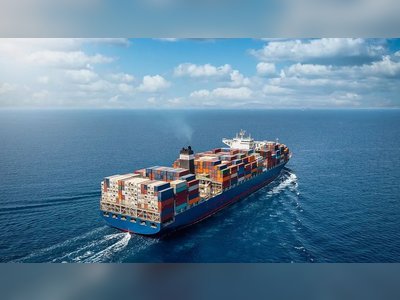
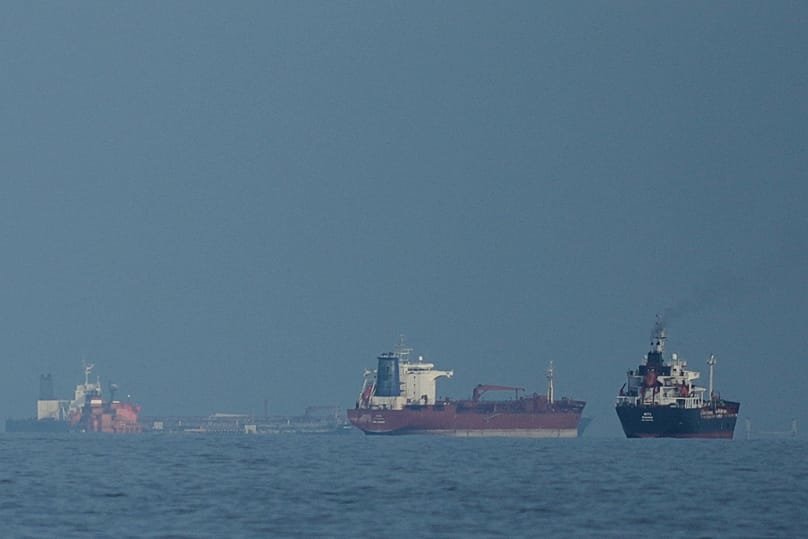
Maritime security guidance issued in the Gulf has advised commercial shipping operators to exercise heightened caution when transiting routes near the Strait of Hormuz, one of the world’s most critical chokepoints for oil and liquefied natural gas exports.
The advisory reflects rising regional tensions linked to Iran and broader instability affecting shipping lanes that connect the Persian Gulf to global markets.
What is confirmed is that multiple Gulf maritime authorities and regional coordination bodies have issued updated navigation warnings urging vessels to reassess routing through areas close to Iranian-controlled waters.
These warnings do not amount to a formal closure of the Strait of Hormuz, but they signal elevated risk assessments that influence shipping behavior, insurance pricing, and naval escort operations.
The Strait of Hormuz is a narrow maritime passage between Iran and Oman through which roughly a fifth of global oil trade flows.
Any disruption or perceived threat in this corridor has immediate effects on global energy markets, as tankers carrying crude oil from Saudi Arabia, Iraq, the United Arab Emirates, and Kuwait must pass through it to reach international buyers.
Even limited escalation risk can trigger sharp increases in freight and insurance premiums.
The key issue driving the advisory is the interaction between regional military tensions and the vulnerability of concentrated global energy infrastructure.
Iran has historically threatened to disrupt shipping through the Strait in response to geopolitical pressure, while Western naval forces maintain a continuous presence to deter interference with commercial traffic.
In this environment, even non-binding warnings can reshape shipping routes and commercial decision-making.
Shipping companies typically respond to elevated risk alerts by slowing transit speeds, adjusting convoy practices, or temporarily rerouting vessels through longer passages when alternatives exist.
However, for oil tankers departing Gulf terminals, the Strait of Hormuz is effectively unavoidable, meaning risk management depends more on deterrence and naval protection than on route avoidance.
Energy markets closely track developments in the region because disruptions in Hormuz would immediately constrain global supply.
Past episodes of tension have triggered short-term spikes in oil prices even without physical blockages, reflecting the market’s sensitivity to perceived instability rather than actual supply loss.
The latest advisory underscores the fragility of global maritime supply chains at a time when geopolitical tensions in the Middle East remain elevated.
While no formal blockade or closure has been declared, the increased warning level reflects a precautionary shift by regional authorities aimed at reducing exposure to potential incidents in one of the world’s most strategically significant waterways.
The advisory reflects rising regional tensions linked to Iran and broader instability affecting shipping lanes that connect the Persian Gulf to global markets.
What is confirmed is that multiple Gulf maritime authorities and regional coordination bodies have issued updated navigation warnings urging vessels to reassess routing through areas close to Iranian-controlled waters.
These warnings do not amount to a formal closure of the Strait of Hormuz, but they signal elevated risk assessments that influence shipping behavior, insurance pricing, and naval escort operations.
The Strait of Hormuz is a narrow maritime passage between Iran and Oman through which roughly a fifth of global oil trade flows.
Any disruption or perceived threat in this corridor has immediate effects on global energy markets, as tankers carrying crude oil from Saudi Arabia, Iraq, the United Arab Emirates, and Kuwait must pass through it to reach international buyers.
Even limited escalation risk can trigger sharp increases in freight and insurance premiums.
The key issue driving the advisory is the interaction between regional military tensions and the vulnerability of concentrated global energy infrastructure.
Iran has historically threatened to disrupt shipping through the Strait in response to geopolitical pressure, while Western naval forces maintain a continuous presence to deter interference with commercial traffic.
In this environment, even non-binding warnings can reshape shipping routes and commercial decision-making.
Shipping companies typically respond to elevated risk alerts by slowing transit speeds, adjusting convoy practices, or temporarily rerouting vessels through longer passages when alternatives exist.
However, for oil tankers departing Gulf terminals, the Strait of Hormuz is effectively unavoidable, meaning risk management depends more on deterrence and naval protection than on route avoidance.
Energy markets closely track developments in the region because disruptions in Hormuz would immediately constrain global supply.
Past episodes of tension have triggered short-term spikes in oil prices even without physical blockages, reflecting the market’s sensitivity to perceived instability rather than actual supply loss.
The latest advisory underscores the fragility of global maritime supply chains at a time when geopolitical tensions in the Middle East remain elevated.
While no formal blockade or closure has been declared, the increased warning level reflects a precautionary shift by regional authorities aimed at reducing exposure to potential incidents in one of the world’s most strategically significant waterways.