Saudi Arabia and the Philippines Set for Inclusion in JPMorgan Emerging Market Bond Index in 2027
The two countries will be added to the widely tracked GBI-EM benchmark, marking a significant shift in global debt market composition and expected investment flows
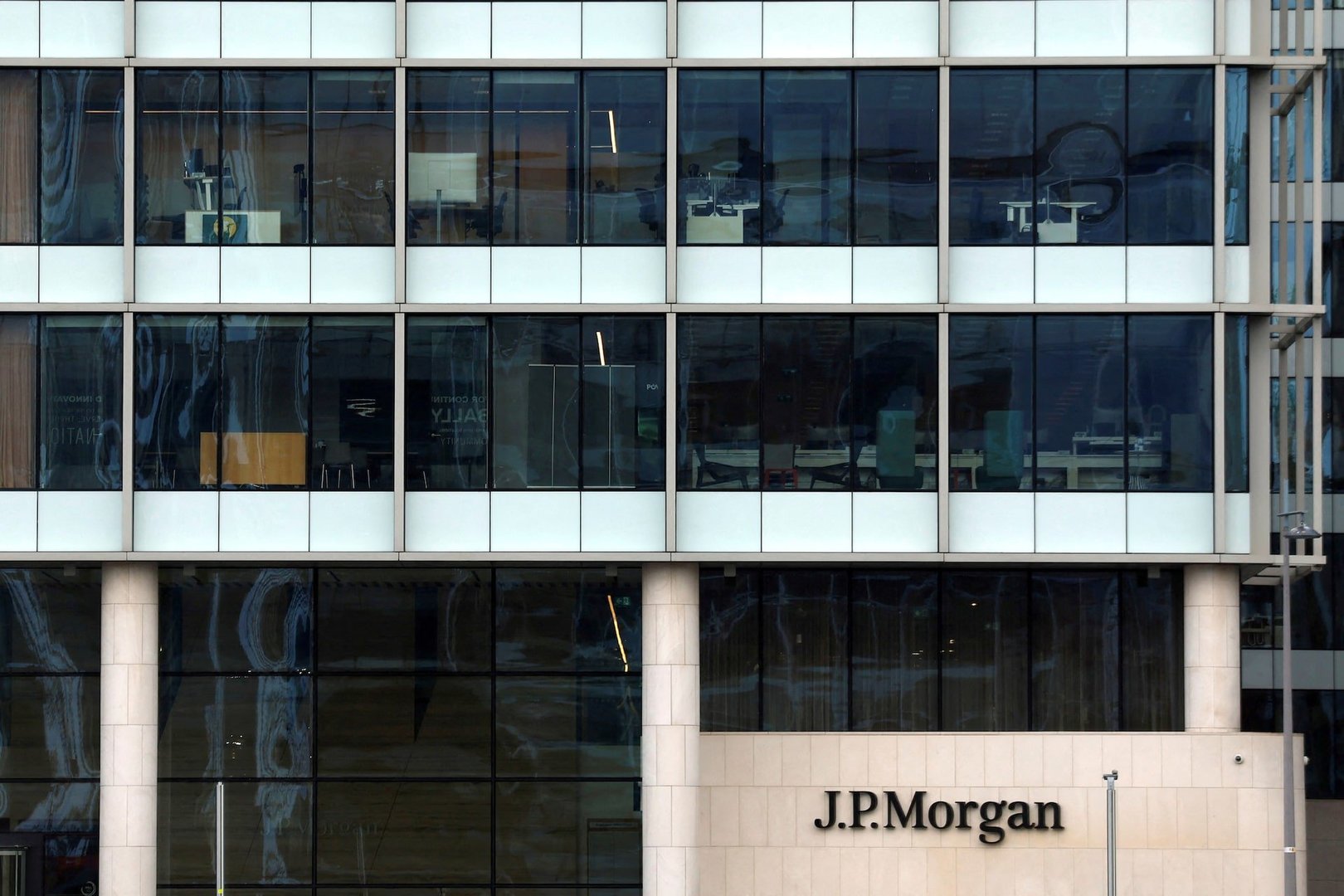
Saudi Arabia and the Philippines are set to be included in JPMorgan’s widely followed emerging market local currency bond index from January 2027, in a move expected to reshape global benchmark allocations and attract substantial international investment flows.
The decision will see Saudi riyal-denominated sovereign sukuk and Philippine peso-denominated government bonds formally added to the Government Bond Index–Emerging Markets series, a key reference point for global institutional investors.
The inclusion is scheduled to take effect on January 29, 2027, with both markets entering the index through a phased process designed to minimise disruption.
Once fully implemented, Saudi Arabia is expected to carry a weighting of approximately 2.52 per cent, while the Philippines will account for around 1.78 per cent.
These allocations will be gradually built up over time as funds tracking the benchmark adjust their portfolios.
The revision forms part of a broader methodological update to the index, including a reduction in the maximum country cap from 10 per cent to 9 per cent in the diversified index.
This adjustment will result in marginal reductions in the relative weight of several large emerging markets, including China, India, Mexico, Malaysia and Indonesia, which remain key components of the benchmark.
According to index methodology details, eligibility for inclusion is based on factors including market accessibility, liquidity and the structure of local debt markets.
For Saudi Arabia, around eight sovereign sukuk with an estimated combined value of about 69 billion dollars could be eligible for inclusion.
In the Philippines, approximately nine government bonds totalling roughly 49 billion dollars are under consideration.
Market participants typically view entry into the index as a catalyst for increased foreign inflows, as global funds tracking the benchmark are required to adjust holdings to mirror its composition.
In the case of the Philippines, analysts estimate potential inflows of significant scale as portfolio managers reposition ahead of the 2027 implementation.
The announcement underscores the continued expansion of emerging market debt indices to include a broader range of sovereign issuers, reflecting ongoing reforms in local financial markets and growing integration into global capital flows.
Both Saudi Arabia and the Philippines have undertaken structural adjustments in recent years aimed at deepening domestic bond markets and improving investor access, developments that have contributed to their eventual inclusion in the benchmark.
The decision will see Saudi riyal-denominated sovereign sukuk and Philippine peso-denominated government bonds formally added to the Government Bond Index–Emerging Markets series, a key reference point for global institutional investors.
The inclusion is scheduled to take effect on January 29, 2027, with both markets entering the index through a phased process designed to minimise disruption.
Once fully implemented, Saudi Arabia is expected to carry a weighting of approximately 2.52 per cent, while the Philippines will account for around 1.78 per cent.
These allocations will be gradually built up over time as funds tracking the benchmark adjust their portfolios.
The revision forms part of a broader methodological update to the index, including a reduction in the maximum country cap from 10 per cent to 9 per cent in the diversified index.
This adjustment will result in marginal reductions in the relative weight of several large emerging markets, including China, India, Mexico, Malaysia and Indonesia, which remain key components of the benchmark.
According to index methodology details, eligibility for inclusion is based on factors including market accessibility, liquidity and the structure of local debt markets.
For Saudi Arabia, around eight sovereign sukuk with an estimated combined value of about 69 billion dollars could be eligible for inclusion.
In the Philippines, approximately nine government bonds totalling roughly 49 billion dollars are under consideration.
Market participants typically view entry into the index as a catalyst for increased foreign inflows, as global funds tracking the benchmark are required to adjust holdings to mirror its composition.
In the case of the Philippines, analysts estimate potential inflows of significant scale as portfolio managers reposition ahead of the 2027 implementation.
The announcement underscores the continued expansion of emerging market debt indices to include a broader range of sovereign issuers, reflecting ongoing reforms in local financial markets and growing integration into global capital flows.
Both Saudi Arabia and the Philippines have undertaken structural adjustments in recent years aimed at deepening domestic bond markets and improving investor access, developments that have contributed to their eventual inclusion in the benchmark.