Saudi Arabia and Iraq Drawn Into Intensifying Shadow Conflict Amid Regional Proxy War
Iran-backed militias operating from Iraq have escalated drone and missile attacks across the Gulf, blurring lines between state security and proxy warfare in an increasingly volatile regional confrontation
Saudi Arabia and Iraq are emerging as central arenas in a widening and increasingly covert confrontation that analysts describe as a “shadow war within a war,” driven by Iran-aligned militia activity and escalating regional retaliation risks.
Over a period of more than five weeks, Iran-backed armed groups operating inside Iraq have carried out a sustained campaign of drone and missile strikes across the Gulf region, targeting Saudi Arabia, Kuwait, Bahrain, and sensitive energy and diplomatic sites within Iraq itself.
According to assessments cited by regional security officials, a substantial portion of nearly one thousand recorded drone attacks during the period are believed to have originated from Iraqi territory.
The strikes have reportedly included attacks on strategic energy infrastructure in Saudi Arabia’s Red Sea refinery hub at Yanbu, oil facilities in the kingdom’s eastern province, and civilian infrastructure such as Kuwait’s main airport.
Diplomatic sites have also been targeted, including consular facilities in southern and northern Iraq associated with Gulf states.
Some attacks continued even after a temporary ceasefire announcement earlier in the broader regional conflict.
The escalation is unfolding against the backdrop of a wider confrontation involving the United States, Israel, and Iran, with Iraq’s militia landscape increasingly acting as an operational extension of Iran’s regional strategy.
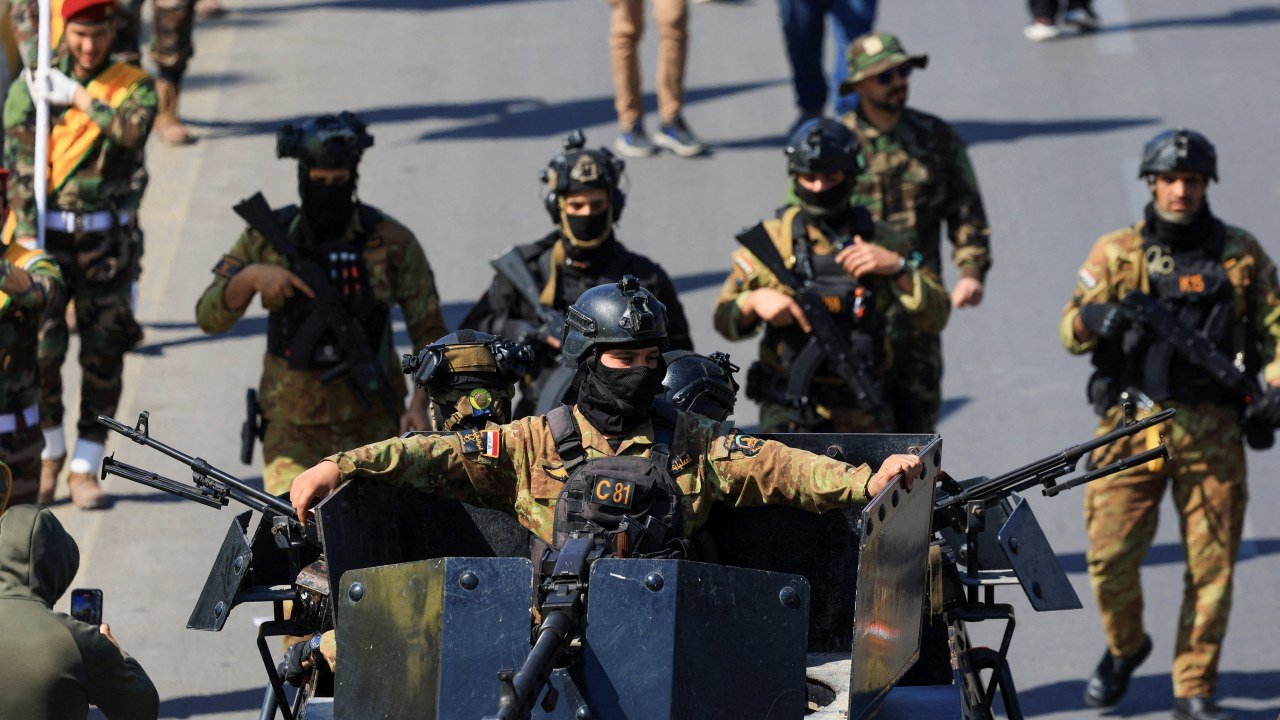
These groups, many of which were formed in the aftermath of the Iraq war and later expanded during the fight against Islamic State, now possess significant manpower, funding networks, and missile and drone capabilities.
Security analysts describe the current phase as qualitatively different from earlier proxy tensions, noting that Iraqi militias are operating with greater autonomy while still maintaining varying degrees of coordination with Iran’s Islamic Revolutionary Guard Corps.
This has complicated Iraq’s internal security balance, as state institutions struggle to assert control over armed factions embedded within the political and military system.
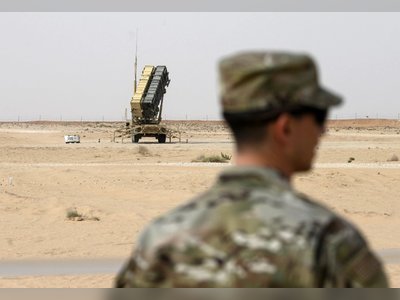
The Gulf states, particularly Saudi Arabia, are now weighing potential responses that could include limited or symbolic action against militia positions inside Iraq, though officials remain cautious about direct escalation that could widen the conflict into open interstate war.
At the same time, the United States has issued warnings regarding further militia activity and has reduced its diplomatic footprint in Baghdad amid security concerns.
Iraq’s position is increasingly strained as its territory becomes a launch point for regional attacks while its government faces pressure from neighbouring Arab states to rein in armed groups operating beyond central authority.
Saudi Arabia, meanwhile, views the continued strikes as a direct threat to critical energy infrastructure and regional economic stability, further accelerating Gulf concerns about the durability of deterrence in the face of dispersed, non-state military actors.
The growing frequency and geographical spread of attacks underscore a broader transformation in Middle Eastern conflict dynamics, where state-to-state confrontation is increasingly mediated through networked militias operating across porous borders, with Iraq positioned at the centre of an expanding and increasingly unstable strategic fault line.
Over a period of more than five weeks, Iran-backed armed groups operating inside Iraq have carried out a sustained campaign of drone and missile strikes across the Gulf region, targeting Saudi Arabia, Kuwait, Bahrain, and sensitive energy and diplomatic sites within Iraq itself.
According to assessments cited by regional security officials, a substantial portion of nearly one thousand recorded drone attacks during the period are believed to have originated from Iraqi territory.
The strikes have reportedly included attacks on strategic energy infrastructure in Saudi Arabia’s Red Sea refinery hub at Yanbu, oil facilities in the kingdom’s eastern province, and civilian infrastructure such as Kuwait’s main airport.
Diplomatic sites have also been targeted, including consular facilities in southern and northern Iraq associated with Gulf states.
Some attacks continued even after a temporary ceasefire announcement earlier in the broader regional conflict.
The escalation is unfolding against the backdrop of a wider confrontation involving the United States, Israel, and Iran, with Iraq’s militia landscape increasingly acting as an operational extension of Iran’s regional strategy.
These groups, many of which were formed in the aftermath of the Iraq war and later expanded during the fight against Islamic State, now possess significant manpower, funding networks, and missile and drone capabilities.
Security analysts describe the current phase as qualitatively different from earlier proxy tensions, noting that Iraqi militias are operating with greater autonomy while still maintaining varying degrees of coordination with Iran’s Islamic Revolutionary Guard Corps.
This has complicated Iraq’s internal security balance, as state institutions struggle to assert control over armed factions embedded within the political and military system.
The Gulf states, particularly Saudi Arabia, are now weighing potential responses that could include limited or symbolic action against militia positions inside Iraq, though officials remain cautious about direct escalation that could widen the conflict into open interstate war.
At the same time, the United States has issued warnings regarding further militia activity and has reduced its diplomatic footprint in Baghdad amid security concerns.
Iraq’s position is increasingly strained as its territory becomes a launch point for regional attacks while its government faces pressure from neighbouring Arab states to rein in armed groups operating beyond central authority.
Saudi Arabia, meanwhile, views the continued strikes as a direct threat to critical energy infrastructure and regional economic stability, further accelerating Gulf concerns about the durability of deterrence in the face of dispersed, non-state military actors.
The growing frequency and geographical spread of attacks underscore a broader transformation in Middle Eastern conflict dynamics, where state-to-state confrontation is increasingly mediated through networked militias operating across porous borders, with Iraq positioned at the centre of an expanding and increasingly unstable strategic fault line.