LIV Golf Faces Financial and Strategic Uncertainty as Saudi Backing Comes Under Scrutiny
Leadership signals adjustments in funding structure as the breakaway golf league prepares for high-profile events in the United States
LIV Golf’s funding structure is undergoing a system-level adjustment shaped by shifting priorities within Saudi Arabia’s sovereign investment strategy and the league’s evolving commercial performance.
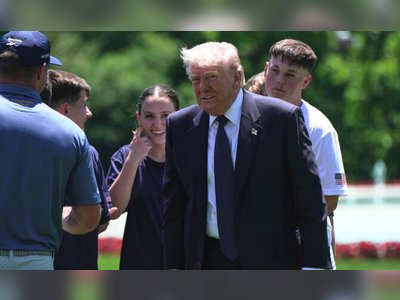
The issue has become more visible as the organization prepares for upcoming tournaments in the United States, including events at Trump National venues, where scrutiny over long-term financial backing and operational sustainability has intensified.
What is confirmed is that LIV Golf was originally established and financed primarily through Saudi Arabia’s Public Investment Fund, a sovereign wealth fund tasked with diversifying the kingdom’s economy away from oil dependence.
Since its launch, the league has relied on substantial capital injections to attract elite players, build a global tournament schedule, and compete directly with established golf institutions.
Those investments have been central to LIV’s ability to offer guaranteed contracts and large prize purses that significantly exceed traditional tour structures.
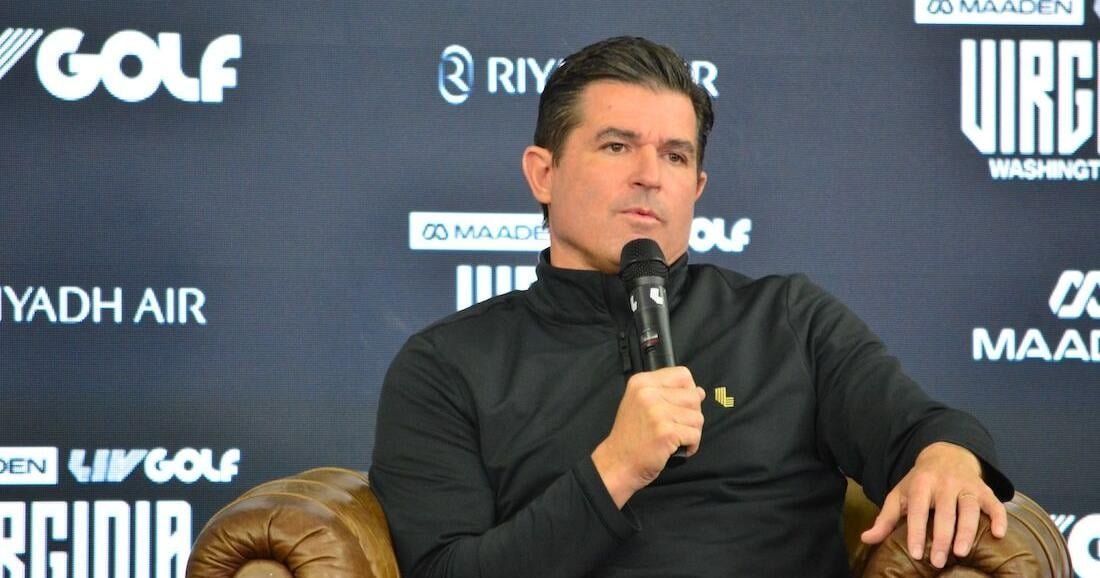
Recent comments from LIV Golf leadership indicate that while Saudi backing remains foundational, the financial model is being reassessed as the league transitions from a startup-style expansion phase toward a more commercially self-sustaining structure.
This shift reflects broader pressure within the Public Investment Fund to balance high-profile sports investments with domestic economic development projects and profitability expectations across its global portfolio.
The mechanism behind this adjustment is not an abrupt withdrawal of support but a recalibration of capital deployment.
Sovereign investors in large-scale sports ventures often reassess funding intensity after initial market disruption phases, particularly when the asset is intended to evolve into a revenue-generating enterprise rather than remain a permanently subsidized platform.
In LIV’s case, this means greater emphasis on broadcasting rights, sponsorship deals, and tournament monetization, alongside continued but more strategically targeted Saudi funding.
The timing of this recalibration is significant because LIV is still in a competitive and legal standoff with established golf institutions.
Its efforts to secure legitimacy, attract television audiences, and integrate rankings and qualification systems have required sustained financial support.
Any perception of reduced backing can affect negotiations with broadcasters, player recruitment strategies, and long-term merger discussions that have periodically surfaced in the global golf industry.
The planned tournament at Trump National adds another layer of political and commercial visibility.
LIV events in the United States have drawn attention not only for their sporting implications but also for their intersection with geopolitics, given Saudi Arabia’s investment role and the involvement of high-profile American venues tied to former political leadership.
This amplifies scrutiny over whether the league is stabilizing as a permanent competitor or still dependent on strategic state financing.
The broader implication is that LIV Golf is moving into a consolidation phase.
Its initial disruption of professional golf has already altered player contracts and competitive dynamics, but its long-term position will depend on whether it can reduce reliance on sovereign capital while maintaining the financial incentives that defined its entry into the sport.
The current signals from leadership suggest not a withdrawal of Saudi support, but a structured transition toward tighter financial discipline and performance-based investment allocation.
The issue has become more visible as the organization prepares for upcoming tournaments in the United States, including events at Trump National venues, where scrutiny over long-term financial backing and operational sustainability has intensified.
What is confirmed is that LIV Golf was originally established and financed primarily through Saudi Arabia’s Public Investment Fund, a sovereign wealth fund tasked with diversifying the kingdom’s economy away from oil dependence.
Since its launch, the league has relied on substantial capital injections to attract elite players, build a global tournament schedule, and compete directly with established golf institutions.
Those investments have been central to LIV’s ability to offer guaranteed contracts and large prize purses that significantly exceed traditional tour structures.
Recent comments from LIV Golf leadership indicate that while Saudi backing remains foundational, the financial model is being reassessed as the league transitions from a startup-style expansion phase toward a more commercially self-sustaining structure.
This shift reflects broader pressure within the Public Investment Fund to balance high-profile sports investments with domestic economic development projects and profitability expectations across its global portfolio.
The mechanism behind this adjustment is not an abrupt withdrawal of support but a recalibration of capital deployment.
Sovereign investors in large-scale sports ventures often reassess funding intensity after initial market disruption phases, particularly when the asset is intended to evolve into a revenue-generating enterprise rather than remain a permanently subsidized platform.
In LIV’s case, this means greater emphasis on broadcasting rights, sponsorship deals, and tournament monetization, alongside continued but more strategically targeted Saudi funding.
The timing of this recalibration is significant because LIV is still in a competitive and legal standoff with established golf institutions.
Its efforts to secure legitimacy, attract television audiences, and integrate rankings and qualification systems have required sustained financial support.
Any perception of reduced backing can affect negotiations with broadcasters, player recruitment strategies, and long-term merger discussions that have periodically surfaced in the global golf industry.
The planned tournament at Trump National adds another layer of political and commercial visibility.
LIV events in the United States have drawn attention not only for their sporting implications but also for their intersection with geopolitics, given Saudi Arabia’s investment role and the involvement of high-profile American venues tied to former political leadership.
This amplifies scrutiny over whether the league is stabilizing as a permanent competitor or still dependent on strategic state financing.
The broader implication is that LIV Golf is moving into a consolidation phase.
Its initial disruption of professional golf has already altered player contracts and competitive dynamics, but its long-term position will depend on whether it can reduce reliance on sovereign capital while maintaining the financial incentives that defined its entry into the sport.
The current signals from leadership suggest not a withdrawal of Saudi support, but a structured transition toward tighter financial discipline and performance-based investment allocation.