Judge Questions Placement of Suspect in White House Correspondents' Dinner Attack on Suicide Watch
US Magistrate Judge Zia Faruqui seeks explanation for restrictive confinement conditions of Cole Tomas Allen.
A federal magistrate judge in Washington has raised concerns over the placement of a man charged with an attack on the White House Correspondents’ Association dinner into restrictive suicide watch.
Cole Tomas Allen, who is accused of attempting to kill President Donald Trump during the incident, was initially placed under 24-hour lockdown and subjected to frequent strip searches and restraints.
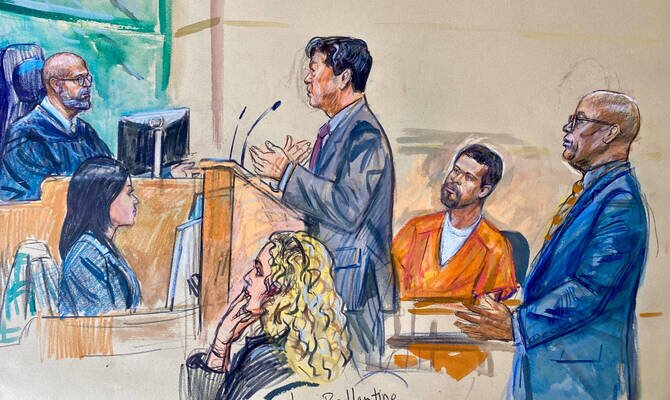
The judge, Zia Faruqui, questioned why this treatment was applied to Allen, noting that such conditions could 'drive a person crazy.' Faruqi also apologized to Allen for his confinement conditions.
The controversy arose after Allen's attorneys complained about the restrictive measures.
The judge demanded an explanation from jail officials as to why Allen, who is charged with attempting assassination, was placed on suicide watch.
This sparked a debate over due process rights and the appropriate treatment of defendants in such cases.
Faruqui emphasized that the D.C. jail regularly houses individuals charged with violent crimes without placing them under similar lockdown conditions.
Allen's lawyers have stated that their client showed no suicidal tendencies following his arrest.
However, a jail psychiatrist initially deemed Allen to be at risk, leading to his placement on suicide watch.
The judge decided to proceed with the hearing despite requests from Allen's attorneys to cancel it due to their 'grave concerns' about his treatment.
The attack occurred during the White House Correspondents’ Association dinner at the Washington Hilton on April 25.
Armed with guns and knives, Allen managed to breach security and pointed his weapon at a Secret Service agent who responded by firing five times.
According to authorities, Allen fired a shot that struck the agent's bullet-resistant vest.
If convicted of the attempted assassination charge alone, Allen could face up to life in prison.
Defense attorney Eugene Ohm has highlighted issues with Allen’s confinement conditions, including his lack of access to personal belongings such as a Bible and visitation from a chaplain.
Cole Tomas Allen, who is accused of attempting to kill President Donald Trump during the incident, was initially placed under 24-hour lockdown and subjected to frequent strip searches and restraints.
The judge, Zia Faruqui, questioned why this treatment was applied to Allen, noting that such conditions could 'drive a person crazy.' Faruqi also apologized to Allen for his confinement conditions.
The controversy arose after Allen's attorneys complained about the restrictive measures.
The judge demanded an explanation from jail officials as to why Allen, who is charged with attempting assassination, was placed on suicide watch.
This sparked a debate over due process rights and the appropriate treatment of defendants in such cases.
Faruqui emphasized that the D.C. jail regularly houses individuals charged with violent crimes without placing them under similar lockdown conditions.
Allen's lawyers have stated that their client showed no suicidal tendencies following his arrest.
However, a jail psychiatrist initially deemed Allen to be at risk, leading to his placement on suicide watch.
The judge decided to proceed with the hearing despite requests from Allen's attorneys to cancel it due to their 'grave concerns' about his treatment.
The attack occurred during the White House Correspondents’ Association dinner at the Washington Hilton on April 25.
Armed with guns and knives, Allen managed to breach security and pointed his weapon at a Secret Service agent who responded by firing five times.
According to authorities, Allen fired a shot that struck the agent's bullet-resistant vest.
If convicted of the attempted assassination charge alone, Allen could face up to life in prison.
Defense attorney Eugene Ohm has highlighted issues with Allen’s confinement conditions, including his lack of access to personal belongings such as a Bible and visitation from a chaplain.