Jeddah Forum Highlights Shift Toward Skills-Based Workforce Development
Event underscores importance of human capital in achieving Saudi Vision 2030 goals.
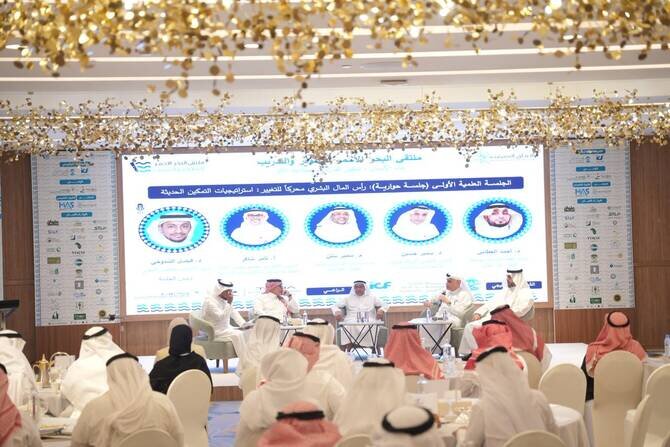
The Red Sea Development and Training Forum in Jeddah brought together more than 250 officials, experts, and academics to discuss the future of employment and human capital development in Saudi Arabia.
The two-day forum focused on 'Building People, Empowering Capabilities, and Creating Impact,' reflecting a broader shift in approach where human capital is increasingly viewed as a core economic asset linked to the goals of Saudi Vision 2030.
Abdul Salam Abu Al-Ala, president of the forum, emphasized that training has become a strategic driver of development.
He stated that investing in people and creating knowledge are essential for achieving national progress and excellence.
Discussions at the forum highlighted Saudization as a key driver reshaping the training ecosystem.
Mustafa Hafez Al-Ansari, deputy CEO of Taiba Higher Training Institutes Co., stressed the importance of linking training directly to employment outcomes to close the gap between skills and market demand.
This approach ensures that graduates are better prepared for workplace challenges and that training investments translate into sustainable job opportunities.
A panel discussion titled 'Human Capital as a Driver of Change: Modern Empowerment Strategies' addressed the need for institutions to strengthen their frameworks and align training systems with evolving labor market demands.
Faisal Alshudukhi, licensed expert and certified professional development trainer, noted that modern training design should engage multiple senses, encourage social interaction, and create positive emotional experiences to enhance learning effectiveness.
The forum also explored innovation in training methodologies and evolving institutional practices.
It highlighted the importance of soft skills, emotional intelligence, and human-centered approaches in effective decision-making.
The legal sector was identified as undergoing rapid transformation due to legislative updates and technological advancements, requiring legal professionals to be aligned with these changes.
Professionalizing the training sector through clear standards and measurable indicators was emphasized as crucial for ensuring quality outcomes and credibility.
The forum addressed rehabilitation and employment integration, stressing that true rehabilitation is not complete without professional empowerment enabling individuals to re-enter the labor market effectively.
Ahmed Mohammed Al-Ghamdi, founder and chairman of Qudwati Charitable Endowment in Makkah, concluded by stating that values are the foundation of any sustainable training system.
He emphasized that without them, development loses impact and credibility, and workforce development cannot achieve its goals of producing skilled professionals who combine competence with integrity in a labor market shaped by Saudization and ongoing transformation.
The two-day forum focused on 'Building People, Empowering Capabilities, and Creating Impact,' reflecting a broader shift in approach where human capital is increasingly viewed as a core economic asset linked to the goals of Saudi Vision 2030.
Abdul Salam Abu Al-Ala, president of the forum, emphasized that training has become a strategic driver of development.
He stated that investing in people and creating knowledge are essential for achieving national progress and excellence.
Discussions at the forum highlighted Saudization as a key driver reshaping the training ecosystem.
Mustafa Hafez Al-Ansari, deputy CEO of Taiba Higher Training Institutes Co., stressed the importance of linking training directly to employment outcomes to close the gap between skills and market demand.
This approach ensures that graduates are better prepared for workplace challenges and that training investments translate into sustainable job opportunities.
A panel discussion titled 'Human Capital as a Driver of Change: Modern Empowerment Strategies' addressed the need for institutions to strengthen their frameworks and align training systems with evolving labor market demands.
Faisal Alshudukhi, licensed expert and certified professional development trainer, noted that modern training design should engage multiple senses, encourage social interaction, and create positive emotional experiences to enhance learning effectiveness.
The forum also explored innovation in training methodologies and evolving institutional practices.
It highlighted the importance of soft skills, emotional intelligence, and human-centered approaches in effective decision-making.
The legal sector was identified as undergoing rapid transformation due to legislative updates and technological advancements, requiring legal professionals to be aligned with these changes.
Professionalizing the training sector through clear standards and measurable indicators was emphasized as crucial for ensuring quality outcomes and credibility.
The forum addressed rehabilitation and employment integration, stressing that true rehabilitation is not complete without professional empowerment enabling individuals to re-enter the labor market effectively.
Ahmed Mohammed Al-Ghamdi, founder and chairman of Qudwati Charitable Endowment in Makkah, concluded by stating that values are the foundation of any sustainable training system.
He emphasized that without them, development loses impact and credibility, and workforce development cannot achieve its goals of producing skilled professionals who combine competence with integrity in a labor market shaped by Saudization and ongoing transformation.