Israeli Strikes Expand to Eastern Lebanon Amid Ongoing Ceasefire
Despite a US-brokered ceasefire, Israeli strikes have expanded into eastern Lebanon, targeting areas in the Bekaa Valley.
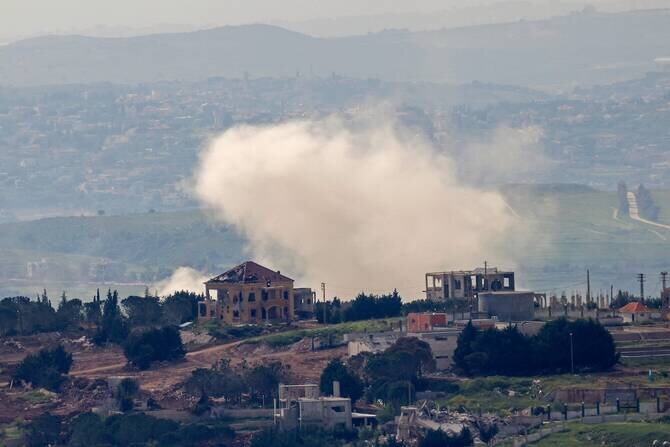
The Israeli military initiated airstrikes in the eastern region of Lebanon on Monday, marking an expansion of its bombing campaign during an ongoing ceasefire with Lebanese armed group Hezbollah.
This development signifies the first time the Bekaa Valley has been targeted since a ceasefire brokered by the United States took effect on April 16th, leading to a significant decrease in hostilities but not entirely halting exchanges of fire.
The strikes have primarily focused on areas in southern Lebanon and include the destruction of homes described as being used by Hezbollah for infrastructure purposes.
In response, Hezbollah has continued its drone and rocket attacks against Israeli troops stationed in Lebanon and northern Israel.
According to a spokesperson for the Israeli military, these strikes were conducted to target Hezbollah infrastructure both in the Bekaa Valley and southern regions of Lebanon.
While no casualties have been reported immediately following these strikes near Nabi Chit, close to the border with Syria, Lebanese state media reported at least three individuals wounded from several strikes across the south.
Hezbollah has claimed responsibility for attacking an Israeli tank in southern Lebanon using a drone.
The Israeli military confirmed that a drone launched by Hezbollah detonated near their troops without causing any casualties.
The ongoing conflict has resulted in more than 2,500 deaths due to Israeli strikes since March 2nd.
This escalation stems from Hezbollah’s support of its ally Iran and the subsequent Israeli ground and air campaign, which has left significant portions of southern Lebanon devastated.
The war has deepened divisions within Lebanese society concerning Hezbollah's decision to engage in armed conflict with Israel.
To facilitate a peace deal between the two longtime foes, the Lebanese and Israeli ambassadors to the United States have met twice to discuss the ceasefire.
However, direct negotiations are vehemently opposed by Hezbollah, with its leader Naim Qassem describing such talks as 'humiliating and unnecessary concessions.'
Lebanese President Joseph Aoun has defended the government's decision to engage in face-to-face talks, indirectly criticizing Hezbollah for their actions.
This development underlines a complex geopolitical situation where diplomatic efforts continue amidst ongoing military operations.
This development signifies the first time the Bekaa Valley has been targeted since a ceasefire brokered by the United States took effect on April 16th, leading to a significant decrease in hostilities but not entirely halting exchanges of fire.
The strikes have primarily focused on areas in southern Lebanon and include the destruction of homes described as being used by Hezbollah for infrastructure purposes.
In response, Hezbollah has continued its drone and rocket attacks against Israeli troops stationed in Lebanon and northern Israel.
According to a spokesperson for the Israeli military, these strikes were conducted to target Hezbollah infrastructure both in the Bekaa Valley and southern regions of Lebanon.
While no casualties have been reported immediately following these strikes near Nabi Chit, close to the border with Syria, Lebanese state media reported at least three individuals wounded from several strikes across the south.
Hezbollah has claimed responsibility for attacking an Israeli tank in southern Lebanon using a drone.
The Israeli military confirmed that a drone launched by Hezbollah detonated near their troops without causing any casualties.
The ongoing conflict has resulted in more than 2,500 deaths due to Israeli strikes since March 2nd.
This escalation stems from Hezbollah’s support of its ally Iran and the subsequent Israeli ground and air campaign, which has left significant portions of southern Lebanon devastated.
The war has deepened divisions within Lebanese society concerning Hezbollah's decision to engage in armed conflict with Israel.
To facilitate a peace deal between the two longtime foes, the Lebanese and Israeli ambassadors to the United States have met twice to discuss the ceasefire.
However, direct negotiations are vehemently opposed by Hezbollah, with its leader Naim Qassem describing such talks as 'humiliating and unnecessary concessions.'
Lebanese President Joseph Aoun has defended the government's decision to engage in face-to-face talks, indirectly criticizing Hezbollah for their actions.
This development underlines a complex geopolitical situation where diplomatic efforts continue amidst ongoing military operations.