Iran Resumes Hajj Travel to Saudi Arabia as Regional Normalization Deepens
The restoration of Iranian pilgrimage flows to Saudi Arabia marks a concrete step in post-rapprochement diplomacy, easing restrictions that had defined a decade of hostility and signaling broader geopolitical de-escalation across the Gulf.
ACTOR-DRIVEN diplomacy is reshaping one of the Middle East’s most sensitive bilateral relationships as Iran and Saudi Arabia expand practical cooperation through the resumption of Hajj pilgrimage travel, a development that reflects the consolidation of their 2023 rapprochement and the gradual normalization of state-to-state engagement after years of severed ties.
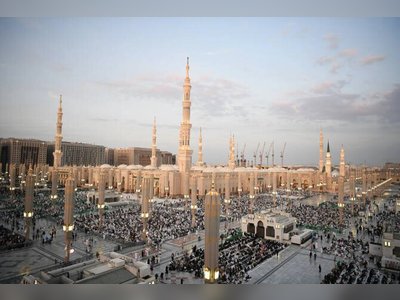
What is confirmed is that Iranian pilgrims have again begun traveling to Saudi Arabia for the Hajj season, including the arrival of the first organized groups in Medina in late April 2026 as part of the current pilgrimage cycle.
This movement represents the reinstatement of structured religious travel channels that had been disrupted following the breakdown of diplomatic relations in 2016 and only partially restored in recent years.
The operational mechanism of the resumption is administrative rather than symbolic.
Saudi authorities have reactivated visa processing and transit arrangements for Iranian pilgrimage groups, while Iranian religious and transport agencies coordinate outbound travel under agreed quotas and time windows typical of Hajj logistics.
The system is designed to manage one of the largest annual human movements in the world, with millions of pilgrims entering Saudi Arabia within a tightly controlled calendar.
The key issue is that Hajj access functions as both a religious obligation and a diplomatic instrument.
Even during periods of political rupture, both states have historically maintained limited pilgrimage channels, but these were constrained, indirect, or politically conditional.
The current arrangement reflects a shift toward standardized bilateral management rather than exceptional or ad hoc accommodation.
The thaw itself originates from the March 2023 China-mediated agreement that restored formal diplomatic relations between Tehran and Riyadh after seven years of hostility.
That rupture had been triggered by a chain of events including the execution of a Saudi Shia cleric, attacks on Saudi diplomatic missions in Iran, and wider regional rivalry across Yemen, Iraq, Lebanon, and Syria.
The restoration of ties reopened embassies and gradually expanded into functional cooperation in aviation, trade, and now religious logistics.
What is newly emerging is the degree to which pilgrimage coordination is being used as a stabilizing channel in an otherwise fragile relationship.
The Hajj framework requires operational trust: flight permissions, security coordination, consular processing, and crowd management all depend on sustained communication between institutions that previously had no functioning diplomatic pipeline.
This makes the pilgrimage system a barometer of broader political stability.
The stakes extend beyond religion.
Saudi Arabia’s leadership is pursuing a broader regional strategy focused on economic diversification, investment inflows, and reduced security exposure, while Iran seeks diplomatic breathing room amid sanctions pressure and regional isolation.
Stable pilgrimage arrangements reduce friction points in an already complex relationship and create predictable annual contact between the two governments.
The implications are also regional.
Improved Iran–Saudi operational coordination lowers the risk of localized crises escalating through miscommunication during one of the most logistically sensitive events in global religious travel.
It also strengthens the broader pattern of Middle Eastern de-escalation, where rival states increasingly rely on managed competition rather than direct confrontation.
The result is a durable but cautious normalization track in which Hajj is no longer just a religious duty but a structured diplomatic channel embedded within a wider architecture of controlled engagement between two historical rivals.
What is confirmed is that Iranian pilgrims have again begun traveling to Saudi Arabia for the Hajj season, including the arrival of the first organized groups in Medina in late April 2026 as part of the current pilgrimage cycle.
This movement represents the reinstatement of structured religious travel channels that had been disrupted following the breakdown of diplomatic relations in 2016 and only partially restored in recent years.
The operational mechanism of the resumption is administrative rather than symbolic.
Saudi authorities have reactivated visa processing and transit arrangements for Iranian pilgrimage groups, while Iranian religious and transport agencies coordinate outbound travel under agreed quotas and time windows typical of Hajj logistics.
The system is designed to manage one of the largest annual human movements in the world, with millions of pilgrims entering Saudi Arabia within a tightly controlled calendar.
The key issue is that Hajj access functions as both a religious obligation and a diplomatic instrument.
Even during periods of political rupture, both states have historically maintained limited pilgrimage channels, but these were constrained, indirect, or politically conditional.
The current arrangement reflects a shift toward standardized bilateral management rather than exceptional or ad hoc accommodation.
The thaw itself originates from the March 2023 China-mediated agreement that restored formal diplomatic relations between Tehran and Riyadh after seven years of hostility.
That rupture had been triggered by a chain of events including the execution of a Saudi Shia cleric, attacks on Saudi diplomatic missions in Iran, and wider regional rivalry across Yemen, Iraq, Lebanon, and Syria.
The restoration of ties reopened embassies and gradually expanded into functional cooperation in aviation, trade, and now religious logistics.
What is newly emerging is the degree to which pilgrimage coordination is being used as a stabilizing channel in an otherwise fragile relationship.
The Hajj framework requires operational trust: flight permissions, security coordination, consular processing, and crowd management all depend on sustained communication between institutions that previously had no functioning diplomatic pipeline.
This makes the pilgrimage system a barometer of broader political stability.
The stakes extend beyond religion.
Saudi Arabia’s leadership is pursuing a broader regional strategy focused on economic diversification, investment inflows, and reduced security exposure, while Iran seeks diplomatic breathing room amid sanctions pressure and regional isolation.
Stable pilgrimage arrangements reduce friction points in an already complex relationship and create predictable annual contact between the two governments.
The implications are also regional.
Improved Iran–Saudi operational coordination lowers the risk of localized crises escalating through miscommunication during one of the most logistically sensitive events in global religious travel.
It also strengthens the broader pattern of Middle Eastern de-escalation, where rival states increasingly rely on managed competition rather than direct confrontation.
The result is a durable but cautious normalization track in which Hajj is no longer just a religious duty but a structured diplomatic channel embedded within a wider architecture of controlled engagement between two historical rivals.