Iran Fires on Three Ships in Strait of Hormuz as Blockade Continues Amid Stalled Diplomacy
Tension escalates as Iran targets vessels in key waterway, while US maintains blockade and negotiations remain deadlocked.
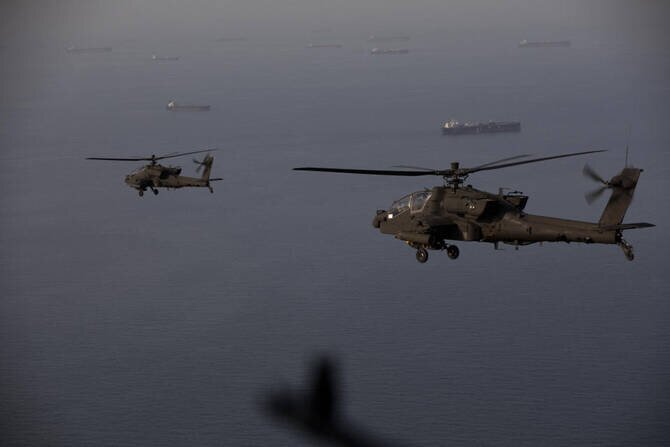
DUBAI: Iran fired upon three ships in the Strait of Hormuz and seized two of them on Wednesday, escalating its actions against shipping in the crucial waterway.
This move came a day after U.S. President Donald Trump extended a ceasefire but continued to enforce an American blockade of Iranian ports.
The ongoing standoff between the U.S. and Iran has effectively blocked nearly all exports through the Strait of Hormuz, which sees about 20% of the world's traded oil pass through in peacetime, with no immediate resolution in sight.
According to Iranian media, the paramilitary Revolutionary Guard is bringing the two seized ships to Iran, marking a further escalation, though the White House stated that these actions did not violate the ceasefire terms.
The conflict has already driven gas prices up significantly beyond regional levels and increased the cost of food and many other products.
The price of Brent crude oil, the international benchmark, surpassed $100 per barrel, representing a 35% increase from pre-war levels.
Despite this, stock markets appear to be largely unfazed.
The European Union's energy commissioner, Dan Jørgensen, warned of the prolonged impact on consumers and businesses, likening it to other major energy crises in recent history.
The disruption is estimated to cost Europe around 500 million euros ($600 million) each day.
Iran remains firm in its actions, seemingly engaged in a tit-for-tat with the U.S., as Iranian media reported that the MSC Francesca and the Epaminondas were being escorted to Iran.
The U.S. had previously seized two Iranian vessels during the ceasefire negotiations that were taking place in Pakistan.
Technomar, the management company responsible for the Liberian-registered Epaminondas, claimed that the vessel was 'approached and fired upon by a manned gunboat' off the coast of Oman, causing damage to the ship's bridge.
A second cargo ship came under fire later without sustaining any reported damage but was subsequently stopped in the water.
No injuries were reported for either crew.
Panama condemned what it termed as the 'illegal seizure' of the Panama-flagged MSC Francesca, describing this as a serious attack on maritime security.
The Revolutionary Guard also targeted a third vessel identified as the Euphoria, which had become stranded on the Iranian coast, though further details were not provided.
The White House stated that Iran's actions did not violate the truce terms since the seized ships were not American or Israeli vessels but rather international vessels.
Since the beginning of hostilities on February 28th, with a surprise attack by the U.S. and Israel on Iran, there have been over 30 attacks on ships in the Middle East region.
Before this conflict, the Strait of Hormuz remained open for all traffic.
Vortexa, an analytics firm specializing in global energy and freight markets, recorded 34 movements of sanctioned and Iranian-linked tankers within and out of the Arabian Gulf in the week following the U.S.'s imposition of its blockade on April 13.
Out of these, six outbound movements were confirmed to carry Iranian crude, representing around 10.7 million barrels.
The restart of negotiations remains uncertain at this time.
Iran has demonstrated an ability to restrict traffic through the Strait of Hormuz, a strategic advantage that continues to influence global energy supplies.
While the ceasefire has paused American and Israeli airstrikes in Iran and reduced missile targeting of Israel and the wider Middle East, the maritime standoff persists and may escalate further without diplomatic agreement.
The attacks deter ships from passing through the waterway, further straining global energy availability.
Mohammad Bagher Qalibaf, Iran's parliament speaker who met with U.S. Vice President J.D. Vance in Pakistan earlier this month, stated that a complete ceasefire only makes sense if it is not violated by the American blockade of Iranian ports.
He wrote on X that reopening the Strait of Hormuz is currently impossible due to the blatant violation of the ceasefire.
Iran's Foreign Ministry spokesperson, Esmail Baghaei, told state TV that Iran has not decided whether to participate in new rounds of negotiations and accused the U.S. of 'disregard and lack of good faith' in previous talks.
Mojtaba Ferdousi Pour, head of the Iranian mission in Egypt, informed The Associated Press that no delegation would travel to Pakistan for negotiations until the U.S. lifts its blockade.
The U.S. has turned back 31 vessels since imposing its blockade, according to the U.S. Central Command's statement on Thursday.
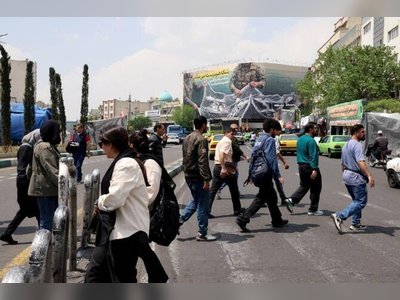
In Tehran, uncertainty prevails among many citizens.
Mashallah Mohammad Sadegh, 59, expressed confusion over the ongoing situation: "We should know where we stand.
Is it going to be a ceasefire, peace, or will the war continue?"
Casualties rise in Lebanon amid new talks plans: In southern Lebanon, Israeli strikes resulted in at least six fatalities and several injuries according to local authorities.
Israel denied involvement in one of these strikes and has not yet commented on others.
An Israeli drone struck the village of Jabbour, killing one person and wounding two others, as reported by Lebanon's state-run National News Agency.
Israel's military denied any attacks in this area.
Lebanon's health ministry confirmed that two Israeli strikes on Al-Tiri village killed three people, including a newspaper correspondent, and injured another journalist.
The body of Lebanese reporter Amal Khalil, who worked for the daily Al-Akhbar, was recovered from the rubble after several hours, with a team searching for her being unable to reach her amid firing by Israeli forces at an ambulance.
Khalil had been covering Israel-Hezbollah hostilities since October 2023 and reported during the latest war.
Israel's military alleged that individuals in Al-Tiri posed a risk to their troops' safety and denied any involvement in preventing rescue efforts or targeting journalists.
The Lebanese Health Ministry also reported two fatalities from an Israeli strike on the village of Yohmor, along with injuries to two others.
Hezbollah launched rockets into Israel from Lebanon shortly after the war's outbreak, leading to retaliatory strikes and an Israeli ground invasion.
The ceasefire that began on Friday has been marred by several Israeli strikes and Hezbollah’s first claimed attack occurred on Tuesday.
French President Emmanuel Macron stated that a French peacekeeper died of his wounds from small-arms fire in southern Lebanon over the weekend.
Another French peacekeeper was killed during this incident.
Macron attributed the attack to Hezbollah, which denied any involvement.
Since the onset of the war, at least 3,375 individuals have been killed in Iran according to authorities.
Over 2,290 people have lost their lives in Lebanon, while 23 deaths occurred in Israel and more than a dozen fatalities were reported in Gulf Arab states.
Fifteen Israeli soldiers and 13 U.S. service members have also been killed.
This move came a day after U.S. President Donald Trump extended a ceasefire but continued to enforce an American blockade of Iranian ports.
The ongoing standoff between the U.S. and Iran has effectively blocked nearly all exports through the Strait of Hormuz, which sees about 20% of the world's traded oil pass through in peacetime, with no immediate resolution in sight.
According to Iranian media, the paramilitary Revolutionary Guard is bringing the two seized ships to Iran, marking a further escalation, though the White House stated that these actions did not violate the ceasefire terms.
The conflict has already driven gas prices up significantly beyond regional levels and increased the cost of food and many other products.
The price of Brent crude oil, the international benchmark, surpassed $100 per barrel, representing a 35% increase from pre-war levels.
Despite this, stock markets appear to be largely unfazed.
The European Union's energy commissioner, Dan Jørgensen, warned of the prolonged impact on consumers and businesses, likening it to other major energy crises in recent history.
The disruption is estimated to cost Europe around 500 million euros ($600 million) each day.
Iran remains firm in its actions, seemingly engaged in a tit-for-tat with the U.S., as Iranian media reported that the MSC Francesca and the Epaminondas were being escorted to Iran.
The U.S. had previously seized two Iranian vessels during the ceasefire negotiations that were taking place in Pakistan.
Technomar, the management company responsible for the Liberian-registered Epaminondas, claimed that the vessel was 'approached and fired upon by a manned gunboat' off the coast of Oman, causing damage to the ship's bridge.
A second cargo ship came under fire later without sustaining any reported damage but was subsequently stopped in the water.
No injuries were reported for either crew.
Panama condemned what it termed as the 'illegal seizure' of the Panama-flagged MSC Francesca, describing this as a serious attack on maritime security.
The Revolutionary Guard also targeted a third vessel identified as the Euphoria, which had become stranded on the Iranian coast, though further details were not provided.
The White House stated that Iran's actions did not violate the truce terms since the seized ships were not American or Israeli vessels but rather international vessels.
Since the beginning of hostilities on February 28th, with a surprise attack by the U.S. and Israel on Iran, there have been over 30 attacks on ships in the Middle East region.
Before this conflict, the Strait of Hormuz remained open for all traffic.
Vortexa, an analytics firm specializing in global energy and freight markets, recorded 34 movements of sanctioned and Iranian-linked tankers within and out of the Arabian Gulf in the week following the U.S.'s imposition of its blockade on April 13.
Out of these, six outbound movements were confirmed to carry Iranian crude, representing around 10.7 million barrels.
The restart of negotiations remains uncertain at this time.
Iran has demonstrated an ability to restrict traffic through the Strait of Hormuz, a strategic advantage that continues to influence global energy supplies.
While the ceasefire has paused American and Israeli airstrikes in Iran and reduced missile targeting of Israel and the wider Middle East, the maritime standoff persists and may escalate further without diplomatic agreement.
The attacks deter ships from passing through the waterway, further straining global energy availability.
Mohammad Bagher Qalibaf, Iran's parliament speaker who met with U.S. Vice President J.D. Vance in Pakistan earlier this month, stated that a complete ceasefire only makes sense if it is not violated by the American blockade of Iranian ports.
He wrote on X that reopening the Strait of Hormuz is currently impossible due to the blatant violation of the ceasefire.
Iran's Foreign Ministry spokesperson, Esmail Baghaei, told state TV that Iran has not decided whether to participate in new rounds of negotiations and accused the U.S. of 'disregard and lack of good faith' in previous talks.
Mojtaba Ferdousi Pour, head of the Iranian mission in Egypt, informed The Associated Press that no delegation would travel to Pakistan for negotiations until the U.S. lifts its blockade.
The U.S. has turned back 31 vessels since imposing its blockade, according to the U.S. Central Command's statement on Thursday.
In Tehran, uncertainty prevails among many citizens.
Mashallah Mohammad Sadegh, 59, expressed confusion over the ongoing situation: "We should know where we stand.
Is it going to be a ceasefire, peace, or will the war continue?"
Casualties rise in Lebanon amid new talks plans: In southern Lebanon, Israeli strikes resulted in at least six fatalities and several injuries according to local authorities.
Israel denied involvement in one of these strikes and has not yet commented on others.
An Israeli drone struck the village of Jabbour, killing one person and wounding two others, as reported by Lebanon's state-run National News Agency.
Israel's military denied any attacks in this area.
Lebanon's health ministry confirmed that two Israeli strikes on Al-Tiri village killed three people, including a newspaper correspondent, and injured another journalist.
The body of Lebanese reporter Amal Khalil, who worked for the daily Al-Akhbar, was recovered from the rubble after several hours, with a team searching for her being unable to reach her amid firing by Israeli forces at an ambulance.
Khalil had been covering Israel-Hezbollah hostilities since October 2023 and reported during the latest war.
Israel's military alleged that individuals in Al-Tiri posed a risk to their troops' safety and denied any involvement in preventing rescue efforts or targeting journalists.
The Lebanese Health Ministry also reported two fatalities from an Israeli strike on the village of Yohmor, along with injuries to two others.
Hezbollah launched rockets into Israel from Lebanon shortly after the war's outbreak, leading to retaliatory strikes and an Israeli ground invasion.
The ceasefire that began on Friday has been marred by several Israeli strikes and Hezbollah’s first claimed attack occurred on Tuesday.
French President Emmanuel Macron stated that a French peacekeeper died of his wounds from small-arms fire in southern Lebanon over the weekend.
Another French peacekeeper was killed during this incident.
Macron attributed the attack to Hezbollah, which denied any involvement.
Since the onset of the war, at least 3,375 individuals have been killed in Iran according to authorities.
Over 2,290 people have lost their lives in Lebanon, while 23 deaths occurred in Israel and more than a dozen fatalities were reported in Gulf Arab states.
Fifteen Israeli soldiers and 13 U.S. service members have also been killed.