Intelligence Assessments Highlight China’s Strategic Gains Amid Iran Conflict Pressure on U.S. Influence
A reported intelligence analysis suggests the Iran-related escalation is reshaping global power competition, strengthening Beijing’s diplomatic position while stretching U.S. attention across multiple theaters
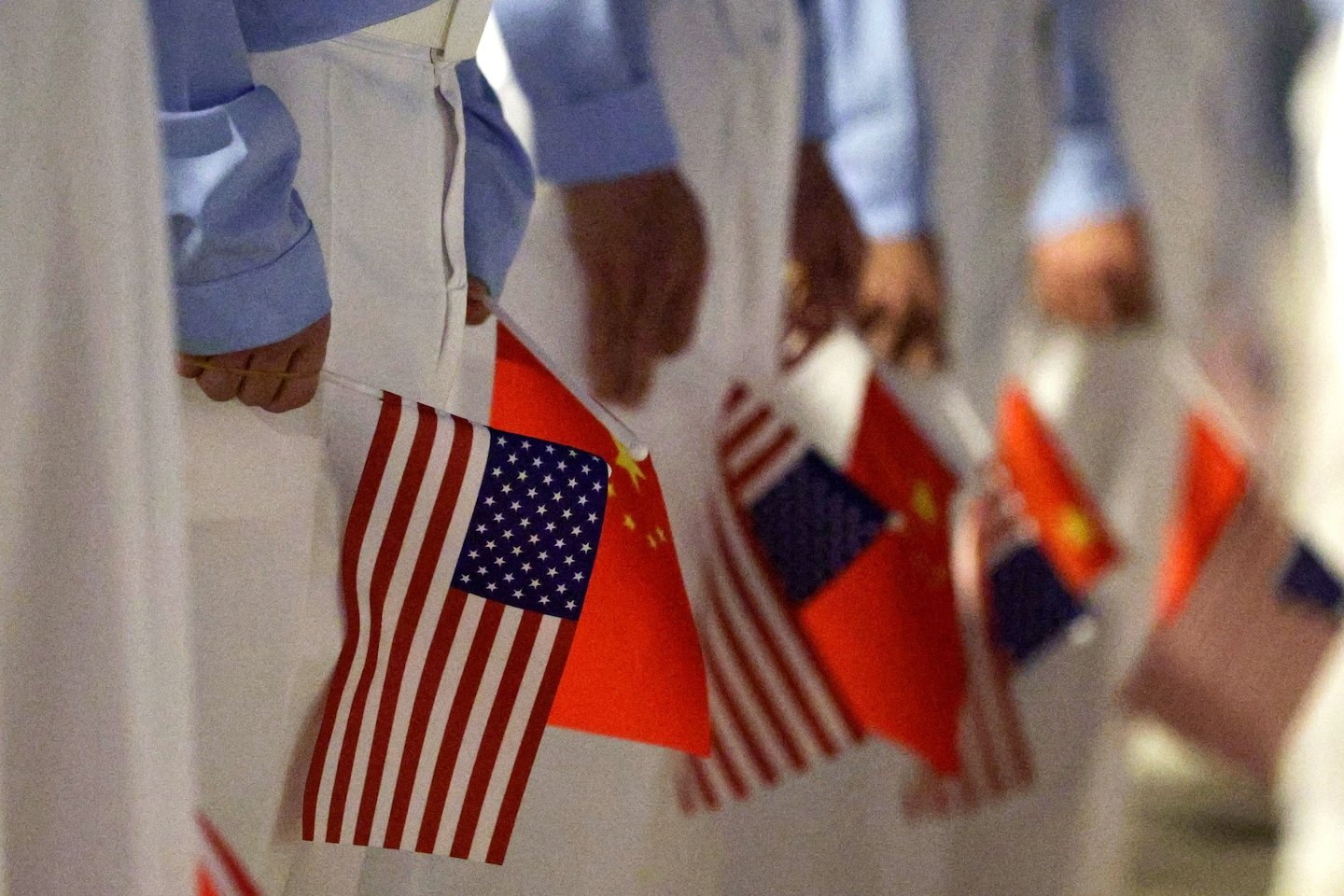
A new intelligence assessment indicating that China has gained strategic advantage over the United States amid heightened conflict involving Iran points to shifting geopolitical dynamics driven by simultaneous crises in the Middle East and broader great-power competition.
The analysis reflects how regional wars can produce second-order effects that reshape global influence far beyond the immediate battlefield.
The central driver of the story is systemic geopolitical strain: the United States is managing overlapping security commitments and crisis responses while China continues to expand diplomatic, economic, and strategic engagement across regions affected by instability.
This divergence in focus creates openings for Beijing to position itself as a consistent economic partner and mediator in regions where U.S. attention is partially diverted.
The Iran-related conflict environment has increased pressure on Washington’s foreign policy bandwidth.
US decision-makers are balancing deterrence posture in the Middle East, security commitments to Israel and Gulf partners, and ongoing military and intelligence coordination across multiple fronts.
This multi-theater involvement limits the capacity for sustained diplomatic concentration in other strategic regions.
China, by contrast, has pursued a policy of selective engagement, emphasizing economic ties, infrastructure investment, and diplomatic outreach in the Global South and parts of the Middle East.
Beijing has also increased its visibility as a broker in regional normalization efforts, including prior diplomatic initiatives involving rival regional powers.
This approach allows China to gain influence without direct military involvement in active conflict zones.
The intelligence assessment framework underlying the report typically focuses on comparative strategic positioning rather than single events.
In this context, “advantage” does not imply direct military superiority but rather relative diplomatic and economic positioning, including perceptions of reliability, consistency, and long-term engagement among partner states.
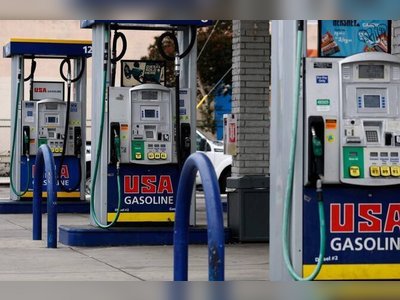
Energy markets are another factor shaping the strategic environment.
Iran’s role in global energy supply chains and the broader Middle East security situation affect oil flows, shipping security, and pricing stability.
These conditions influence both U.S. allies and China, which remains a major importer of energy resources and has strong incentives to maintain stable trade routes while avoiding direct military entanglement.
The situation also reflects broader structural competition between the two powers.
The United States maintains extensive alliance networks and forward military presence, while China relies on economic integration, state-led investment, and expanding trade relationships.
Periods of crisis can amplify the strengths of each model differently depending on global conditions and regional perceptions.
The implications of the assessment extend beyond the immediate Iran-related tensions.
If sustained, the trend could reinforce a pattern in which China accumulates diplomatic influence in regions where U.S. attention is divided by security crises, while the United States continues to carry heavier burdens in conflict management and deterrence operations.
The evolving balance does not represent a fixed shift in global leadership but rather a dynamic adjustment shaped by concurrent conflicts, economic interdependence, and strategic competition across multiple regions.
The trajectory will depend on how both powers allocate resources, manage alliances, and respond to further escalation risks in the Middle East and beyond.
The analysis reflects how regional wars can produce second-order effects that reshape global influence far beyond the immediate battlefield.
The central driver of the story is systemic geopolitical strain: the United States is managing overlapping security commitments and crisis responses while China continues to expand diplomatic, economic, and strategic engagement across regions affected by instability.
This divergence in focus creates openings for Beijing to position itself as a consistent economic partner and mediator in regions where U.S. attention is partially diverted.
The Iran-related conflict environment has increased pressure on Washington’s foreign policy bandwidth.
US decision-makers are balancing deterrence posture in the Middle East, security commitments to Israel and Gulf partners, and ongoing military and intelligence coordination across multiple fronts.
This multi-theater involvement limits the capacity for sustained diplomatic concentration in other strategic regions.
China, by contrast, has pursued a policy of selective engagement, emphasizing economic ties, infrastructure investment, and diplomatic outreach in the Global South and parts of the Middle East.
Beijing has also increased its visibility as a broker in regional normalization efforts, including prior diplomatic initiatives involving rival regional powers.
This approach allows China to gain influence without direct military involvement in active conflict zones.
The intelligence assessment framework underlying the report typically focuses on comparative strategic positioning rather than single events.
In this context, “advantage” does not imply direct military superiority but rather relative diplomatic and economic positioning, including perceptions of reliability, consistency, and long-term engagement among partner states.
Energy markets are another factor shaping the strategic environment.
Iran’s role in global energy supply chains and the broader Middle East security situation affect oil flows, shipping security, and pricing stability.
These conditions influence both U.S. allies and China, which remains a major importer of energy resources and has strong incentives to maintain stable trade routes while avoiding direct military entanglement.
The situation also reflects broader structural competition between the two powers.
The United States maintains extensive alliance networks and forward military presence, while China relies on economic integration, state-led investment, and expanding trade relationships.
Periods of crisis can amplify the strengths of each model differently depending on global conditions and regional perceptions.
The implications of the assessment extend beyond the immediate Iran-related tensions.
If sustained, the trend could reinforce a pattern in which China accumulates diplomatic influence in regions where U.S. attention is divided by security crises, while the United States continues to carry heavier burdens in conflict management and deterrence operations.
The evolving balance does not represent a fixed shift in global leadership but rather a dynamic adjustment shaped by concurrent conflicts, economic interdependence, and strategic competition across multiple regions.
The trajectory will depend on how both powers allocate resources, manage alliances, and respond to further escalation risks in the Middle East and beyond.