

How to buy a secondhand smartphone – and what to look out for
Smartphones are a key part of modern life but with prices routinely in excess of £1,000 for the latest high-end handsets, should you be considering cheaper secondhand or refurbished models instead?
These have the potential to be good for your wallet and the planet, as any device that is given a second life instead of being recycled reduces its lifetime environmental impact and, with it, your footprint.
Among those likely to be mulling over their mobile phone options at the moment are many parents of children going back to school after the summer break. Starting secondary school in particular is traditionally a time when many kids receive their first – or an upgraded – phone.
But when buying secondhand, there are some potential pitfalls to avoid, so here’s what you need to know to grab yourself a bargain.
Secondhand, preowned or refurbished?
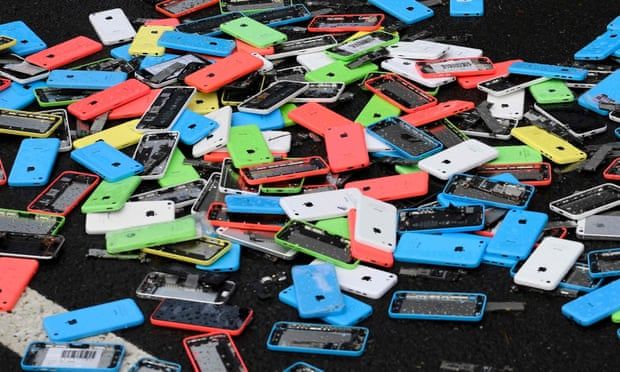 Secondhand
smartphones come in a plethora of different types, conditions and
prices. Just avoid those marked ‘for spares or repair’.
Secondhand
smartphones come in a plethora of different types, conditions and
prices. Just avoid those marked ‘for spares or repair’.
There are several different types of secondhand phone. There are the preowned or used phones that are sold on when no longer wanted, typically via websites such as eBay or certain high street retailers.
Then there are those that are refurbished or reconditioned, which broadly come in two different types: manufacturer-refurbished and retailer-refurbished.
The first is a device that has been fully reconditioned to be “as new”, typically including a new battery and often a new outer casing. These are the most expensive type of secondhand phone and usually come with new accessories and a full warranty. If you just want a new phone with a lower environmental footprint than brand-new, this is the option to go for.
Retailer-refurbished devices are a step down. They are secondhand phones that have been tested to check they work and repaired if necessary but they vary in condition. There are a great many more retailer-refurbished models, and they are typically cheaper than manufacturer-refurbished phones. They are often sold using grades, which describe the external condition of the phone.
While the grades of secondhand phones are not legal definitions and therefore vary between retailers, here’s what you can roughly expect:
* Grade A – virtually identical in condition to a new phone without marks on the outside, often with the original box and accessories. These are often customer returns rather than trade-ins.
* Grade B – in full working order but not in perfect nick. Typically there will be light scratches, dents or nicks. They may come with original accessories.
* Grade C – in full working order but visibly worn and typically sold without their original accessories.
* Grade D – also known as “for spares and repairs” or similar. These are broken devices sold for people to fix or gut for parts.
If you are thinking about a phone for your child, some would argue that you should get them a cheap handset that isn’t going to attract attention and appeal to thieves.
Parents often use returning to school as an opportunity to upgrade their own phone and pass on their well-used handset to their child, and in many cases that may well be the best bet as long as it is still supported with security updates – although many kids would doubtless have something to say about that.
What protections do you get?
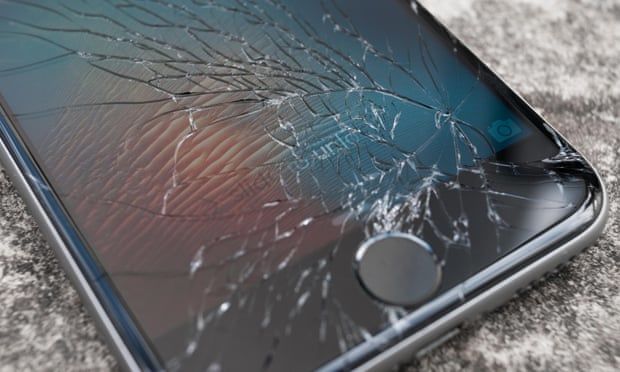 Beware any private sale that doesn’t have a thorough description of the condition of the phone or show a picture of the screen.
Secondhand non-refurbished phones are typically the cheapest but be very careful when buying from private sellers as your legal protections are different to shopping with a business.
A private seller must not misrepresent the phone but they do not have to disclose faults either. They are unlikely to provide a warranty but you will be still covered by any manufacturer’s warranty that is left – unless, say, the previous owner had a repair done that voided it. It is also worth ensuring that the phone you are buying isn’t stolen by checking its 15-digit identification number, called the IMEI, against a database of stolen phones through a service such as CheckMEND or similar.
Make sure you inspect any listings carefully, read reviews or feedback of the seller and ask questions if in doubt.
Your rights when buying secondhand or refurbished from a business are similar to when buying new. Under the Consumer Rights Act 2015, you have 30 days to return the phone if it isn’t as described or fit for purpose, and if the phone develops a fault within six months, it is up to the retailer to prove it was fault-free when sold. Retailers will typically provide a 12-month or longer warranty, too, and you may still be covered by the original manufacturer’s warranty, if there is any remaining.
What to look out for
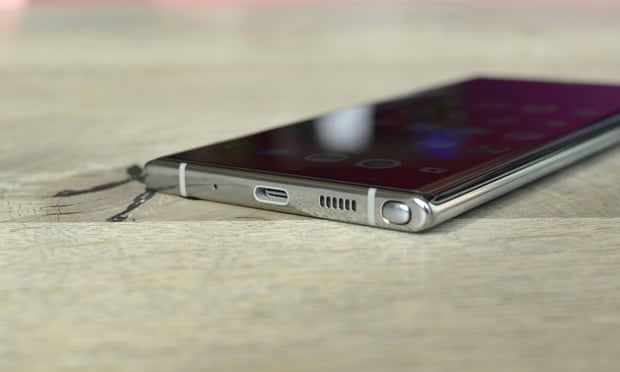 The USB-C or Lightning charging port is one of the few wear points on a modern smartphone, so check its condition. Photograph: Samuel Gibbs/The Guardian
When buying a secondhand or refurbished phone, there are a few things to keep an eye out for:
* Battery health Batteries wear out faster than the rest of the phone, typically only maintaining up to 80% of their original capacity after 500 full-charge cycles, or about two years charging every night. Has it been replaced?
* Charging port Check for signs of damage as the charging port will be one of the first parts to wear out or break.
* Buttons Check all the buttons work, even when you don’t press too hard, as a faulty button could render the phone very difficult to use and may be expensive to fix.
* Network locks Check the phone works with the mobile phone provider of your choice as some smartphones are originally sold locked to certain providers and must be unlocked before being used on another.
* Repairs using unauthorised parts Not all repairs are done by the manufacturer or using certified parts, which can cause problems.
Where to buy
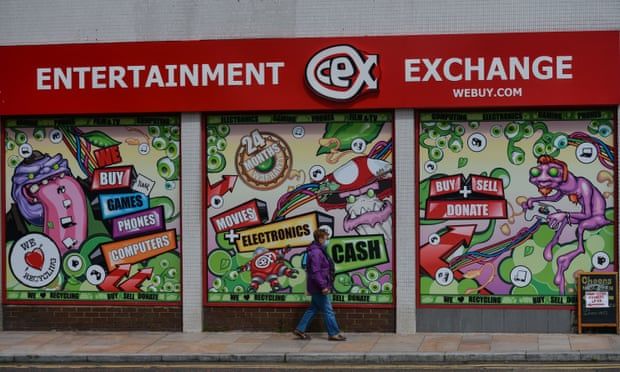 CeX is one of a handful of secondhand goods
stores still on the high street that has a range of used smartphones
in-store and online.
CeX is one of a handful of secondhand goods
stores still on the high street that has a range of used smartphones
in-store and online.
The consumer body Which? published an article last month that mentions a number of names including the secondhand goods chain CeX and the retailer Game.
The latter’s website this week featured a range of refurbished handsets from companies such as Apple and Samsung. Game says it conducts 20 checks on all its refurbished phones, and that all preowned handsets come with a 12-month warranty.
Also mentioned by Which? is Envirofone, one of the best-known names in this sector, which says it stocks “a colossal range of refurbished phones at a fraction of high street prices” and also provides a 12-month warranty. This week its website was listing phones made by Apple, Google, OnePlus, Samsung and Sony, among others. Envirofone’s original parent company, Redeem, went into administration in July last year but the UK assets, including the Envirofone brand, were quickly snapped up by the IT group TES.
Another well-known seller of refurbished smartphones is the website musicMagpie, which again offers a 12-month warranty. It says it is “one of the UK’s biggest sellers of refurbished iPhones, with over 150,000 devices sold a year”.
Back Market, meanwhile, is essentially a marketplace for smaller refurbishers, and its website was this week listing more than 1,300 smartphones with an average price of £228. It offers a “12-month minimum” warranty.
When looking into retailers and websites, check out the reviews on sites such as Trustpilot. On Trustpilot this week, Envirofone, musicMagpie and Back Market all had “excellent” scores of 4.6 to 4.7, while CeX had a score of 4.3.
Which? points out that in addition to the various retailers and websites, most major UK networks will also have deals on refurbished handsets, although you will be tied into a contract with that network.
Beware old phones
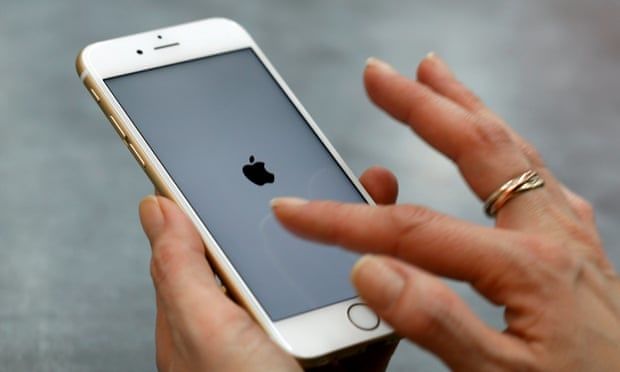 The iPhone 6 may still work fine but its
software is no longer supported and therefore vulnerable to security
bugs that make it a risk to use.
The iPhone 6 may still work fine but its
software is no longer supported and therefore vulnerable to security
bugs that make it a risk to use.
One of the biggest problems with buying secondhand or refurbished models is that smartphones have a limited software support life.
Disappointingly, most manufacturers will only provide updates for their smartphones for three years from release – not from the point you buy it. The exceptions are Samsung, which provides at least four years of updates for a large range of its flagship and mid-range smartphones launched since 2019, and Apple, which typically supports all of its smartphones for at least five years from release.
Smartphones contain a treasure trove of information relating to every aspect of modern life, so you should not be using a model that no longer receives updates as it will be vulnerable to hackers.
“Malicious actors are becoming better at exploiting devices left to age without protection, and this is not something to be taken lightly,” says Jake Moore, a cybersecurity specialist at the internet security and antivirus company ESET.
“Phone updates do far more than many people may ever realise, as they patch multiple bugs in the background which have come to the attention of developers. Once security updates are no longer applicable, your phone enters a danger zone, making it a case of not if but when.” Unpatched devices remain vulnerable to things such as data theft and other serious issues.
Before buying a secondhand smartphone, find out when it was first released and how long it will receive updates for as many two-year-old smartphones could effectively only be safe to use for a single year.
Before you start using a preowned phone
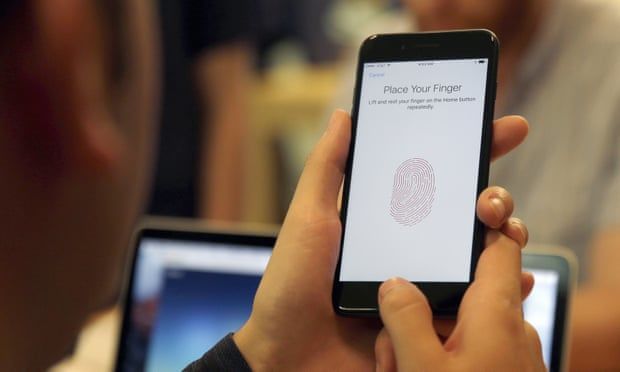 Make sure the phone you have bought has been factory reset to erase all previous data and allow you to set it up as new.
If you end up buying a preowned or used phone, the UK’s National Cyber Security Centre offers advice about what to do before you start using it.
It says it is a good idea to erase all the personal data on it (of course, this may have already been done) by performing a “factory reset”. This reset will delete the previous owner’s data and settings, including messages, contacts, photos, browsing history, wifi codes, passwords and any apps they installed. This will also ensure your phone is in the best possible state before you start using it.
However, if you buy a secondhand phone that’s not refurbished, you need to make sure it doesn’t have an activation lock still on it. All Apple phones and most good Android phones cannot be set up again after a factory reset unless the phone has been removed from the previous owner’s account and the activation lock has been deactivated. It is a system that stops thieves resetting stolen phones and selling them on.
The ethical and repairable alternative
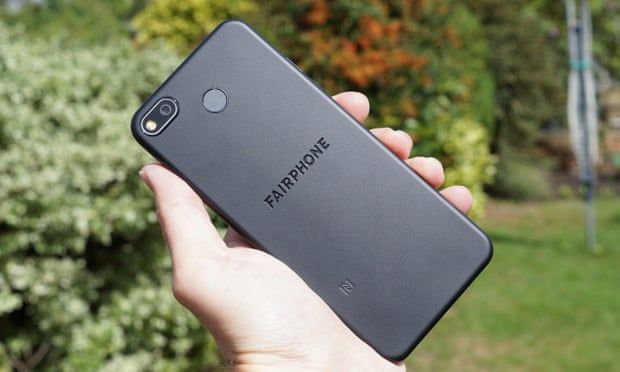 If you want the most ethical new smartphone you can buy, the Fairphone 3+ is it.
If your motivation for buying a refurbished phone is more to do with the environment than the price, the Fairphone 3+ is a viable alternative, costing £399.
Made by a Dutch social enterprise from recycled materials, Fairtrade gold and conflict-free minerals, the Fairphone 3+ is the most ethical smartphone you can buy. It has a user-replaceable battery, just like the good old days, and is made of modular parts that you can swap out yourself with the included screwdriver if something breaks. It will even get five years of software support from release, meaning you should get at least four more years of use.
Top picks and how much they cost
If you are convinced that a refurbished phone is for you, make sure you shop around and buy direct from a reputable retailer such as Apple, a mobile phone network such as O2 or a specialist refurbisher such as musicMagpie. Here are my picks of the currently available models.
iPhone 11 Pro
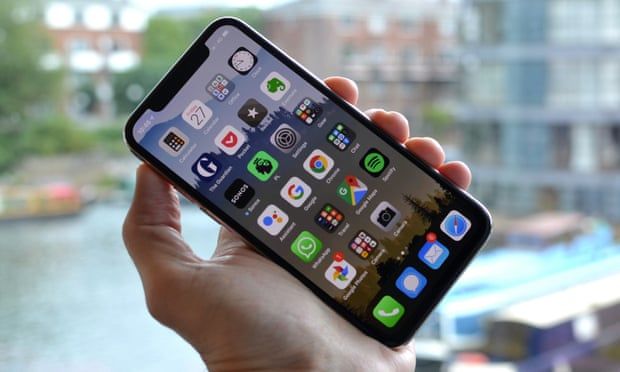 The iPhone 11 Pro was the pick of 2019’s Apple smartphone lineup and is available refurbished direct from the manufacturer.
 Price: £759
If you want a manufacturer-refurbished iPhone, the Apple refurbished store is the only place to get them. Stock varies, with the best available at the time of writing being 2019’s iPhone 11 Pro at £759 with 64GB of storage. At the time of its release in September 2019, it cost £1,049 and was the best small phone available. It has a 5.8in screen, 12-megapixel triple rear camera, reasonable battery life when new, and Face ID face recognition.
It will probably receive software updates until at least September 2024 – and probably beyond that date – meaning you will get three-plus years out of it. Note that it does not have 5G.
iPhone SE (2020)
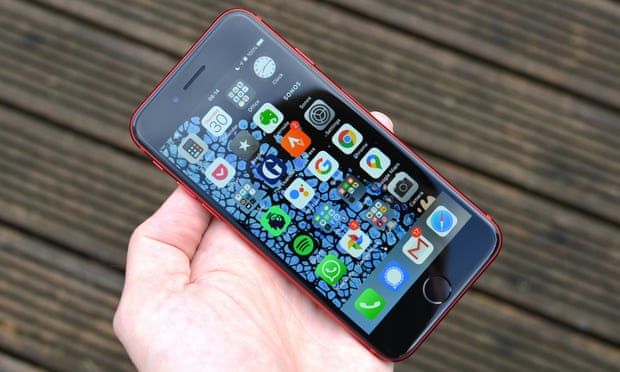 The iPhone SE (2020) was unbeatable value when new and is just as much of a bargain refurbished.
 Price: £248-£320
The best-value Apple phone is the iPhone SE (2020), which still has an older design but was released in April 2020 and should receive updates until at least September 2025.
It was an absolute bargain when new, costing £399 for 64GB, and matching the iPhone 11 on processor and software. It has a comparatively small 4.7in screen, the old-style iPhone home button with Touch ID fingerprint scanner, a day’s battery (when new) and a simple 12-megapixel camera on the back.
Shopping around, you can find it retailer-refurbished for as low as £248, with “pristine” examples around the £320 mark. You should get at least four years of software updates. The battery can be replaced by Apple for £49 to keep it going longer down the road. Note that it does not have 5G.
Samsung Galaxy S10e
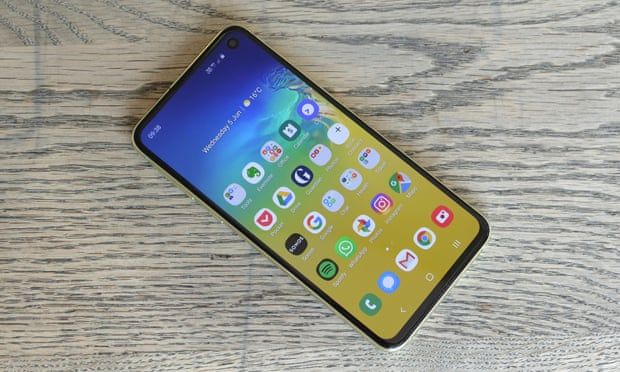 The Galaxy S10e was Samsung’s smaller and cheaper 2019 model but will still get at least four years of updates from release.
Price: £170-£300
One of the best-value retailer-refurbished Android phones is the Samsung Galaxy S10e. It was good on release in March 2019, featuring a smaller design, a more reliable traditional fingerprint scanner and a decent camera on the back.
New, it had a day’s battery, solid performance and a good screen. Samsung’s four-year software update policy means it should receive support until at least March 2023, meaning you should get about two years use out of it. Prices range from about £170 to £305 for pristine examples. A battery replacement by Samsung will cost £99, or about £60 at third-party repair shops.