Saudi Press

Saudi Arabia and the world
Wednesday, Dec 24, 2025

Hefty fines and penalties for violators of hazardous material disposal laws, say Saudi officials

Hefty fines and penalties for violators of hazardous material disposal laws, say Saudi officials

The National Center for Environmental Compliance said those who illegally dispose of “hazardous materials in environmental surroundings” face up to 10 years in prison, a fine of up to SR30 million ($8 million), or both penalties.

The penalties are due to “the gravity of this violation and the resulting severe damage to the environment,” according to the center’s official spokesman, Abdullah Sayel Al-Mutairi.

According to Saudi Arabia’s environmental laws, hazardous waste is “waste that causes harm to the environment, its components, and human health, and retains dangerous or infectious properties, such as high toxicity, explosiveness, or interaction, and has no use unless it is treated in accordance with special requirements.”
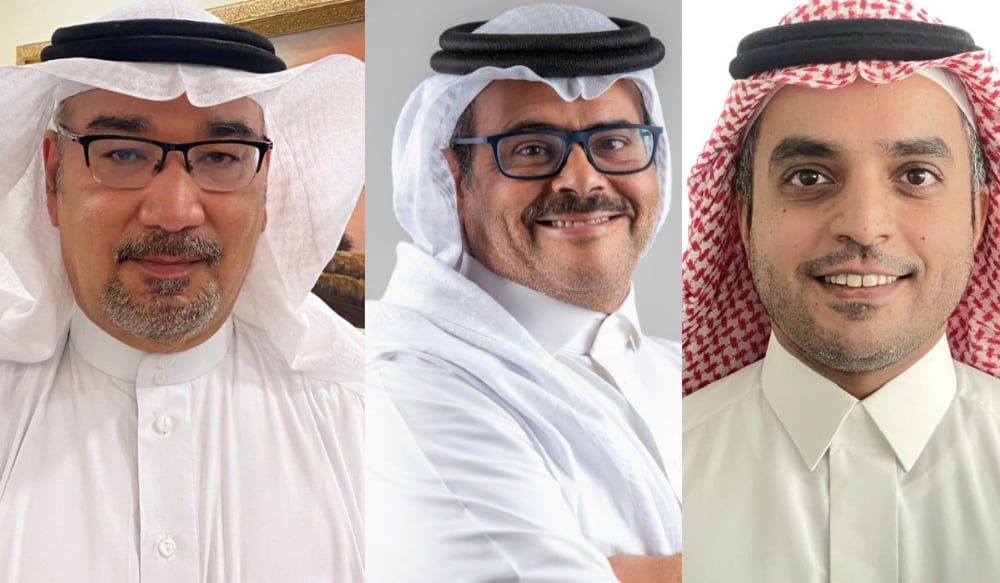

(L to R) Dr. Fahd Turkestani, Abdullah Sayel Al-Mutairi and Dr. Sattam Al-Mojil.

Al-Mutairi urged citizens, residents, and public and private facilities to “avoid the disposal of hazardous materials in environmental surroundings” and to report any cases of improper disposal to preserve the environment.

The spokesman emphasized the importance of obtaining the necessary licenses and permits before engaging in any activity that may have an impact on the environment.

Sattam Al-Mojil, assistant professor of environmental engineering at King Saud University, said this action is part of the National Environment Strategy 2030, in accordance with which many regulations have been created in order to achieve national objectives as well as sectoral and regional targets for environmental development.

Hazardous pollutants, whether liquid, solid, or gaseous, are viewed as primary pollutants that should be dealt with accordingly because of the significant harm they pose to the environment’s components, such as soil and surface water, and to living organisms. As a result, those who improperly dispose of hazardous waste now face harsher penalties.

Al-Mojil, who is also an advisor at the Ministry of Economy and Planning, noted that there are numerous programs, initiatives and joint government efforts with private sector participation aimed at achieving sound waste management in the Kingdom.

He emphasized the importance of raising awareness about the risks and necessary procedures and providing treatment plants or finding suitable landfills for the final disposal of hazardous waste, with capacities compatible with industrial and economic activity in the region.

Al-Mojil said that this latest step is a continuation of previous efforts and will be improved upon until targets are met. The hefty fines will help to ensure the proper management of hazardous waste, from production sites to the final stage of disposal, in a systematic manner.

Among these efforts is the Kingdom’s Comprehensive Waste Management Project, which was prepared in 2018 by the Ministry of Economy and Planning and which would see the establishment of a center to control all types of waste management in the Kingdom, both hazardous and non-hazardous.

Dr. Fahd Turkestani, associate professor of chemistry at Umm Al-Qura University, said that waste “comes primarily from factories that use hazardous and toxic chemicals such as cobalt, nickel, cyanide, and mercury.”

Radioactive waste is considered hazardous to the land and lethal to living organisms and may have a direct impact on groundwater or water resources as it remains in the land for years, causing serious environmental damage.

Turkestani believes that the “severe” penalties imposed on violators of the hazardous material laws are proportionate to their actions, which may be considered crimes against nature.

Newsletter

Related Articles

Saudi Press
0:00
0:00
Close
Saudi Arabia’s 2025: A Pivotal Year of Global Engagement and Domestic Transformation
Saudi Arabia to Introduce Sugar-Content Based Tax on Sweetened Drinks from January 2026
Saudi Hotels Prepare for New Hospitality Roles as Alcohol Curbs Ease
Global Airports Forum Highlights Saudi Arabia’s Emergence as a Leading Aviation Powerhouse
Saudi Arabia Weighs Strategic Choice on Iran Amid Regional Turbulence
Not Only F-35s: Saudi Arabia to Gain Access to the World’s Most Sensitive Technology
Saudi Arabia Condemns Sydney Bondi Beach Shooting and Expresses Solidarity with Australia
Washington Watches Beijing–Riyadh Rapprochement as Strategic Balance Shifts
Saudi Arabia Urges Stronger Partnerships and Efficient Aid Delivery at OCHA Donor Support Meeting in Geneva
Saudi Arabia’s Vision 2030 Drives Measurable Lift in Global Reputation and Influence
Alcohol Policies Vary Widely Across Muslim-Majority Countries, With Many Permitting Consumption Under Specific Rules
Saudi Arabia Clarifies No Formal Ban on Photography at Holy Mosques for Hajj 2026
Libya and Saudi Arabia Sign Strategic MoU to Boost Telecommunications Cooperation
Elon Musk’s xAI Announces Landmark 500-Megawatt AI Data Center in Saudi Arabia
Israel Moves to Safeguard Regional Stability as F-35 Sales Debate Intensifies
Cardi B to Make Historic Saudi Arabia Debut at Soundstorm 2025 Festival
U.S. Democratic Lawmakers Raise National Security and Influence Concerns Over Paramount’s Hostile Bid for Warner Bros. Discovery
Hackers Are Hiding Malware in Open-Source Tools and IDE Extensions
Traveling to USA? Homeland Security moving toward requiring foreign travelers to share social media history
Wall Street Analysts Clash With Riyadh Over Saudi Arabia’s Deficit Outlook
Trump and Saudi Crown Prince Cement $1 Trillion-Plus Deals in High-Profile White House Summit
Saudi Arabia Opens Alcohol Sales to Wealthy Non-Muslim Residents Under New Access Rules
U.S.–Saudi Rethink Deepens — Washington Moves Ahead Without Linking Riyadh to Israel Normalisation
Saudi Arabia and Israel Deprioritise Diplomacy: Normalisation No Longer a Middle-East Priority
Saudi Arabia Positions Itself as the Backbone of the Global AI Era
As Trump Deepens Ties with Saudi Arabia, Push for Israel Normalization Takes a Back Seat
Thai Food Village Debuts at Saudi Feast Food Festival 2025 Under Thai Commerce Minister Suphajee’s Lead
Saudi Arabia Sharpens Its Strategic Vision as Economic Transformation Enters New Phase
Saudi Arabia Projects $44 Billion Budget Shortfall in 2026 as Economy Rebalances
OPEC+ Unveils New Capacity-Based System to Anchor Future Oil Output Levels
Will Saudi Arabia End Up Bankrolling Israel’s Post-Ceasefire Order in Lebanon?
Saudi Arabia’s SAMAI Initiative Surpasses One-Million-Citizen Milestone in National AI Upskilling Drive
Saudi Arabia’s Specialty Coffee Market Set to Surge as Demand Soars and New Exhibition Drops in December
Saudi Arabia Moves to Open Two New Alcohol Stores for Foreigners Under Vision 2030 Reform
Saudi Arabia’s AI Ambitions Gain Momentum — but Water, Talent and Infrastructure Pose Major Hurdles
Tensions Surface in Trump-MBS Talks as Saudi Pushes Back on Israel Normalisation
Saudi Arabia Signals Major Maritime Crack-Down on Houthi Routes in Red Sea
Italy and Saudi Arabia Seal Over 20 Strategic Deals at Business Forum in Riyadh
COP30 Ends Without Fossil Fuel Phase-Out as US, Saudi Arabia and Russia Align in Obstruction Role
Saudi-Portuguese Economic Horizons Expand Through Strategic Business Council
DHL Commits $150 Million for Landmark Logistics Hub in Saudi Arabia
Saudi Aramco Weighs Disposals Amid $10 Billion-Plus Asset Sales Discussion
Trump Hosts Saudi Crown Prince for Major Defence and Investment Agreements
Families Accuse OpenAI of Enabling ‘AI-Driven Delusions’ After Multiple Suicides
Riyadh Metro Records Over One Hundred Million Journeys as Saudi Capital Accelerates Transit Era
Trump’s Grand Saudi Welcome Highlights U.S.–Riyadh Pivot as Israel Watches Warily
U.S. Set to Sell F-35 Jets to Saudi Arabia in Major Strategic Shift
Saudi Arabia Doubles Down on U.S. Partnership in Strategic Move
Saudi Arabia Charts Tech and Nuclear Leap Under Crown Prince’s U.S. Visit
Trump Elevates Saudi Arabia to Major Non-NATO Ally Amid Defense Deal
×